ycliper

Популярное

Музыка Кино и Анимация Автомобили Животные Спорт Путешествия Игры Юмор

Интересные видео

2025 Сериалы Трейлеры Новости Как сделать Видеоуроки Diy своими руками

Топ запросов

смотреть а4 schoolboy runaway турецкий сериал смотреть мультфильмы эдисон
Скачать

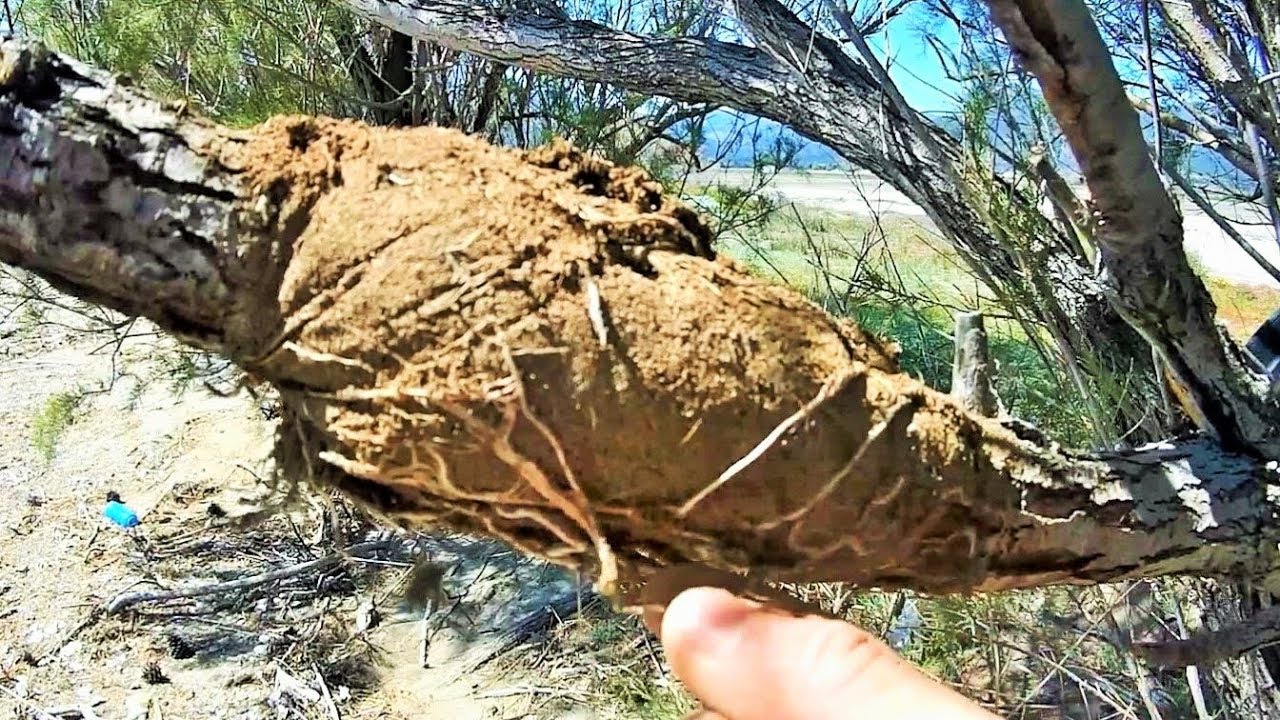
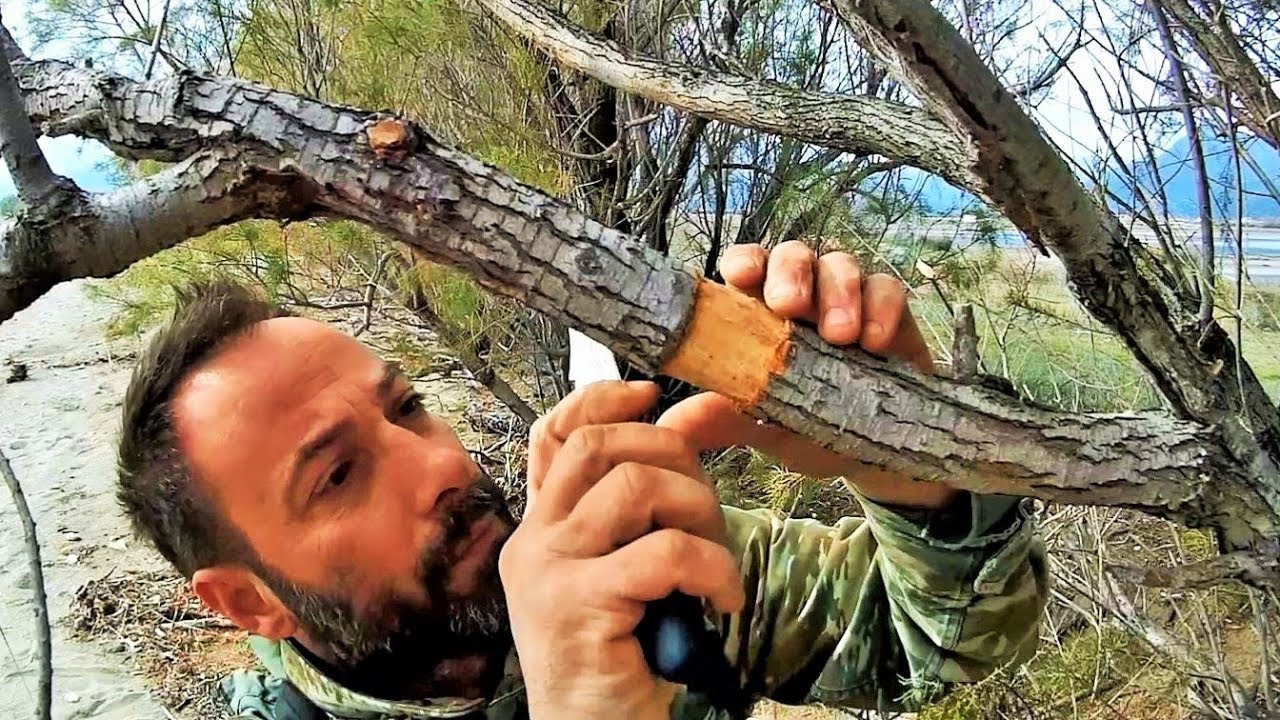
How To Collect Material For Bonsai: Collecting Tamarix Air Layering After 10 Weeks! Vol. 2

Автор: Mediterranean Bonsai

Загружено: 2019-04-01

Просмотров: 16740

Описание: In episode 14 of Mediterranean Bonsai we are going on the beach and we collect air layer of a Tamarix branch that we did 10 weeks ago (Tamarix hampeana) for bonsai!

Check Out Here The Playlist of The Tamarix Bonsai:    • How To Collect Material For Bonsai: The Ta...  

SUPPORT MEDITERRANEAN BONSAI ON PATREON:
  / mediterraneanbonsai  

FOLLOW US ON FACEBOOK:   / mediterranean-bonsai-2191968524425062  

Please Subscribe & Share To Support Our Channel !!!

The genus Tamarix ( tamarisk , salt cedar ) is composed of about 50–60 species of flowering plants in the family Tamaricaceae, native to drier areas of Europe, Asia and Africa. The generic name originated in Latin and may refer to the Tamaris River in Hispania Tarraconensis in Spain.

They are evergreen or deciduous shrubs or trees growing to 1–18 m in height and forming dense thickets. The largest, Tamarix aphylla, is an evergreen tree that can grow to 18 m tall. They usually grow on saline soils, tolerating up to 15,000 ppm soluble salt and can also tolerate alkaline conditions.

Tamarisks are characterized by slender branches and grey-green foliage. The bark of young branches is smooth and reddish brown. As the plants age, the bark becomes bluish-purple, ridged and furrowed.

The leaves are scale-like, almost like that of junipers, 1–2 mm long, and overlap each other along the stem. They are often encrusted with salt secretions.

The pink to white flowers appear in dense masses on 5–10 cm long spikes at branch tips from March to September, though some species (e.g., T. aphylla) tend to flower during the winter.

Tamarix can spread both vegetatively, by adventitious roots or submerged stems, and sexually, by seeds. Each flower can produce thousands of tiny (1 mm diameter) seeds that are contained in a small capsule usually adorned with a tuft of hair that aids in wind dispersal. Seeds can also be dispersed by water. Seedlings require extended periods of soil saturation for establishment. Tamarisk trees are most often propagated by cuttings.

Tamarix species are fire-adapted, and have long tap roots that allow them to intercept deep water tables and exploit natural water resources. They are able to limit competition from other plants by taking up salt from deep ground water, accumulating it in their foliage, and from there depositing it in the surface soil where it builds up concentrations temporarily detrimental to some plants. The salt is washed away during heavy rains.


Camera: SJCAM - SJ5000 Action Camera

Не удается загрузить Youtube-плеер. Проверьте блокировку Youtube в вашей сети.
Повторяем попытку...
How To Collect Material For Bonsai: Collecting Tamarix Air Layering After 10 Weeks! Vol. 2

Поделиться в:

Доступные форматы для скачивания:

Скачать видео

  • Информация по загрузке:

Скачать аудио

Похожие видео

Air Layering Olive Tree for Bonsai in the Forest!

Air Layering Olive Tree for Bonsai in the Forest!

How To Collect Material For Bonsai: Air Layering Tamarix (Tamarix hampeana) Vol. 1

How To Collect Material For Bonsai: Air Layering Tamarix (Tamarix hampeana) Vol. 1

Boschetto BONSAI...costa pochissimo ed è facile, facile !!

Boschetto BONSAI...costa pochissimo ed è facile, facile !!

How to Sculpt a Bonsai Tree from a Chaotic Shrub

How to Sculpt a Bonsai Tree from a Chaotic Shrub

Gestione talee e alberi raccolti | La lunga via del bonsai

Gestione talee e alberi raccolti | La lunga via del bonsai

How To Collect Material For Bonsai: The Olive Tree Yamadori (Olea sylvestris) 1st Styling

How To Collect Material For Bonsai: The Olive Tree Yamadori (Olea sylvestris) 1st Styling

Shaping a Tamarisk Bonsai Into a Weeping Style

Shaping a Tamarisk Bonsai Into a Weeping Style

Pine Tree Υamadori Hunting Vol. 12 - Bonsai Inspiration From Nature Deep in The Forest

Pine Tree Υamadori Hunting Vol. 12 - Bonsai Inspiration From Nature Deep in The Forest

Blackthorn pre-bonsai (clump style and yamadori)

Blackthorn pre-bonsai (clump style and yamadori)

salida de yamadori MORERA

salida de yamadori MORERA

Air Layering Beech For Bonsai And Did It Work

Air Layering Beech For Bonsai And Did It Work

How To Collect Material For Bonsai: Bonsai Soil

How To Collect Material For Bonsai: Bonsai Soil

From Bush to BeautyCupressus Sempervirens

From Bush to BeautyCupressus Sempervirens

Bonsai Cupressus #1, Stage#1, How to make bonsai.

Bonsai Cupressus #1, Stage#1, How to make bonsai.

how to collecting bonsai tree specimen from the wild forest woods hills ( yamadori )

how to collecting bonsai tree specimen from the wild forest woods hills ( yamadori )

[YAMADORI/山採りDIARY #01] - Collecting bonsai from nature

[YAMADORI/山採りDIARY #01] - Collecting bonsai from nature

How to grow tamarisk from cutting in sand #tamarisk#jhao

How to grow tamarisk from cutting in sand #tamarisk#jhao

ЯМАДОРИ - Сосны из дикой природы

ЯМАДОРИ - Сосны из дикой природы

How To Collect Material For Bonsai: The Pine Tree Yamadori (Pinus brutia) Ep. 1

How To Collect Material For Bonsai: The Pine Tree Yamadori (Pinus brutia) Ep. 1

1st Repotting Very Old Wild Olive Tree Bonsai - Amazing Nebari

1st Repotting Very Old Wild Olive Tree Bonsai - Amazing Nebari

© 2025 ycliper. Все права защищены.


  • Контакты
  • О нас
  • Политика конфиденциальности


Контакты для правообладателей: [email protected]