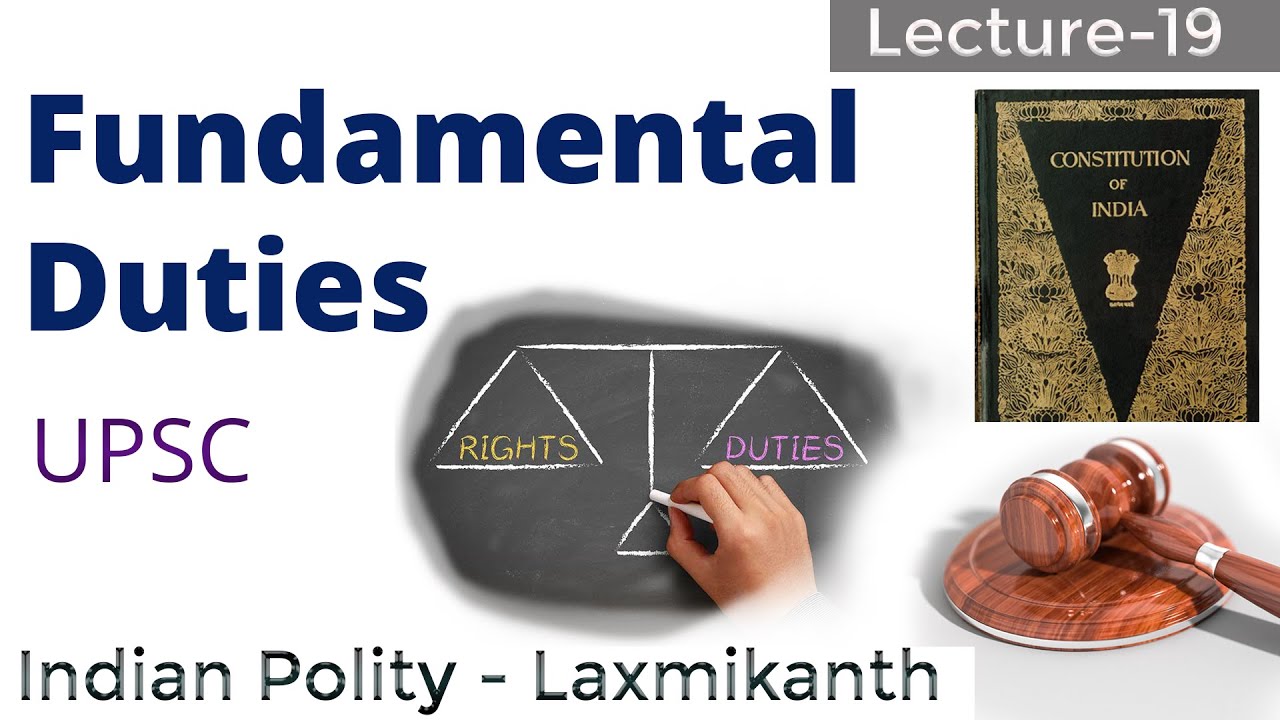
Fundamental Duties: Article 51A of the Indian Constitution | Polity Lecture 19
Автор: Study Glows
Загружено: 2020-03-28
Просмотров: 25327
Описание:
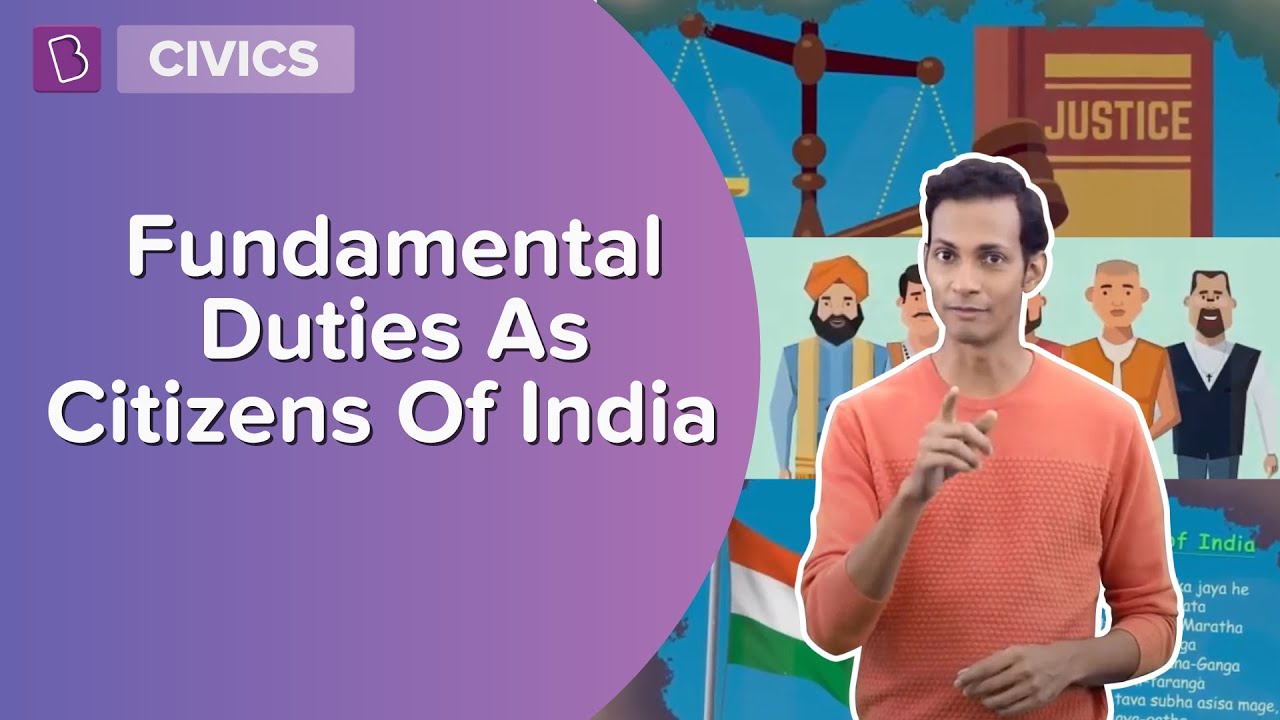
In this video, I have discussed Fundamental Duties: Article 51A of the Indian Constitution; Indian Polity Laxmikanth Lecture 19.
Three important parts of the Indian Constitution are Fundamental Rights, Directive Principles of State Policy and Fundamental Duties.
The Constitution of the USSR, which was first adopted in the year 1924. It was re-adopted in the year 1936 and was popularly known as the ‘Stalin Constitution, ’ which had provisions for Fundamental Duties. Presently, the USSR runs on the Constitution of 1993 in which Fundamental Duties are discussed under Chapter X (Art. 130-133).
In India, Fundamental Duties (Part IV A) were introduced by the Swaran Singh Committee through the 42nd Amendment Act.
Article 51A - Fundamental Duties — It shall be the duty of every citizen of India-
(a) to abide by the Constitution and respect its ideals and institutions, the National Flag and the National Anthem;
(b) to cherish and follow the noble ideals which inspired our national struggle for freedom;
(c) to uphold and protect the sovereignty, unity, and integrity of India;
(d) to defend the country and render national service when called upon to do so;
(e) to promote harmony and the spirit of universal brotherhood amongst all the people of India transcending religious, linguistic and regional or sectional diversities; to renounce practices derogatory to the dignity of women;
(f) to value and preserve the rich heritage of our composite culture;
(g) to protect and improve the natural environment including forests, lakes, rivers, and wildlife, and to have compassion for living creatures;
(h) to develop the scientific temper, humanism and the spirit of inquiry and reform;
(i) to safeguard public property and to abjure violence;
(j) to strive towards excellence in all spheres of individual and collective activity so that the nation constantly rises to higher levels of endeavor and achievement;
(k) who is a parent or guardian to provide opportunities for education to his child or, as the case may be, ward between the age of six and fourteen years.
Understanding the chapter on Fundamental Duty is very important for every UPSC Student. Its an important topic for UPSC Preparation. (Indian Polity Laxmikanth).
I hope this video helps you - Kindly Subscribe to my Channel, So that you Stay Updated with all the UPSC Topics, and Current Affairs.
--------------------------------------------------
For pdf, click on the link: https://t.me/study_glows/397
Telegram link: https://t.me/study_glows
Follow Siddhant Agnihotri on Facebook:
/ siddhant.agnihotri.121
Follow Rashi Singhal on Facebook:
/ urmi.singhal
Rashi Singhal Study Glows:
/ rashi-singhal-study-glows-574385636372783
Sid_E Connect:
/ sid_e-connect-686107645100756
--------------------------------------------------
#Polity #UPSC #IAS
Повторяем попытку...
Доступные форматы для скачивания:
Скачать видео
-
Информация по загрузке: