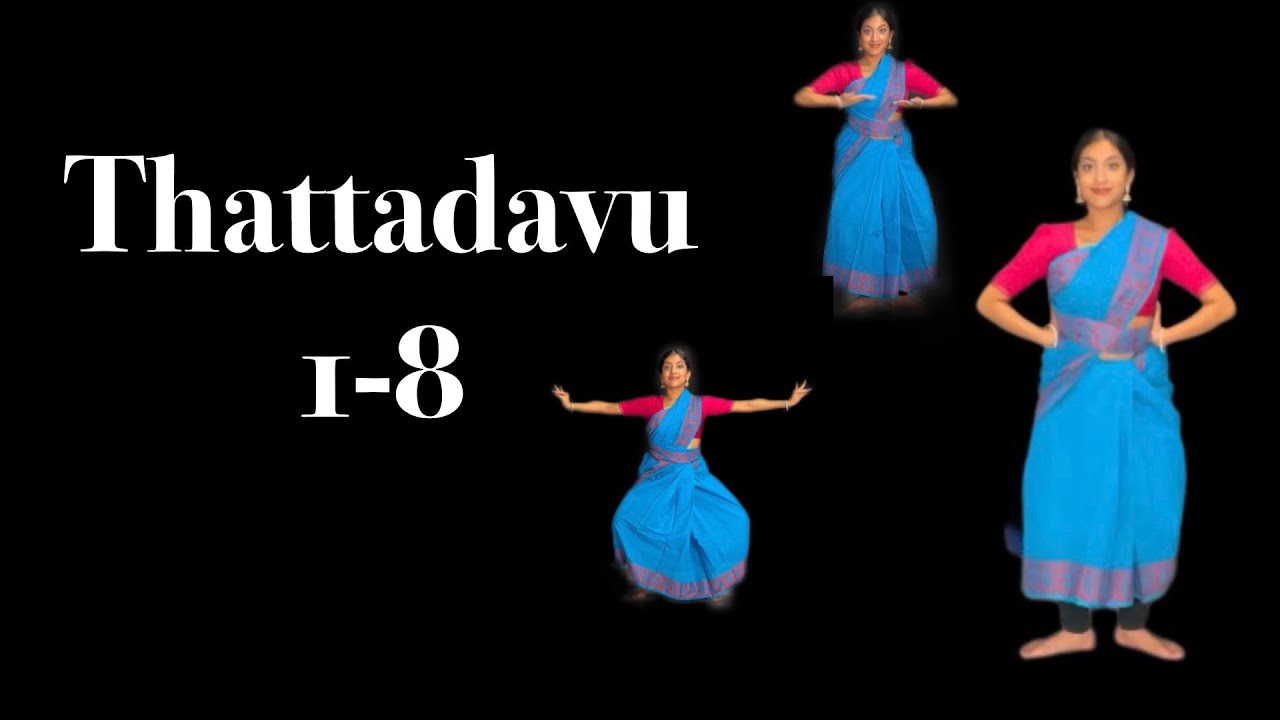
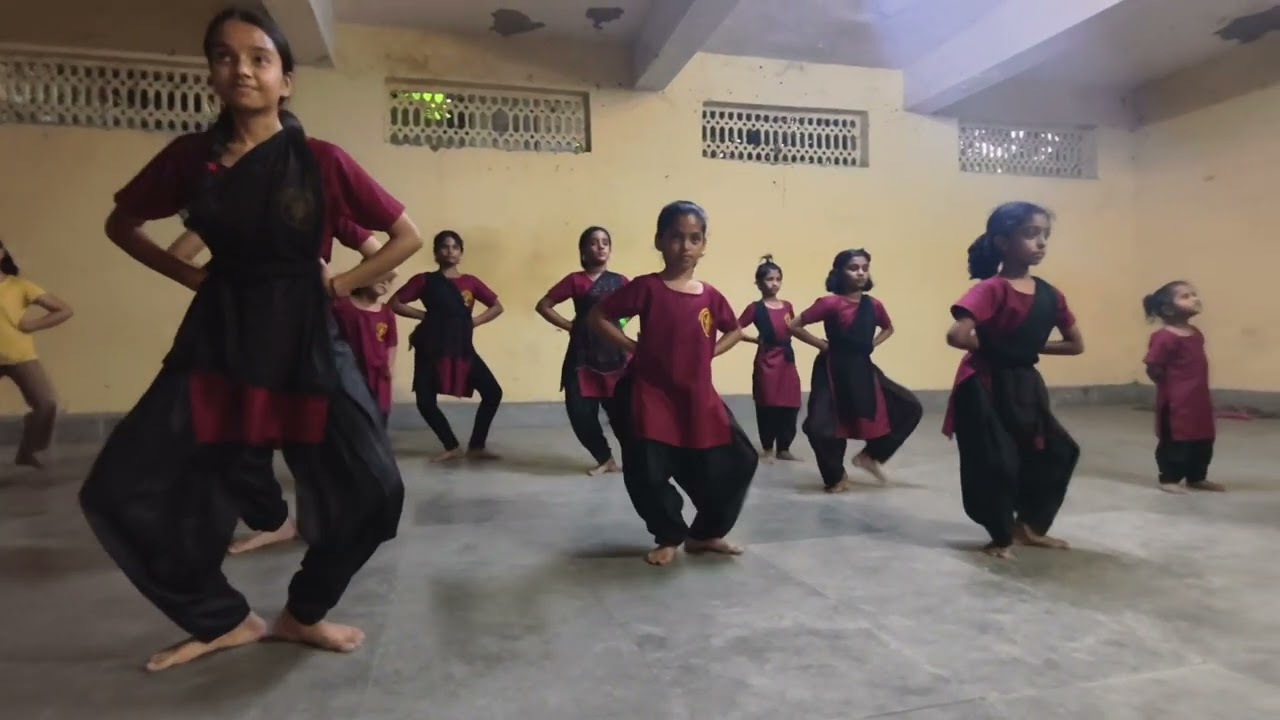
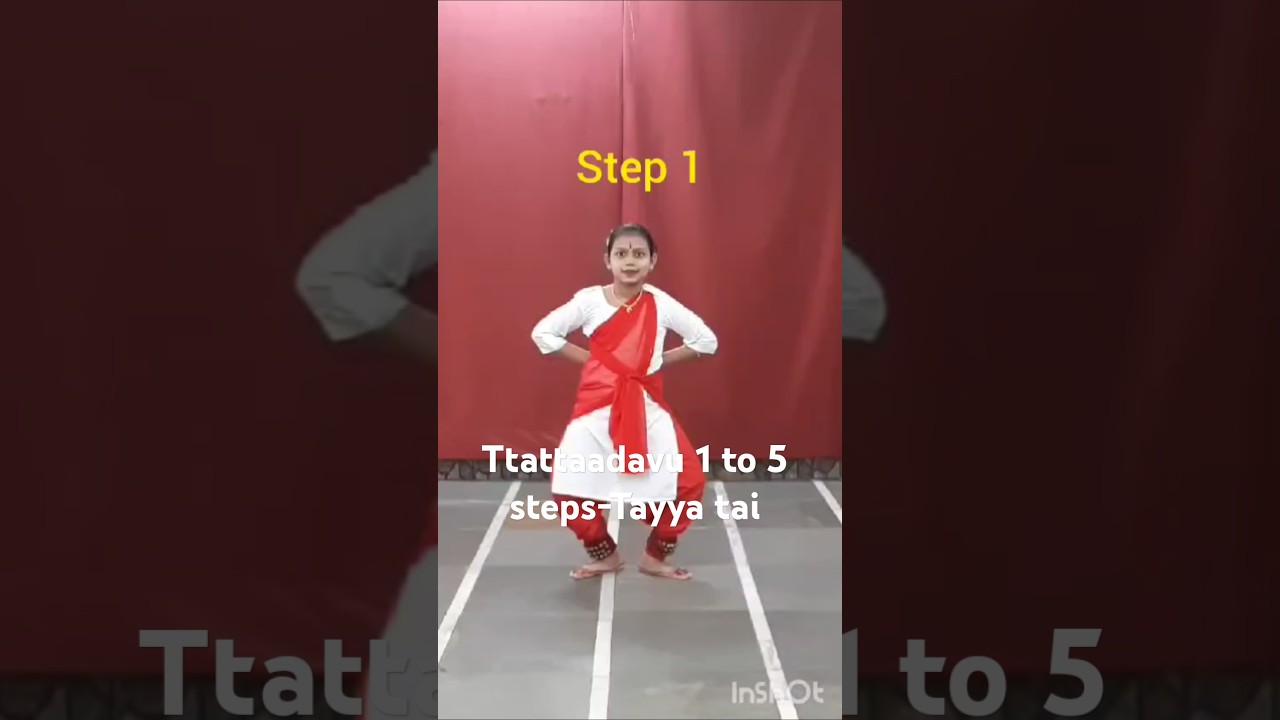
Thattadavu 8
Автор: Winmeen Natyalaya
Загружено: 2025-08-12
Просмотров: 57323
Описание:
Thattadavu 8 with hand movements
In Bharatanatyam (and other Indian classical dance forms), Thattadavu is one of the most basic and foundational adavus (movement sequences).
Here’s the breakdown and importance, especially regarding hand movements:
---
What is Thattadavu?
"That" = stamping/tapping the feet
"Adavu" = a basic unit of coordinated movement combining footwork, hand positions (mudras), and rhythmic patterns.
In Thattadavu, the emphasis is on stamping the foot in sync with the tala (rhythm) while maintaining correct body posture.
---
Importance of Hand Movements in Thattadavu
Although the focus is on the feet, the hands are not idle. The hand positions (usually Mudras like Pataka or Tripataka) are crucial because:
1. Posture & Balance
Hands act as balancing aids to stabilize the upper body while the feet stamp the floor.
They ensure the dancer’s body weight is evenly distributed.
2. Aesthetic Lines
Hands frame the body and create clean, symmetrical lines.
Without proper hand positioning, the adavu looks incomplete and loses grace.
3. Coordination Training
Beginner dancers learn to coordinate foot rhythm with hand gestures—a skill essential for complex dance sequences later.
4. Expression Foundation
Even in basic Thattadavu, hasta mudras introduce the dancer to Abhinaya (expression) possibilities.
Hands enhance storytelling, even if minimal at this stage.
5. Discipline & Uniformity
Learning to keep the hand positions steady and aligned during stamping teaches precision and discipline, which is vital in Bharatanatyam.
---
Common Hand Positions in Thattadavu
Pataka (flat palm) – the most common, held at the sides or slightly forward.
Tripataka or Ardhapataka – occasionally used for variation.
Placement: Hands are usually held slightly away from the body, elbows softly bent, maintaining the Natyarambha
Повторяем попытку...
Доступные форматы для скачивания:
Скачать видео
-
Информация по загрузке: