Unexpected First Impression of Manila, Philippines 🇵🇭
Автор: Passport Please!
Загружено: 2026-01-31
Просмотров: 5835
Описание:
This video captures my first impression of Manila, Philippines, during my first days in the country — from visa problems and culture shock to history, food, climate, and unforgettable hospitality.
My journey to the Philippines already became complicated before I even left Vietnam. At the airport, while trying to check in for my flight to Manila, I was denied boarding. The reason was my visa situation: my return ticket was booked six weeks later, but the Philippines visa on arrival is only valid for 30 days. Because of that, I had to book an onward flight out of the Philippines immediately, right at the check-in counter, within the next four weeks. Only after showing proof of an onward ticket was I finally allowed to board the plane.
It was stressful, expensive, and unnecessary — and completely my fault. A strong reminder to always check visa and entry requirements carefully when traveling.
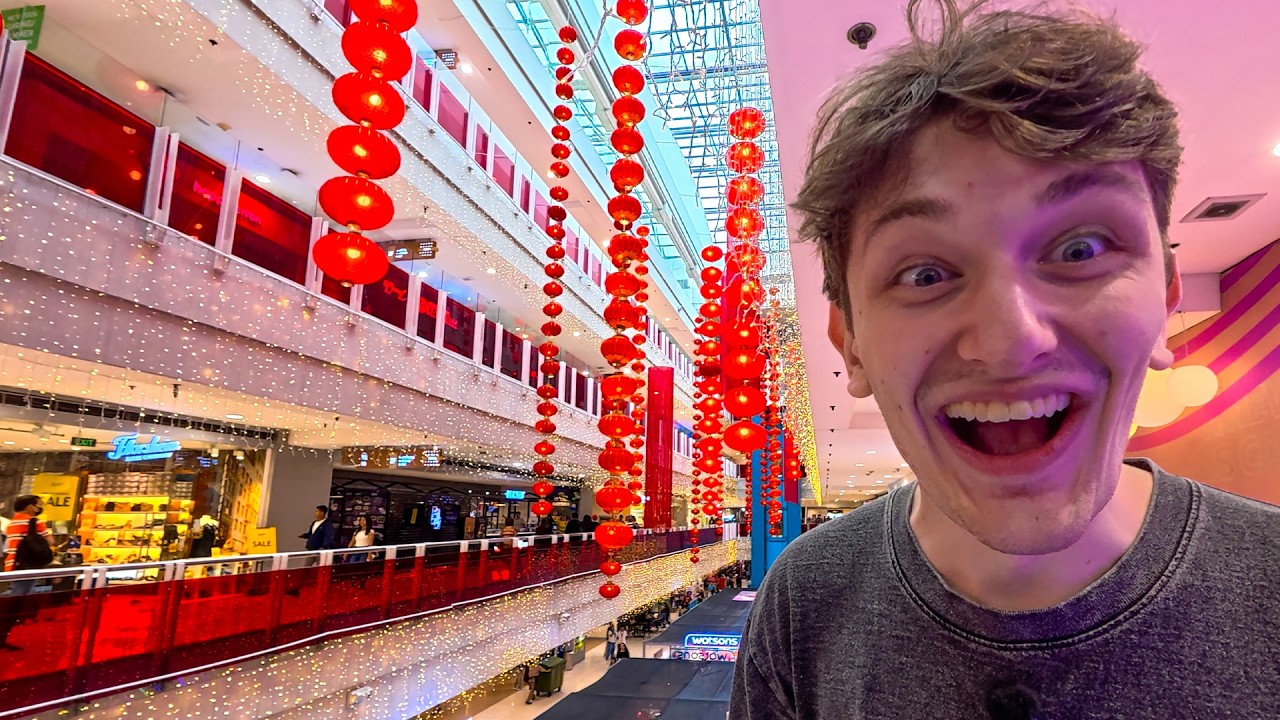
After this rough start, I boarded the flight and arrived in Manila, the capital of the Philippines, one of the largest, busiest, and most chaotic cities in Southeast Asia. Manila is overwhelming, intense, noisy, fascinating, and full of contrast — modern skyscrapers next to historical ruins, luxury malls beside street food stalls, and heavy traffic mixed with warm smiles.
On my first full day, I visited Fort Santiago, one of the most important historical landmarks in the Philippines. Fort Santiago is located inside Intramuros, the old walled city of Manila built during the Spanish colonial era. Walking through Fort Santiago feels like stepping deep into Philippine history.
Together with my friend, who is Filipino and originally from Manila, I learned a lot about the country’s past. She explained the Spanish occupation, which lasted for more than 300 years, shaping Philippine culture, religion, and architecture. She also spoke about World War II, when Manila was heavily damaged during the Japanese occupation. Large parts of the city were destroyed, and Fort Santiago played a major role during this dark chapter of history.
Fort Santiago is not just a tourist attraction — it’s a place of remembrance, resistance, and survival. You really feel the weight of history while walking through its walls. Visiting Fort Santiago helped me understand Manila and the Philippines on a much deeper level than just sightseeing.
After the stress of almost missing my flight, the second big shock hit me hard:
the weather. Manila is extremely hot and humid, especially around midday. The heat was intense and almost unbearable at first. The tropical climate, combined with concrete, traffic, and crowds, makes the city feel exhausting. It took me several days to slowly adapt to the Philippine heat and humidity.
After hours walking through Intramuros and Fort Santiago, I took an Uber back home to cool down, shower, and recover. Later that day, I went back out — this time to Makati, one of Manila’s most modern and popular districts.
Makati is known as the financial and business center of Manila, filled with skyscrapers, international offices, shopping malls, cafés, and restaurants. It’s also one of the best areas to stay in Manila, especially for first-time visitors, because it’s safe, well connected, and has great food options. Other excellent areas to stay include Bonifacio Global City (BGC), which is modern, clean, and walkable, Ortigas Center, and Manila Bay, famous for its sunsets and waterfront views.
In Makati, I visited a small local Filipino restaurant and ordered Beef Tapa, one of the most classic Filipino dishes. Beef Tapa consists of marinated fried beef, served with steamed rice and a fried egg. It’s a very popular breakfast dish in the Philippines, but it’s great at any time of day. The beef was incredibly tender, flavorful, and perfectly seasoned. Combined with the rice and egg, it was simple, comforting, and absolutely delicious.
The Filipino food culture impressed me a lot. It’s honest, hearty, and shaped by many influences — Spanish, Asian, and local traditions. Food in the Philippines is often shared, emotional, and deeply connected to family and hospitality.
The restaurant owner was extremely friendly and welcoming. He sat down with me and shared stories about Manila, daily life in the Philippines, and local traditions. After I finished my meal, he surprised me with a free dessert: sweet fried plantain bananas covered in batter. They were crispy, very sweet, and incredibly tasty.
As if that wasn’t enough, he brought me another fruit afterward — one that reminded me of durian, but without the strong smell. Instead, it had a sweet-and-sour flavor and tasted amazing. I had never eaten anything like it before, and this moment perfectly reflected Filipino hospitality: generous, friendly, and warm.
Повторяем попытку...

Доступные форматы для скачивания:
Скачать видео
-
Информация по загрузке: