Most Interesting Facts About Rose-Breasted Grosbeak? | Interesting Facts | The Beast World
Автор: The Beast World
Загружено: 2024-12-15
Просмотров: 131
Описание:
What Are the Most Interesting Facts About Rose-Breasted Grosbeak? | Interesting Facts | The Beast World
Here are some fascinating facts about the Rose-Breasted Grosbeak:
Scientific Name: The Rose-Breasted Grosbeak is scientifically known as Pheucticus ludovicianus.
Family: It belongs to the cardinal family, Cardinalidae.
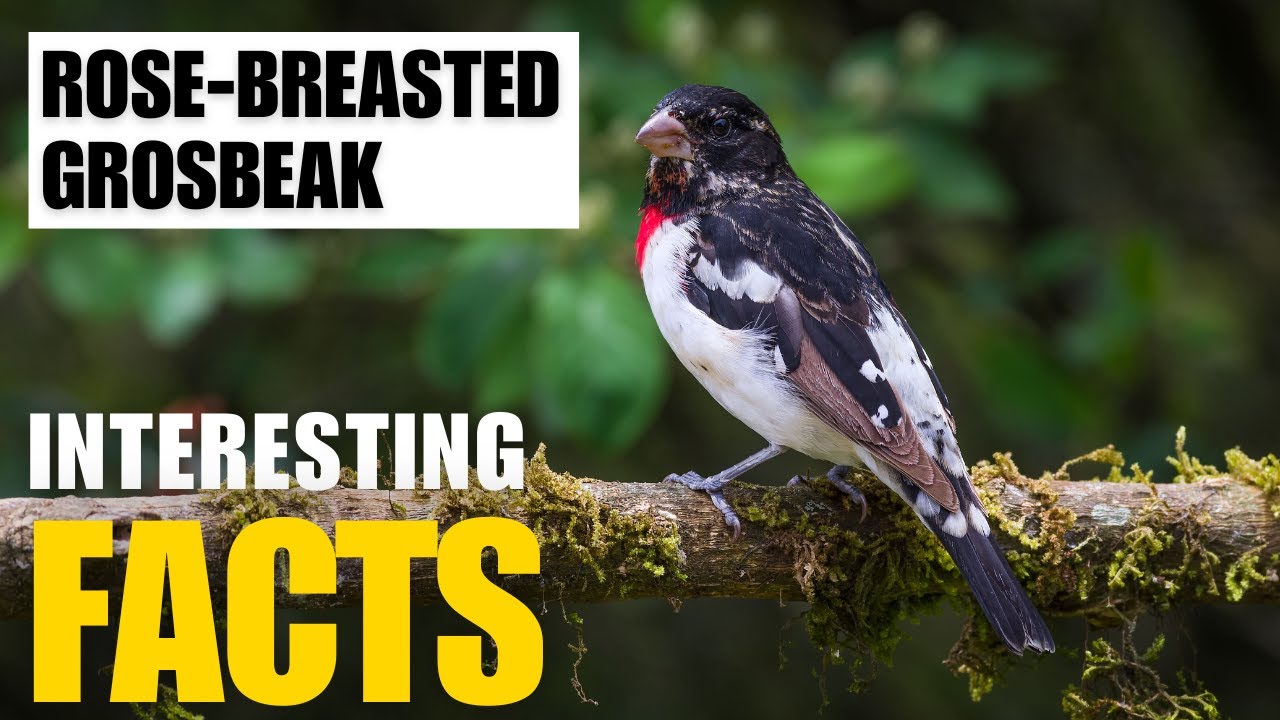
Distinctive Plumage: Males have striking black and white feathers with a vivid rose-colored patch on their chest.
Female Appearance: Females are brown and streaky, resembling sparrows, for better camouflage.
Breeding Range: They breed across North America, from Canada to the northern United States.
Migration: These birds are long-distance migrants, wintering in Central and South America.
Vocalization: Their melodious song resembles a robin’s but is richer and sweeter.
Duetting Pairs: Males and females often sing together, especially during breeding season.
Diet: They are omnivorous, feeding on insects, fruits, and seeds.
Beak Strength: Their large, conical beak is designed for cracking hard seeds.
Favorite Food: Sunflower seeds and berries like elderberries are their preferred treats.
Insect Control: They play an important role in ecosystems by eating destructive insects like caterpillars.
Nesting Habits: Rose-Breasted Grosbeaks build cup-shaped nests in trees or shrubs.
Egg Count: Females lay 3-5 pale blue-green eggs, often speckled with brown.
Parental Duties: Both parents share responsibilities for incubation and feeding chicks.
Chick Development: Hatchlings fledge within 9-12 days after hatching.
Lifespan: They typically live up to 7 years in the wild.
Coloration in Juveniles: Young males resemble females until their second year when they gain their striking adult plumage.
Territorial Behavior: Males defend territories with songs and occasional displays.
Courtship Rituals: Males perform singing and wing-fluttering displays to attract mates.
Flight Pattern: They have a strong, direct flight with occasional undulations.
Habitat Preference: They are commonly found in deciduous and mixed forests, as well as orchards and gardens.
Adaptability: Rose-Breasted Grosbeaks are increasingly seen in suburban areas with bird feeders.
Popular at Feeders: They frequently visit feeders stocked with sunflower seeds, safflower seeds, or peanuts.
Predators: Common predators include hawks, owls, snakes, and domestic cats.
Camouflaged Nests: Their nests are well-hidden to avoid predators.
Brood Parasitism: Occasionally, cowbirds lay eggs in their nests, leaving them to raise the impostor chicks.
Unique Call: Their call is a sharp “chink” sound, often likened to the squeak of a sneaker.
Weight: They weigh around 1.2–1.6 ounces (35–45 grams).
Length: Their body length ranges from 7–8 inches (18–21 cm).
Wingspan: Their wingspan measures approximately 11–13 inches (28–33 cm).
Eye-catching Markings: Males have white wing bars that make them easy to identify in flight.
Winter Plumage: Males’ rose-colored chest patch becomes slightly duller during winter months.
Migration Challenges: They face threats like habitat loss and window collisions during migration.
Conservation Status: They are listed as a species of Least Concern by the IUCN, though populations are declining in some areas.
Symbol of Love: The male’s vibrant colors have earned the species a reputation as a symbol of love and devotion.
Famous Relatives: Their close relatives include the Black-Headed Grosbeak and Blue Grosbeak.
Hybrids: Rare hybrids occur when they interbreed with Black-Headed Grosbeaks in overlapping territories.
Flight Altitude: They often migrate at high altitudes, using wind currents for efficiency.
Breeding Behavior: They prefer to nest in low to medium-height trees like maples or hawthorns.
Sociable Birds: During migration, they often travel in mixed-species flocks.
Molting Period: They molt once a year, usually after the breeding season.
Historic Names: Early ornithologists referred to them as “Cut-throats” due to their chest markings.
Fossil Evidence: Fossil records of related species date back to the Miocene Epoch.
Name Origin: “Grosbeak” derives from the French gros bec, meaning “large beak.”
#amazingfacts
#interestingfacts
#animals
#rosebreastedgrosbeak
#rosebreasted
#birds
#bird
Повторяем попытку...
Доступные форматы для скачивания:
Скачать видео
-
Информация по загрузке:


![Petting Wild Birds [May-14-2023]](https://image.4k-video.ru/id-video/-dJ-Ff6ApR0)


