Why Japan Warned America About the Midway Trap
Автор: Tales of Valor-Podcast
Загружено: 2025-10-11
Просмотров: 92705
Описание:
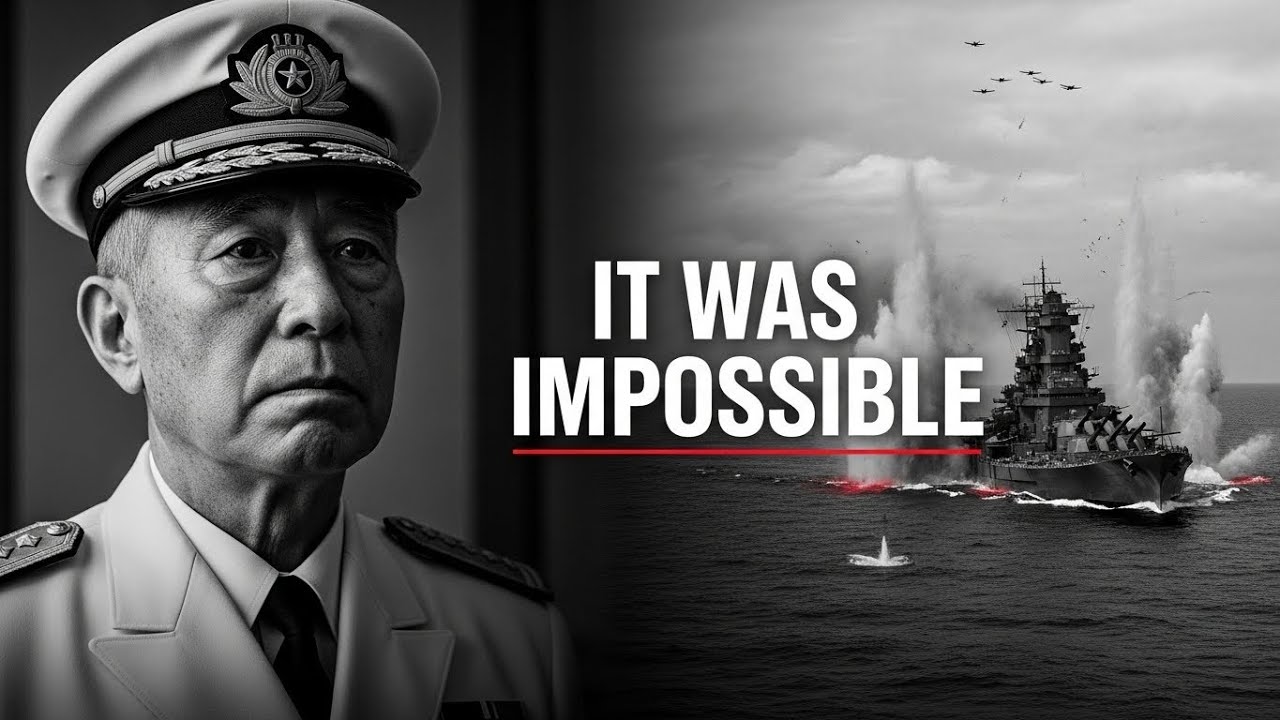
June 4th, 1942, 10:30 AM. Aboard the super-battleship Yamato, 300 miles behind his carrier force, Admiral Isoroku Yamamoto receives a message that stops his heart: "Akagi, Kaga, and Soryu hit by dive bombers. Heavy fires."
In five minutes, three of Japan's finest carriers are burning wrecks. In his cabin that night, Yamamoto faces a bitter truth: he'd warned this would happen. He'd studied in America. He understood their industrial power. He'd questioned the Midway plan—too complex, codes likely broken, Americans underestimated. But "victory disease" infected Japanese planning. His warnings were dismissed as excessive caution. Now, watching the battle reports, Yamamoto realizes he was right about everything. The Americans had broken the codes. They were waiting. The plan's flaws were . And Japan's six-month window to win the war had just slammed shut. But being right brings no satisfaction. Only the agony of watching thousands die in a disaster he'd predicted but couldn't prevent.
This is the parallel story to those of Admiral Canaris, who warned about American industrial capacity and was ignored. Albert Speer, who knew Germany couldn't win a production war. Adolf Galland, who recognized American air superiority and was called a defeatist. All competent men who saw strategic reality clearly and were trapped in systems where truth was subordinate to ideology.
Yamamoto understood that Japan could "run wild for six months," then would face industrial might they couldn't match. Midway happened almost exactly six months after Pearl Harbor. He was right. But by the time his superiors realized he was right, it was far too late.
Yamamoto's Harvard education and understanding of American industry
Why the Midway operation's assumptions were fatally flawed
The war games that predicted the disaster (and were ignored)
Why Yamamoto was 300 miles away when his carriers burned
"Victory disease" and its role in Japanese planning
The cover-up that prevented Japan from learning the right lessons
Production comparison: US vs. Japan aircraft manufacturing
📚 Historical Sources: Based on Yamamoto's personal correspondence, Combined Fleet operational records, post-war interrogations of Japanese naval officers, and authoritative histories by Parshall, Tully, Agawa, and others.
⚠️ Historical Note: This narrative emphasizes Yamamoto's documented concerns about American industrial capacity and his known reservations about aspects of the Midway plan. While the extent of his specific opposition versus general caution is debated by historians, his understanding of American industrial might and his prediction about the "six months" window are well-documented historical facts.
"Disclaimer: This video was created for educational and historical purposes only. The content is based on extensive research and reliable historical sources, with the goal of providing an objective and detailed analysis of events from World War II.
All creative, research, and editing aspects of this video were carried out by a human. The footage and editing were performed using professional software like Final Cut Pro to ensure high production quality. We do not intend to glorify or promote , hatred, or any extremist ideologies. Our aim is to honor the memory of the victims and to learn from the events of the past so as not to repeat them. Any graphic or visual representation serves only to contextualize and illustrate historical events, respecting the factual truth and without any sensationalist intent.
We fully respect and adhere to YouTube's monetization guidelines and community principles, ensuring a safe and constructive learning environment for all viewers.
#talesofvalor #podcast #ww2
Повторяем попытку...

Доступные форматы для скачивания:
Скачать видео
-
Информация по загрузке: