The History of Apple
Автор: Seeking History
Загружено: 2025-07-15
Просмотров: 96
Описание:
Founded in a California garage in 1976, the history of Apple Inc. is a dramatic three-act story of revolutionary innovation, a near-fatal collapse, and one of the most remarkable corporate comebacks in history. It began with the complementary visions of its co-founders: Steve Wozniak, the brilliant engineer who could design elegant and efficient circuits, and Steve Jobs, the visionary marketer who understood how to package technology and make it desirable for the masses. While their first product, the Apple I, was a humble kit for hobbyists, it was the Apple II, launched in 1977, that defined the company. As one of the first fully assembled personal computers aimed at the general public, its success transformed Apple from a garage startup into a major player in the burgeoning PC industry.
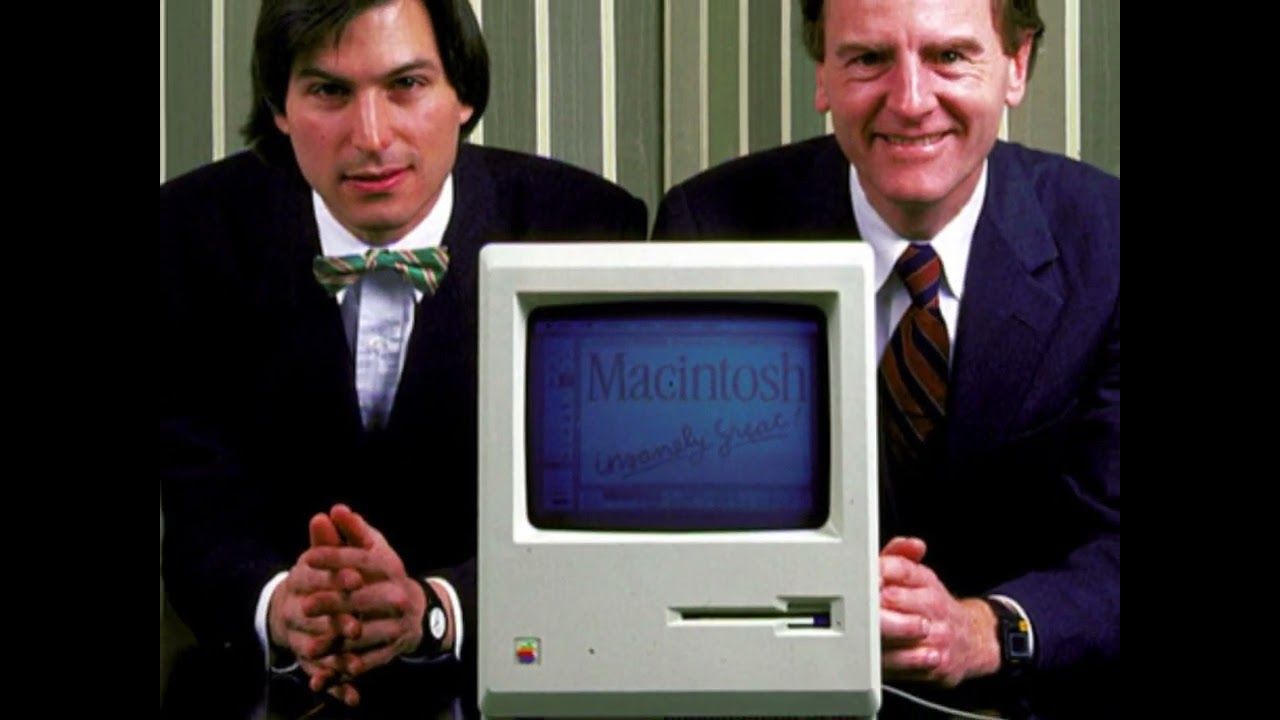
The second act began in 1984 with the launch of the Macintosh. This was a watershed moment for computing, introducing the world to the graphical user interface (GUI) and the mouse. Promoted with a now-legendary Super Bowl ad that positioned Apple as a rebellious force against a dystopian, conformist future, the Macintosh promised to make computing intuitive and accessible to everyone. However, its high price and Jobs’s demanding leadership style created internal friction. A boardroom power struggle with CEO John Sculley resulted in Jobs’s ouster in 1985, marking the beginning of Apple’s long decline. Through the late 1980s and early 1990s, the company became rudderless. It produced a confusing and bloated product line, losing its innovative edge as Microsoft's Windows operating system came to dominate the market. By 1997, Apple was hemorrhaging money and widely considered to be on the brink of bankruptcy.
The third act, Apple's spectacular renaissance, began with the return of its visionary founder. In a stunning reversal, Apple acquired Jobs’s new company, NeXT, and he returned as interim CEO. His impact was immediate and ruthless. He slashed the product line to just four core products, secured a critical $150 million investment from rival Microsoft, and re-energized the brand with the "Think Different" advertising campaign. The true turning point came in 1998 with the unveiling of the iMac G3. Its vibrant, all-in-one design was a radical departure from the beige boxes of the era and became a massive commercial success, saving the company from ruin and signaling the return of design-led innovation.
This set the stage for a decade of unparalleled creation that would redefine entire industries. Following his "digital hub" strategy, Jobs led the development of the iPod in 2001, which revolutionized portable music. This was followed by the iTunes Store in 2003, which legitimized digital music sales. Then, in 2007, he introduced the iPhone, a device that merged a phone, an iPod, and an internet communicator. It fundamentally changed mobile technology, communication, and culture itself, especially with the launch of the App Store a year later. The iPad in 2010 further solidified Apple's dominance in a new category of personal computing.
Following the passing of Steve Jobs in 2011, Tim Cook took the helm. The Cook era has been defined by masterful operational efficiency and the expansion of the Apple ecosystem. While iterating on the phenomenally successful iPhone, Apple launched a major new hardware category with the Apple Watch and aggressively grew its high-margin Services division, including Apple Music, iCloud, and Apple Pay. This strategy transformed Apple from a hardware company into one of the most valuable and influential corporations in the world, its brand synonymous with quality, design, and a seamlessly integrated user experience.
Повторяем попытку...
Доступные форматы для скачивания:
Скачать видео
-
Информация по загрузке: