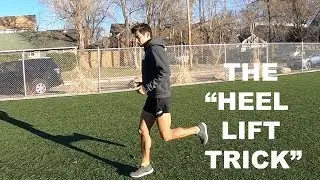
How to land when running!
Автор: Chari Hawkins
Загружено: 2025-05-16
Просмотров: 977518
Описание:
You've hit on a crucial aspect of efficient and injury-free running! How your foot lands with each stride significantly impacts the forces on your body. Here's a breakdown of how to land effectively when running:
Understanding Foot Strike
There are three main ways your foot can strike the ground:
Heel Strike: The heel hits the ground first, followed by the rest of the foot rolling forward. This is the most common landing pattern, especially for recreational runners. However, it can generate higher impact forces that travel up your legs.
Midfoot Strike: The middle part of your foot lands first, distributing the impact more evenly. Many experts consider this an efficient and less injury-prone landing.
Forefoot Strike: The ball of your foot lands first, with the heel coming down afterward. This is common among sprinters and can enhance forward momentum, but it puts more stress on the ankles and calves and isn't generally recommended for long-distance running.
The Generally Recommended Approach: Aim for a Midfoot Strike
While individual biomechanics and preferences vary, many experts suggest that a midfoot strike is often the most beneficial for most runners. Here's why and how to achieve it:
How to Land with a Midfoot Strike:
Focus on Landing Under Your Hips: Instead of reaching your foot far out in front of your body (overstriding), aim for your foot to land beneath your center of mass. This minimizes braking forces.
Maintain a Slight Forward Lean: A slight lean forward from your ankles (not your waist) can help facilitate a midfoot landing and aid forward momentum. Imagine a straight line from your head to your hips, slightly angled forward.
Lift Your Knees Appropriately: Focus on lifting your knees rather than reaching with your feet. This encourages a shorter stride and helps your foot land in a more balanced position.
Keep Your Feet Low to the Ground: Avoid excessive up-and-down bouncing. Aim for a lower, more efficient stride.
Increase Your Cadence (Steps Per Minute): A higher cadence (around 170-185 steps per minute) naturally encourages a shorter stride and often leads to a midfoot strike. Think of taking quicker, lighter steps.
Land Softly: Try to minimize the sound of your foot striking the ground. A loud impact often indicates higher forces.
Practice Barefoot Running (Carefully and Gradually): Running barefoot on soft surfaces like grass for short periods can help your body naturally find a more efficient midfoot strike. Start with very short intervals (e.g., 30 seconds) and gradually increase the duration.
Incorporate Running Drills: Drills like high knees, butt kicks, skipping, and ladder drills can help improve your footwork and encourage a midfoot landing.
Important Considerations:
Don't Force It: If you're a natural heel striker and aren't experiencing pain or injuries, a drastic change in your foot strike can lead to new problems. Gradual adjustments are key.
Listen to Your Body: Pay attention to how your body feels. If you experience pain when trying to change your landing, ease off and consult with a running coach or physical therapist.
Footwear Matters: Ensure your running shoes provide adequate cushioning and support for your foot type and landing style.
Focus on Overall Form: Foot strike is just one part of good running form. Pay attention to your posture, arm swing, and cadence as well.
In summary, while there's no single "perfect" way to land, aiming for a midfoot strike with your foot landing beneath your hips is often recommended for efficient running and injury prevention. Focus on gradual changes, listen to your body, and consider incorporating drills and barefoot running (in moderation) to help refine your landing.
Повторяем попытку...

Доступные форматы для скачивания:
Скачать видео
-
Информация по загрузке: