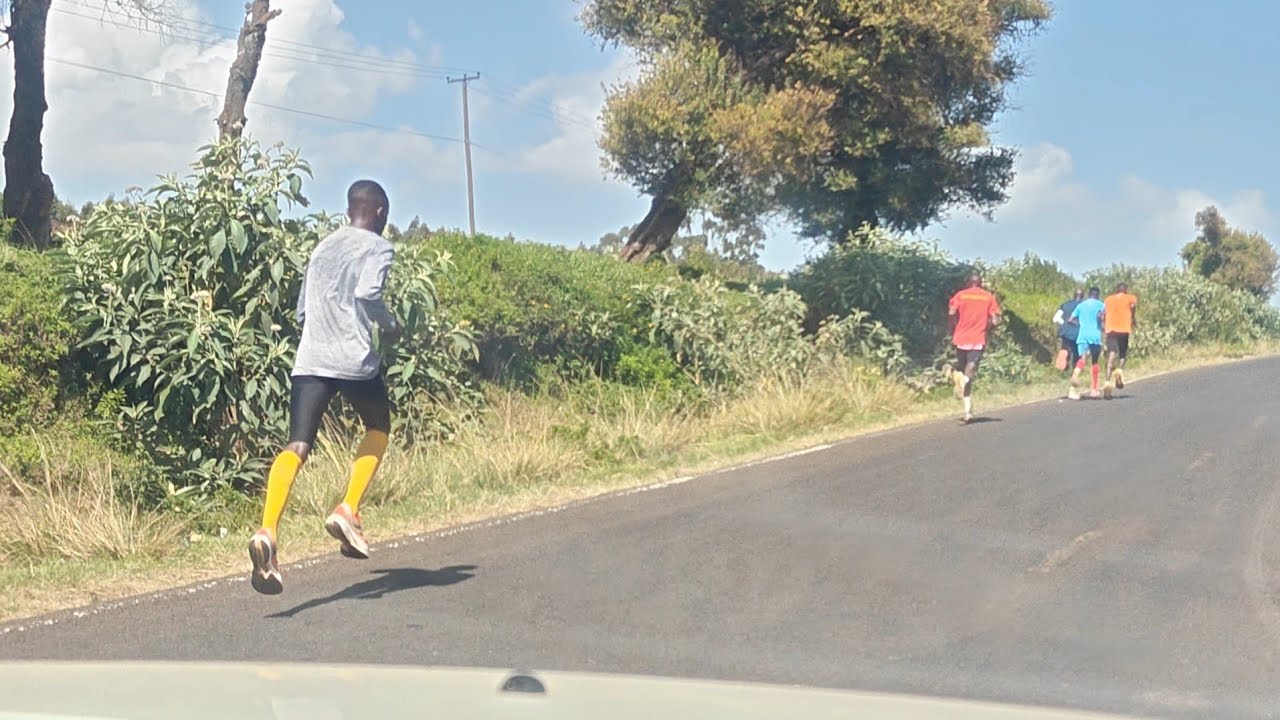
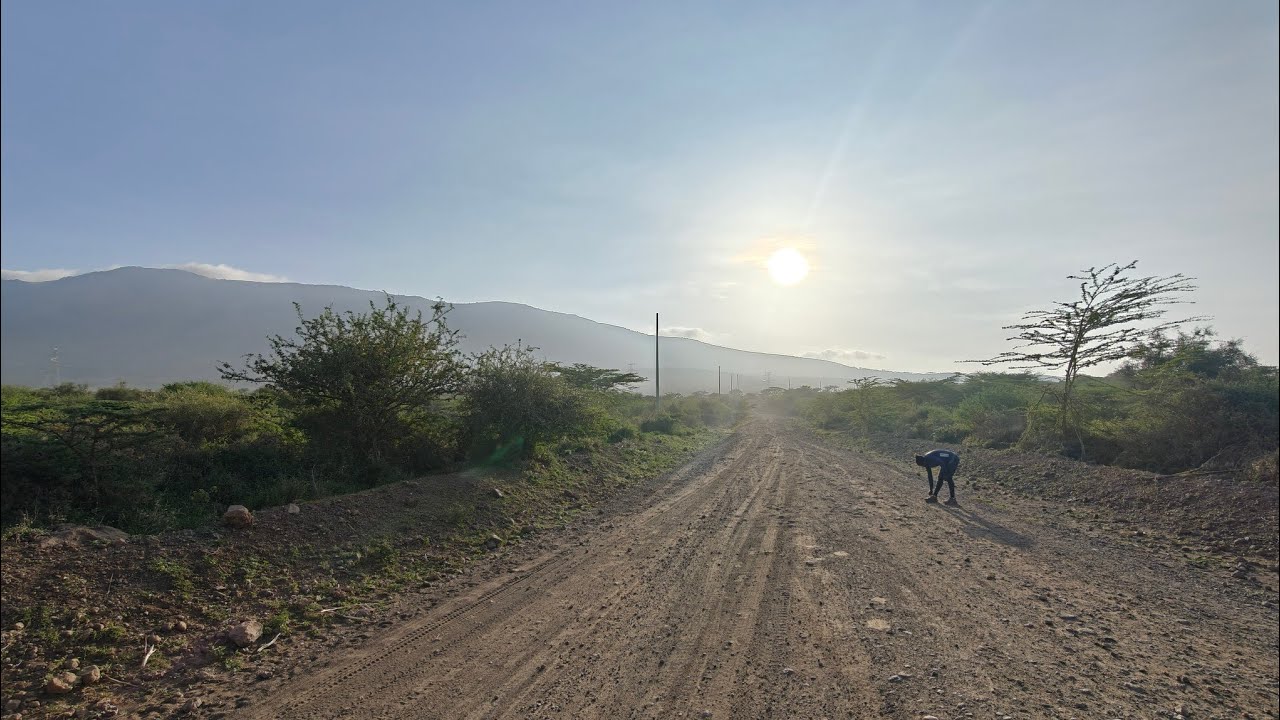
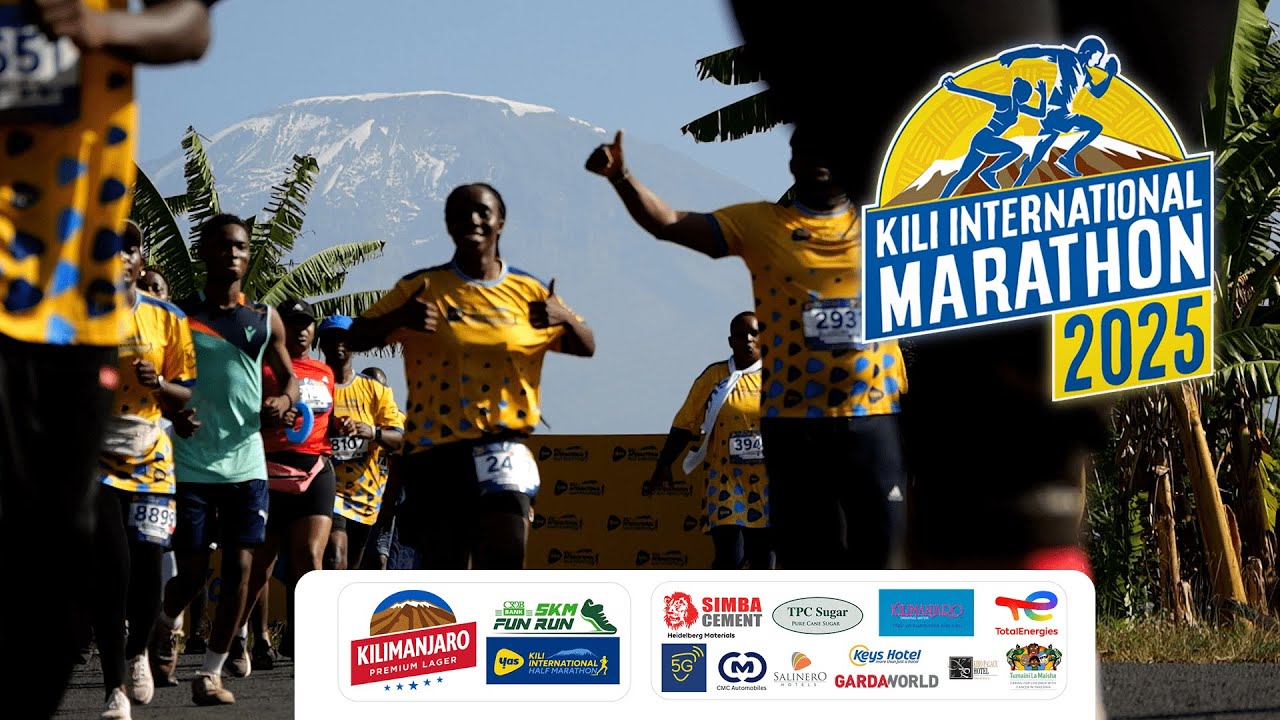
Mua Hills: Kilimanjaro Marathon full simulation (Four weeks to Race day)
Автор: TiZi Athletics
Загружено: 2026-02-22
Просмотров: 263
Описание:
Why a Full Kilimanjaro Marathon Simulation 4 Weeks Prior Matters
1. Course-Specific Conditioning (Elevation Adaptation)
The simulation included:
600m elevation gain (higher than Kilimanjaro’s ~550m)
600m descent
Altitude range: 1600–2100m
This is important because the Mount Kilimanjaro marathon course constantly stresses:
Climbing strength
Downhill eccentric muscle control
Aerobic efficiency on rolling terrain
Training on greater elevation than race day creates a performance buffer, making the actual race feel more manageable.
2. Altitude Advantage (Train High, Race Lower)
Simulation altitude: 1600–2100m
Race altitude: 800–1500m
Training at higher altitude improves:
Oxygen utilization efficiency
Aerobic endurance
Fatigue resistance
On race day, the slightly lower altitude allows faster pace execution.
3. Pace Benchmarking Against Race Standards
Simulation time: 2:30
Average winning time: ~2:20
Being only ~10 minutes off winning pace under tougher conditions (higher altitude + more elevation gain) indicates strong race readiness.
This helps:
Confirm pacing strategy
Identify final speed adjustments
Build confidence
4. Downhill Conditioning (Injury Prevention)
The equal descent (600m) prepares:
Quadriceps strength
Knee stability
Muscle resilience against late-race fatigue
Downhill fatigue is one of the biggest performance limiters in hilly marathons.
5. Perfect Timing – The 4-Week Window
Four weeks out is ideal because:
Fitness peaks are already built
There is enough time to recover
The athlete transitions into taper phase with real race data
This simulation becomes the reference session for race execution.
Повторяем попытку...

Доступные форматы для скачивания:
Скачать видео
-
Информация по загрузке: