Huntingtons disease biochemistry, genetic diseases & mutation types
Автор: the bumbling biochemist
Загружено: 2022-12-18
Просмотров: 756
Описание:
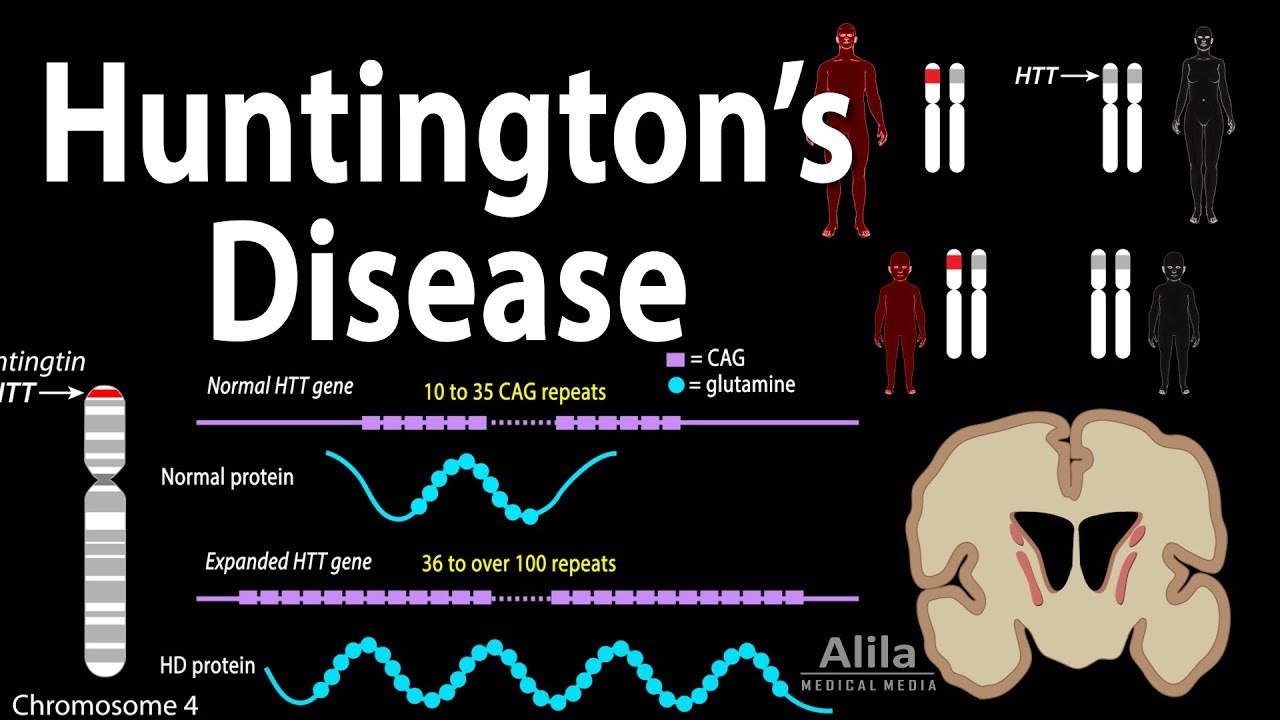
Glutamine, Huntington’s disease, genetic diseases & mutation types… Huntington’s disease (HD) is a devastating and ultimately fatal neurodegenerative disease that causes progressive motor, cognitive, and psychological deterioration. It is a rare disease (~30,000 Americans known to be afflicted) but it is more well-known than some other rare diseases for a couple reasons - one is that the folk singer Woody Guthrie suffered from it (leading his wife Marjorie to found what is today the Huntington’s Disease Society of America (HDSA). And another is that it is often taught in biology classes as a key example of autosomal dominant genetic diseases. It also is devastating proof of the power of today’s amino acid, glutamine (Gln, Q) when proteins use it in excess - in HD a “trinucleotide repeat expansion” causes too many Gln’s to be put in the huntingtin protein, leading to toxic protein being made. So today I want to tell you a bit about genetic diseases and mutation types and then more about glutamine in health and disease.
blog form: http://bit.ly/glutaminehd
It’s Day 18 of #20DaysOfAminoAcids - the bumbling biochemist’s version of an advent calendar. Amino acids are the building blocks of proteins. There are 20 (common) genetically-specified ones, each with a generic backbone with to allow for linking up through peptide bonds to form chains (polypeptides) that fold up into functional proteins, as well as unique side chains (aka “R groups” that stick off like charms from a charm bracelet). Each day I’m going to bring you the story of one of these “charms” - what we know about it and how we know about it, where it comes from, where it goes, and outstanding questions nobody knows.
More on amino acids in general here http://bit.ly/aminoacidstoproteins but the basic overview is: amino acids have generic “amino” (NH₃⁺/NH₂) & “carboxyl” (COOH/COO⁻) groups that let them link up together through peptide bonds (N links to C, H₂O lost, and the remaining “residual” parts are called residues). The reason for the “2 options” in parentheses is that these groups’ protonation state (how many protons (H⁺ ) they have) depends on the pH (which is a measure of how many free H⁺ are around to take).
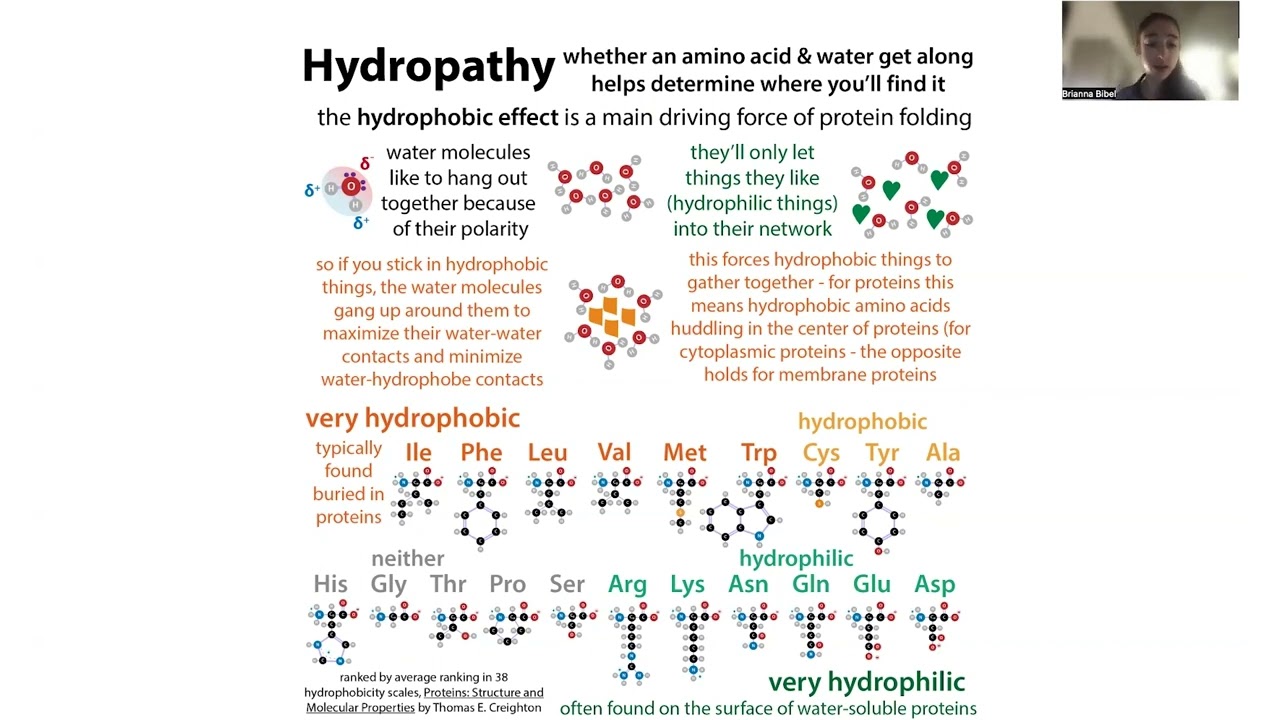
Those generic parts are attached to a central “alpha carbon” (Ca), which is also attached to one of 20 unique side chains (“R groups”) which have different properties (big, small, hydrophilic (water-loving), hydrophobic (water-avoided), etc.) & proteins have different combos of them, so the proteins have different properties. And we can get a better appreciation and understanding of proteins if we look at those letters. So, today let’s look at Glutamine (Gln, Q)!
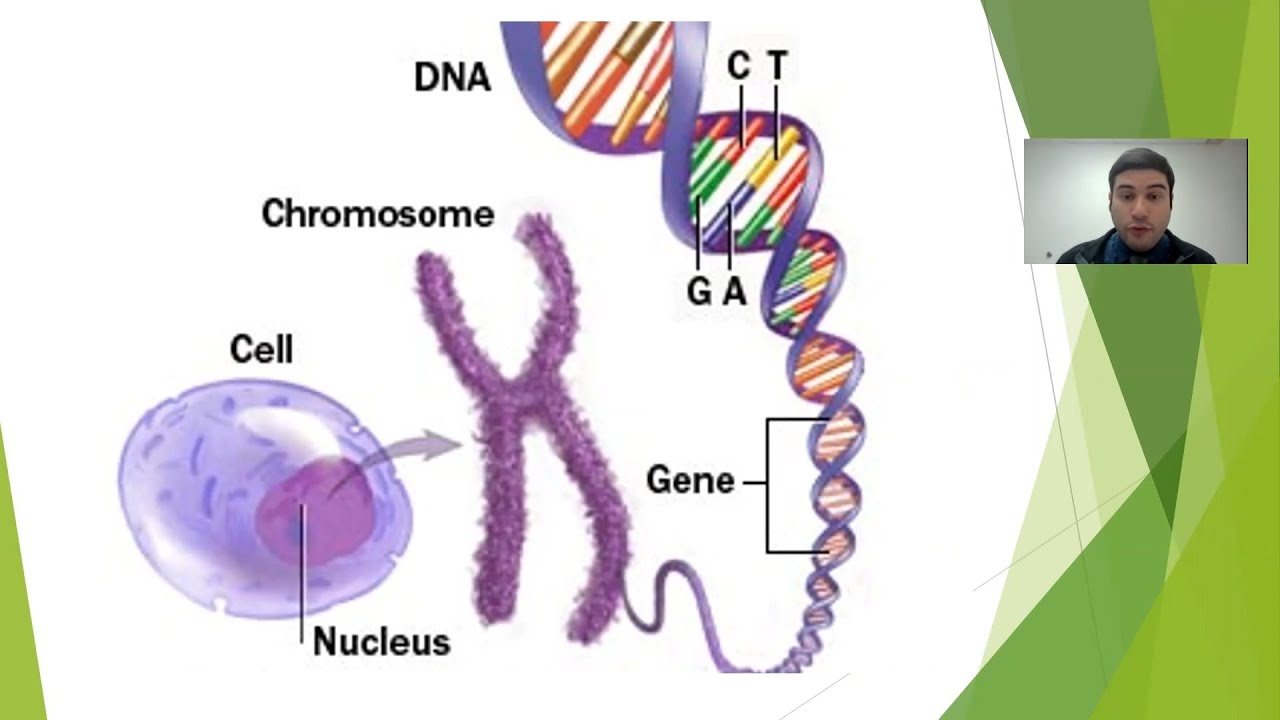
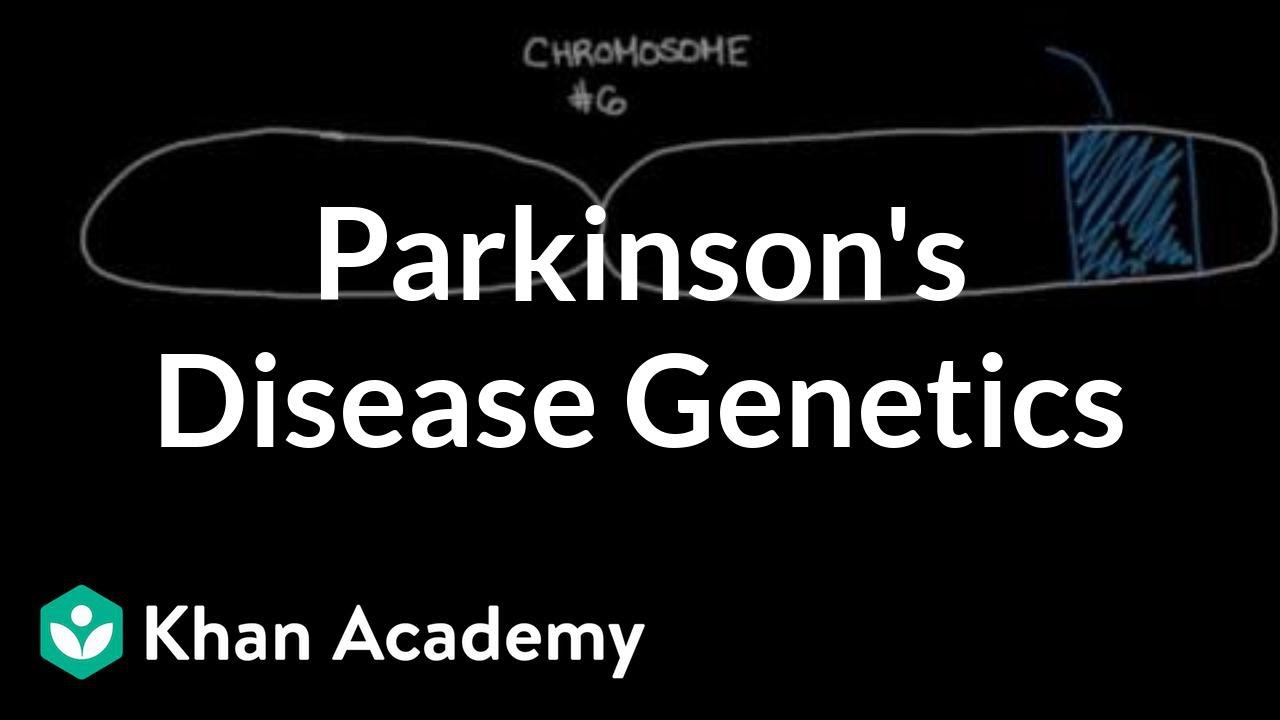
The “recipes” for making proteins (and functional RNAs) are written in stretches of DNA called genes, which are part of much longer strands of DNA called chromosomes (the “cookbooks”). Humans have 23 cookbook volumes, with 2 copies of each volume; 22 “autosomal” chromosomes that you get one copy each of from biological mom & dad; and the sex chromosomes where you get either an X or a Y from dad and an X from mom. So, except for genes on the sex chromosomes, you get 2 copies of each recipe.
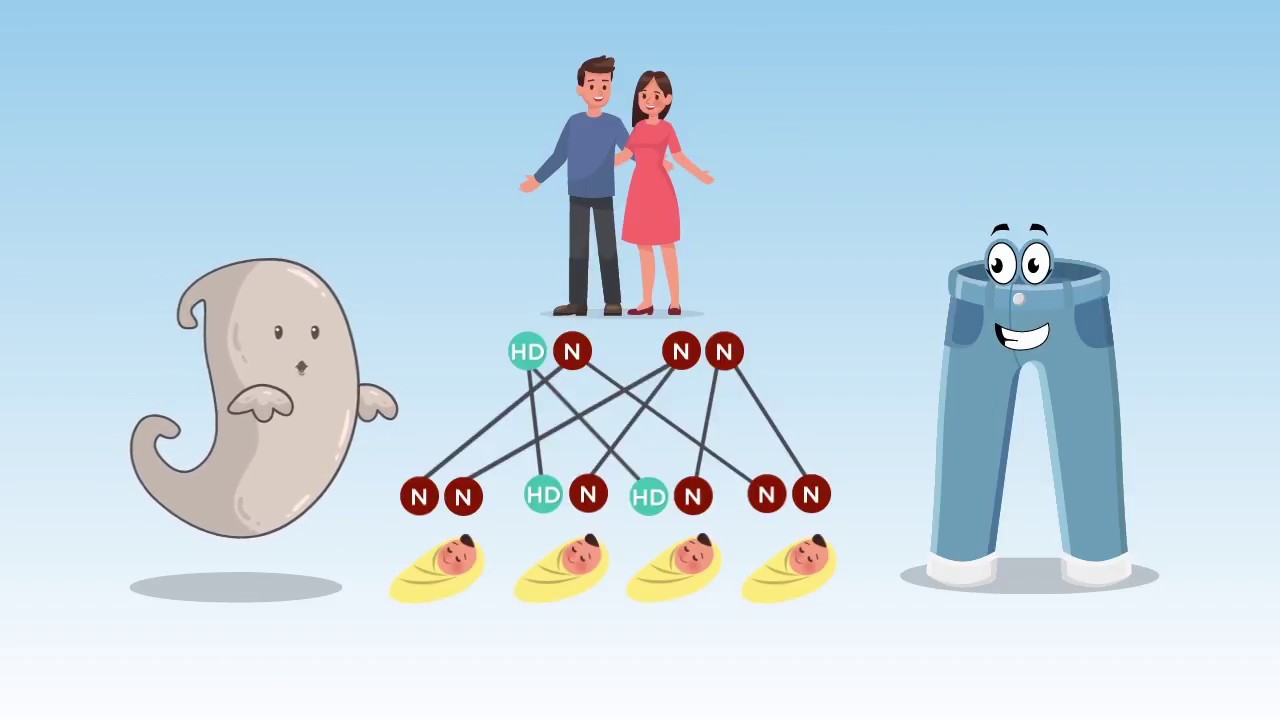
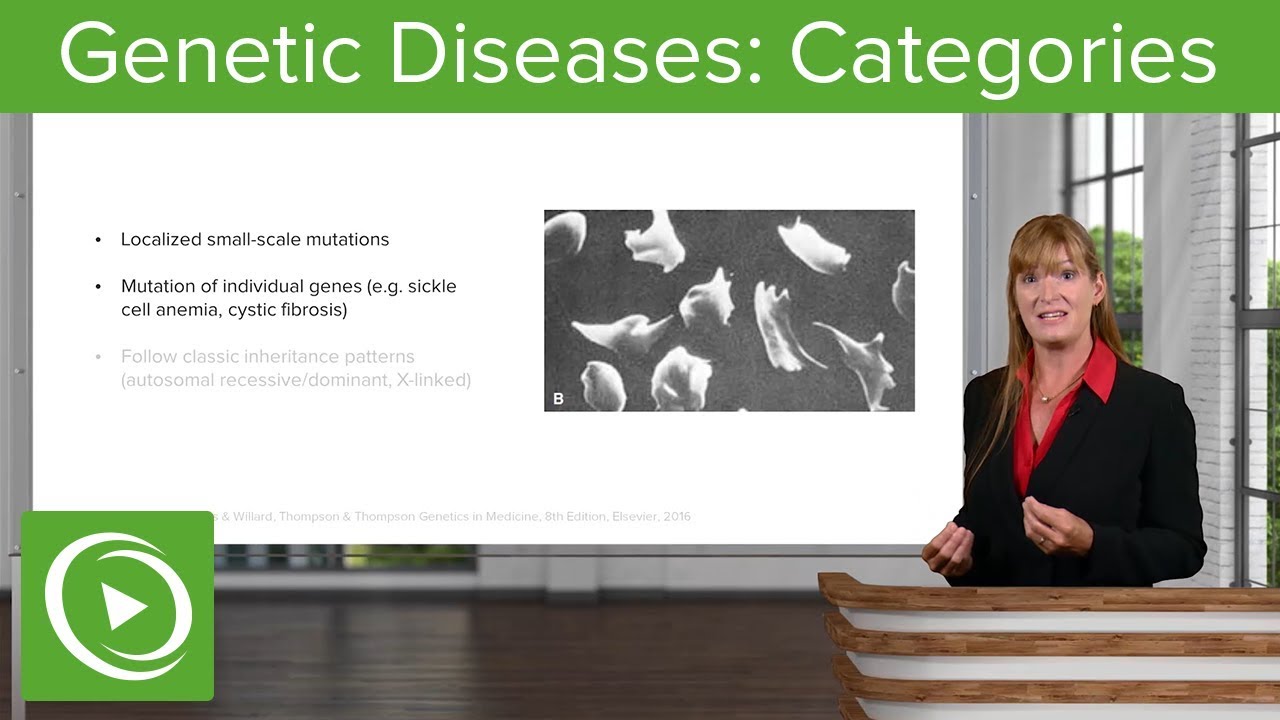
A lot of the time, this means you get 2 chances to get things right - even if there’s a problem with one copy of a gene recipe (one allele) the other one copy is able to compensate, so you don’t notice anything’s amiss (in such cases, we say people with one disease copy & no symptoms are “carriers”). It’s only when your backup fails - i.e. you have 2 faulty copies - that problems arise. We call diseases like this autosomal recessive and a couple classic examples are cystic fibrosis and Tay-Sachs disease. Barring spontaneous mutations, in order for someone to have symptomatic disease, both parents have to at least carry the gene - a carrier has a 50/50 chance of passing down the faulty gene, and a person with the disease can only pass down a faulty gene.
Sometimes, however, one good copy isn’t good enough - when a single copy of a non-sex-chromosome gene causes a disease we call the disease autosomal dominant, and a biological child of an afflicted person has a 50/50 chance of inheriting the disease. A “classic” example of autosomal dominant diseases is Huntington’s disease.
There are a couple of reasons a single faulty copy can cause a disease. One is “haploinsufficiency” - basically the single good copy can’t keep up with demand. And another is a “dominant negative” effect - the bad copy itself is causing problems - it’s not just nonfunctional, it has some “gain of function” that lets it do things it wouldn’t normally do (like bind different proteins, “distracting” them from their own jobs), or it hogs up the things the good copy needs without actually being able to use them. Net result - having a bad backup is worse than not having a backup at all. It is this second reason - the toxic gain of function - that is believed to be mostly behind HD.
finished in comments
Повторяем попытку...
Доступные форматы для скачивания:
Скачать видео
-
Информация по загрузке: