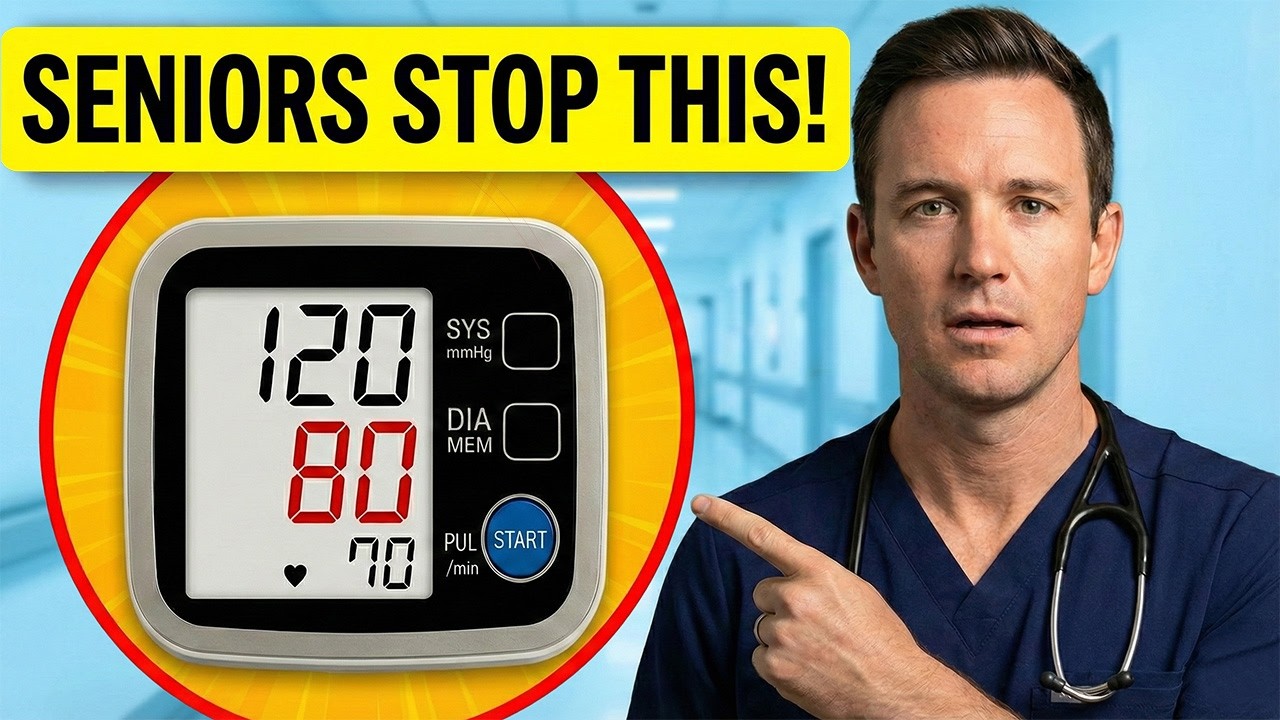
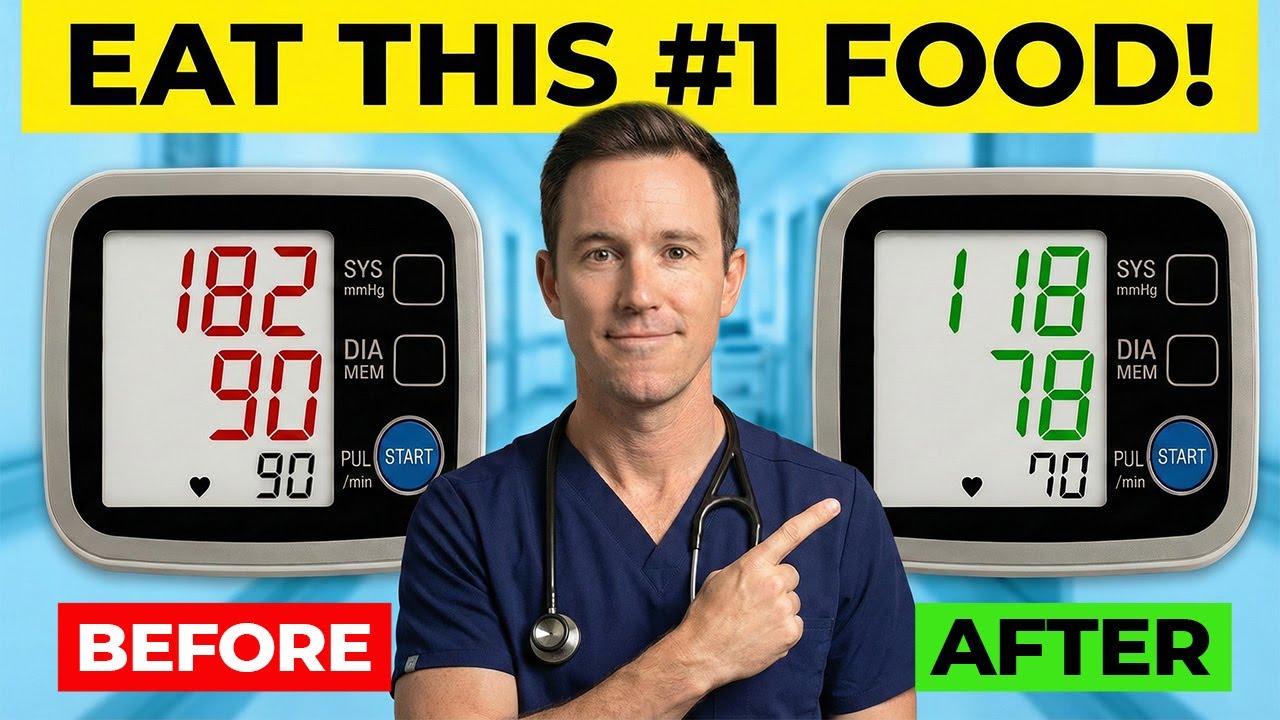
SENIORS, Best Way to Control HIGH BP! | 10 Food & Habits to Maintain Blood Pressure After 60
Автор: Ben Harris Seniors Care
Загружено: 2026-01-31
Просмотров: 11
Описание:
You've been told that controlling high blood pressure after 60 requires endless medications with side effects, but research from the American College of Physicians and studies on older adults prove that combining 10 specific foods and lifestyle habits can lower systolic pressure by 10-20 mmHg—as effectively as blood pressure medications—while improving your overall health, energy, and quality of life.
In this video, we reveal the complete blood pressure control system specifically designed for seniors over 60. You'll discover the exact foods that relax stiff arteries, the daily habits that reset your nervous system, and why lifestyle modifications are considered first-line treatment for older adults—especially when polypharmacy, drug interactions, and side effects are serious concerns.
10 Foods & Habits to Control High Blood Pressure After 60
Food #1: DASH Diet (8-14 mmHg Reduction)
The Dietary Approaches to Stop Hypertension (DASH) diet is the most proven eating pattern for lowering blood pressure in seniors. It emphasizes fruits, vegetables, low-fat dairy, and reduced saturated fat, reducing systolic pressure by 8-14 mmHg. The DASH diet works by increasing potassium, magnesium, and calcium while reducing sodium—a combination that naturally relaxes blood vessels and helps kidneys excrete excess sodium.
Food #2: Leafy Greens (Potassium & Nitrates)
Spinach, kale, Swiss chard, and collard greens provide potassium (which balances sodium) and nitrates (which convert to nitric oxide and dilate blood vessels). One cup of cooked greens daily delivers powerful blood pressure-lowering effects.
Food #3: Berries (Anthocyanin Antioxidants)
Blueberries, strawberries, and raspberries contain anthocyanins that relax arteries and reduce inflammation. Regular berry consumption significantly lowers blood pressure in older adults with hypertension.
Food #4: Beets (Nitric Oxide Boost)
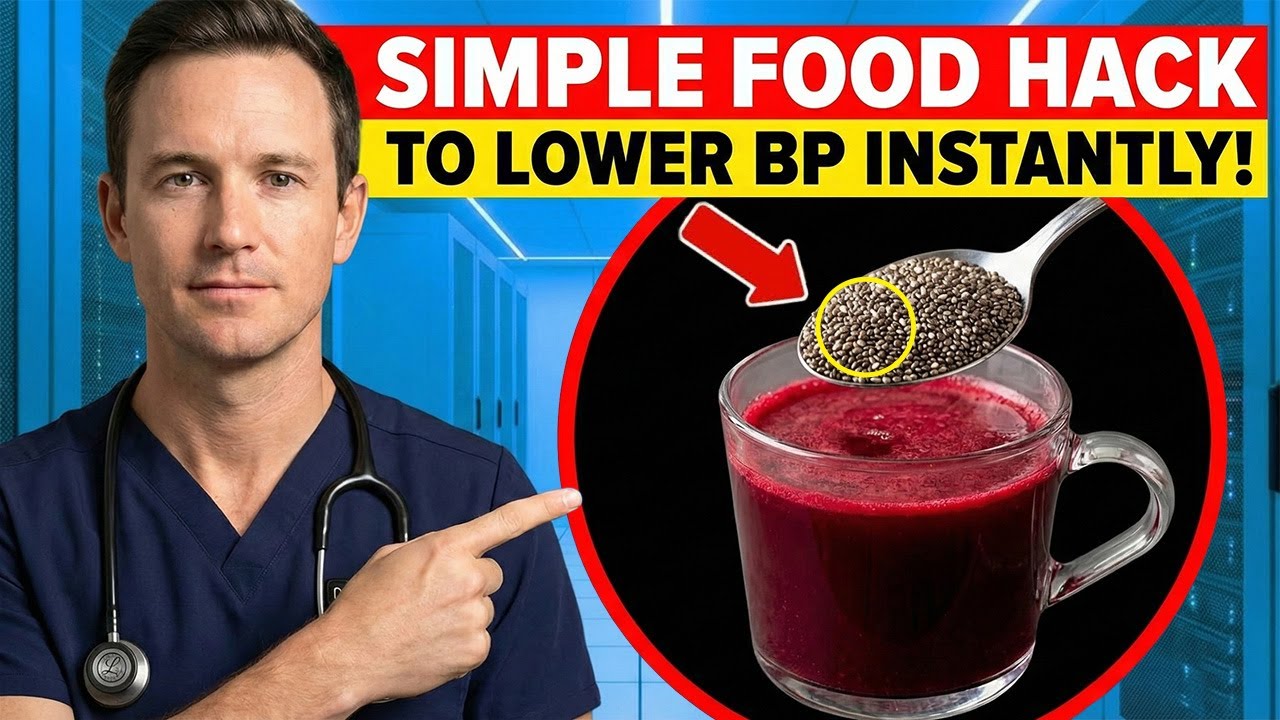
Beets are high in nitrates that convert to nitric oxide, relaxing blood vessels and lowering pressure within hours to days. Eating 1 cup of beets or drinking beetroot juice daily produces measurable blood pressure reductions.
Food #5: Oatmeal (Beta-Glucan Fiber)
Whole grains like oatmeal provide fiber that lowers cholesterol and blood pressure. The beta-glucan in oats absorbs bad cholesterol and normalizes heartbeat.
Habit #1: Reduce Sodium (2-8 mmHg Reduction)
Reduce sodium intake to ≤2,400 mg (ideally 1,500-2,000 mg) per day. Avoid processed foods, canned soups, deli meats, and restaurant meals, which are loaded with hidden sodium.
Habit #2: Weight Loss (5-20 mmHg Reduction)
Maintain normal body weight (BMI 18.5-24.9 kg/m²). Even losing just 10 pounds can reduce systolic blood pressure by 5-20 mmHg.
Habit #3: Physical Activity (4-9 mmHg Reduction)
Engage in ≥30 minutes of aerobic activity (brisk walking, swimming, cycling) most days of the week. Exercise lowers blood pressure by reducing arterial stiffness and improving vascular function.
Habit #4: Limit Alcohol (2-4 mmHg Reduction)
Limit alcohol to ≤2 drinks per day for men and ≤1 drink per day for women. Excessive alcohol raises blood pressure and interferes with medications.
Habit #5: Stress Management & Sleep
Practice deep breathing exercises, meditation, or yoga to activate the parasympathetic nervous system and lower stress hormones. Treat sleep apnea if present—untreated sleep apnea makes blood pressure impossible to control.
When Medications Are Needed
When lifestyle changes aren't enough, first-line medications for seniors include thiazide diuretics, ACE inhibitors, ARBs, and calcium channel blockers. Medications should be started at the lowest dose and titrated gradually based on tolerance and response. Treatment targets for adults over 60 are typically systolic 150 mmHg, though those with stroke history or high cardiovascular risk may target 140 mmHg.
Scientific References
Lifestyle Modifications and Blood Pressure Reduction
Studies show weight loss reduces systolic BP by 5-20 mmHg per 10 kg lost, DASH diet by 8-14 mmHg, sodium reduction by 2-8 mmHg, physical activity by 4-9 mmHg, and alcohol moderation by 2-4 mmHg.
Lifestyle as First-Line Treatment
The ACC/AHA statement suggests lifestyle modifications may be all that's needed for milder hypertension in elderly patients, especially given concerns about polypharmacy and drug interactions.
Medical Disclaimer: The content in this video is for educational purposes only and is not intended to be a substitute for professional medical advice, diagnosis, or treatment. Always seek the advice of your physician regarding your blood pressure and treatment plan. If you have kidney disease, heart failure, diabetes, or are taking blood pressure medications, consult your healthcare provider before making dietary or lifestyle changes. Never discontinue blood pressure medications based solely on lifestyle improvements; all treatment changes must be made in partnership with your healthcare provider with regular monitoring.
Повторяем попытку...
Доступные форматы для скачивания:
Скачать видео
-
Информация по загрузке: