How to control Slugs and Snails in the Kitchen Garden - High Brix ? 🚩 with Kesser and Steen
Автор: Flamme Rouge Nature
Загружено: 2025-04-25
Просмотров: 25
Описание:
High Leaf Brix - Control Slugs and Snails in the Kitchen Garden ? Kesser and Steen have heard that a high brix number in the leaves of plants can help deter pests - or does this only apply to insects? They would like to investigate this and explain it to the rest of the Nature and Innovation class, with Professor Hendricks as the teacher.
Brix - The method is, as a starting point, quite simple: you measure the "sugar content" in the leaves of the given plant, using a refractometer, and from the reading, you assume a "safety level" on a well-known scale based on experience. This is the overall principle, which we will not discuss here.
What Kesser and Steen want to investigate is whether this can be transferred to, for example, snails and slug issues.
Kesser believes, on the one hand, that they are found on the forest floor, near the compost and in places where plant remains are already being decomposed - but Steen, who has experience as a strawberry picker, has also seen them out there in the strawberry fields and in the lettuce bed in Aunt Green’s garden.
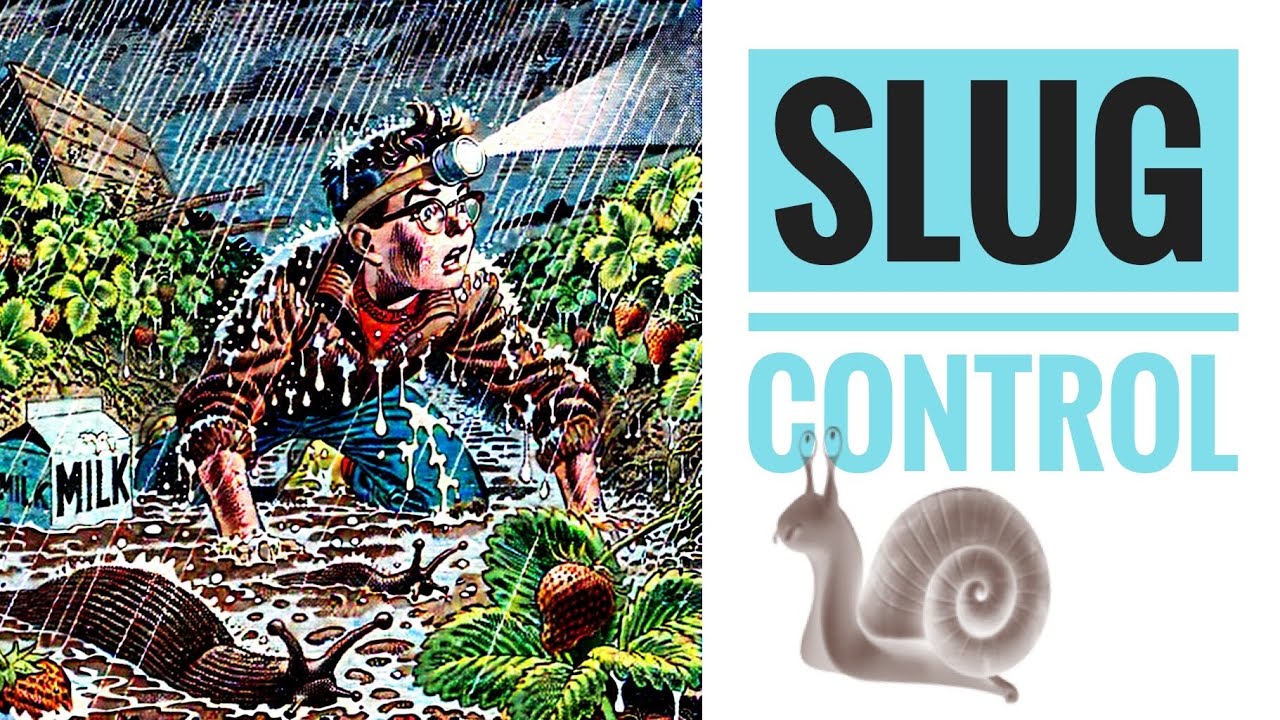
That is why he also sees a business potential if they can manage to find a solution, where you can keep the snails away from the vegetables or alternatively put them down to a level where you can keep them out without having to lie with headlamps every night..
Yes, you have probably figured it out already, where do the two boys go and ask for good advice about gardens.. Glitter Fang, from the nursery, tells Kesser and Steen about her background:
slugs — those sneaky little plant-munchers! I totally get not wanting to play slug ninja in the rain at night. 😂 Good news is, there are some solid, organic ways to keep them in check without nightly slug patrols. Here’s what really works:
Nematodes are natural predators. These are tiny beneficial worms you water into the soil. They hunt down slug larvae underground—zero effort once applied. Look for Phasmarhabditis hermaphrodita if you're in Europe, or a similar species if you're elsewhere.
Brix and Insect Resistance
Then I read more about Brix, and I kept seeing notations that high Brix greatly reduces insect problems in the garden, so I set out to find out more about high Brix and insect resistance.
For short-term "rescue" until you can build healthy soil, very fine rock dust sprayed directly on plants and trees has been shown in research to deter insect infestations very effectively. Trails of rock dust around the garden help keep slugs out. At least some producers are telling you this.
Kelp is also very effective because it is grown in very cold ocean waters that are nutrient-rich in minerals the plant kelp needs.
I wish I could tell you there is a "quick-fix" to keep pests out of your garden without toxic pesticides. There is not... but there IS a bright light down the road if you begin to build your soil to grow nutrient-dense plants, whether vegetables, fruits or flowers.
Reduce Habitat. Slugs love hiding under mulches, you know that. They particularly like hiding under old boards or wood of any kind. Keep the ground bare as much as possible. Cover crops are wonderful but also provide hiding and breeding ground, so plan accordingly, maybe with open spaces.
Attract natural predators to your garden. Provide habitat for small reptiles such as snakes, toads, frogs, salamanders. If you have chickens, they will only eat the smallest slugs, no larger than the size of your pinky fingernail. Unfortunately chickens do like to eat your salat as well, so will you allow them to forage in the area you are growing the veggies ?
At home, we like ducks for slug patrol. First fence off an area near the kitchen garden, and the ducks gobble them up happily.
Also, I’ve heard that some wild birds are natural predators, but that is still just a theory. I figure birds are a great addition to all gardens anyway.
Snails ARE cool little bastards, and yes, they happily slide over razor blades, broken glass, coarse seaweed, and whatever else we thought would work. They have a thick layer of mucus and can make more of it if they have to – and especially if it’s raining - Glitter Fang explains ..
#gardening #slugs #kesserogsteenpåtur
Copyright 2025 - Flamme Rouge 🚩 Nature
Повторяем попытку...
Доступные форматы для скачивания:
Скачать видео
-
Информация по загрузке: