Global Goals 🌍 SDG Washing 🌍 Align SDGs, SDG Targets, SDG Indicators
Автор: SoPact
Загружено: 2020-03-08
Просмотров: 9067
Описание:
💕 Love what you see? Hit ‘Like’ and ‘Subscribe’ to join our journey! 🚀
📢 Don’t miss these must-have resources:
1️⃣ Nonprofit Data Collection and Analysis Training & Course 👉 https://bit.ly/4gSFg8p
2️⃣ AI GPT for Social Impact & Sustainability 👉 https://bit.ly/3VSXb6M
3️⃣ Impact Strategy With AI Training 👉 https://bit.ly/3XjSgvp
4️⃣ Data Storytelling Training 👉 https://bit.ly/3TTZp4P
5️⃣ Survey & Data Design With AI Training 👉 https://bit.ly/3MCUe5a
6️⃣ Nonprofit Fundraising with Storytelling 👉 https://bit.ly/3ThLNjh
7️⃣ Actionable Impact Measurement and Management Training 👉 https://bit.ly/48lOkPL
🚀 Unlock the potential of AI for social impact today! Let’s create change, together.
🎥 Empower Your Mission with AI & Data Insights! 🌍
💡 Transform the way you approach impact measurement, storytelling, and nonprofit growth! Join our movement:
💬 Got questions or insights? Drop them in the comments below—we’d love to hear from you!
SDG Goals, SDG Target, SDG Indicators * SDG Washing * Impact Washing * Sustainable Development Goals * SDG Training * Global Goals * UN SDG Goals * UN SDG Targets * SDG Reporting * Impact Report
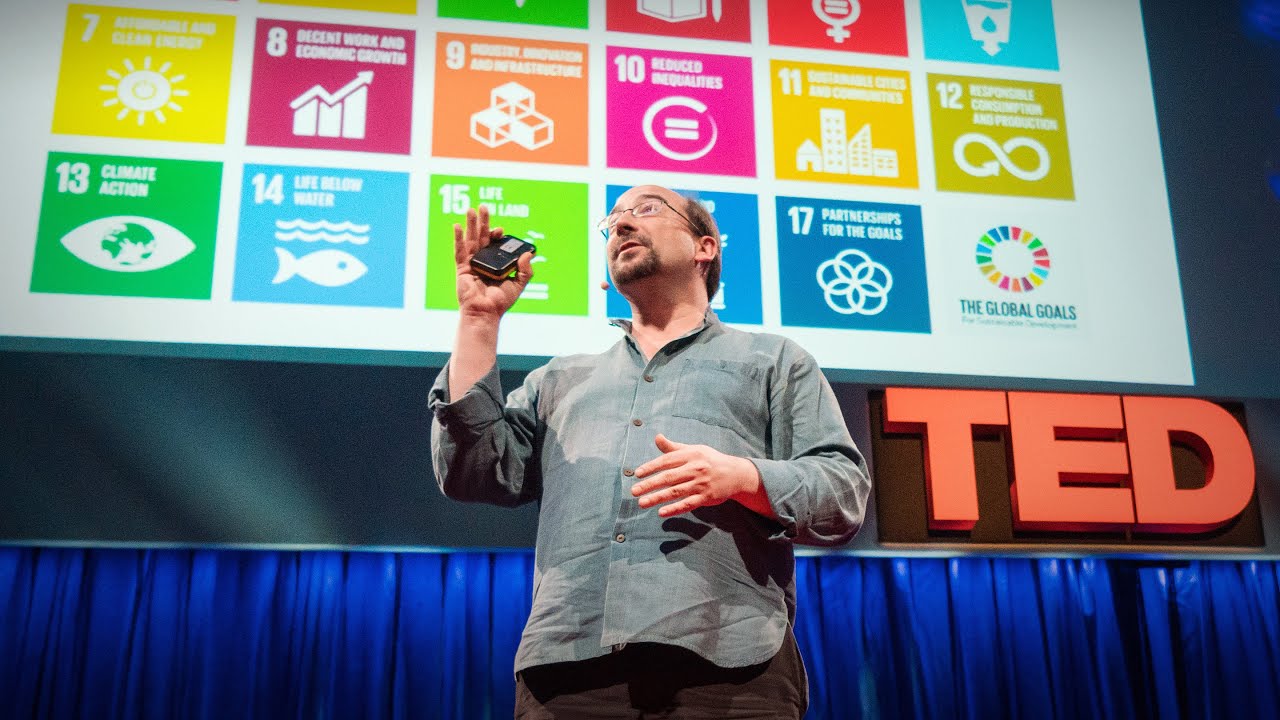
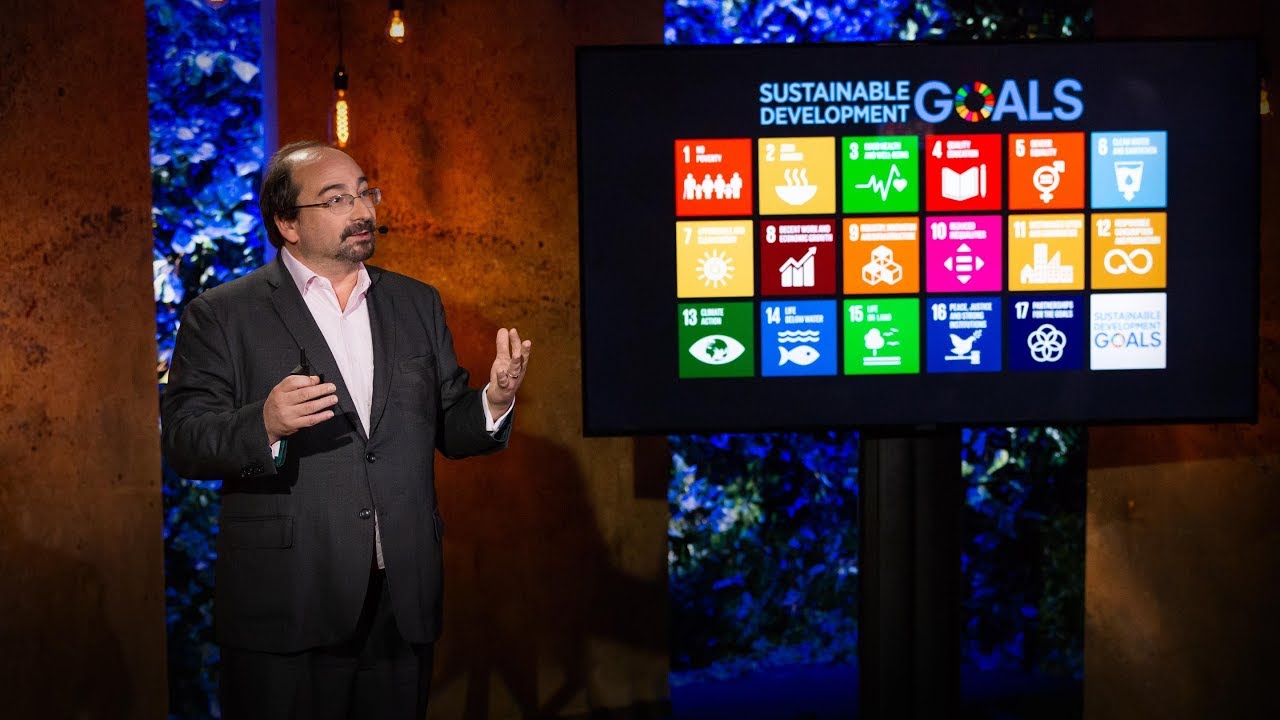
Are you a business with the vision to drive social impact through Sustainable Development Goals or Global Goals? Are you concerned about potentially over claiming SDG impact? More than 190 world leaders committed to the 17 Sustainable Development Goals (or SDG Goals 2030 or SDG 2030). Achieving the Global Goals opens up an economic prize of $12 trillion by 2030. And a recent study reports that 40 percent of the world’s 250 largest companies discuss Sustainable Development Goals in the context of their business strategy. This is potentially good news, but unfortunately, there are still significant gaps between reporting and action.
In our upcoming videos, we will show you how to collect stakeholder data to demonstrate relevant outcomes in connection to Sustainable Development Goals and the Impact Management Project. So don’t forget to smash that like button, subscribe, and click that notification bell, so you don’t miss any of the upcoming content we have planned for you.
Without further ado, let’s jump into today’s topic.
What is SDG washing? There are two ways to define it:
One situation occurs When companies are making a profit by doing well on one SDG but are concurrently doing harm on other SDGs.
The other involves businesses who talk about their commitment to SDGs, yet don’t have any data to back the impact reports. In other words, they’re all bark and no bite...
I know that as a socially-conscious company, the last thing you want to do is fall in this SDG-washing category. So here are some tips to avoid falling in the trap:
Align your indicators to SDG targets and not just SDG Goals
Everyone knows that there are 17 Global Goals, but did you know that the UN has also defined 169 SDG targets that give us a clear guideline on the impact and context for each Goal?
For example, goal 4, “Quality Education,” has 10 targets. Target 4.3, as an example, talks about ensuring equal access for all women and men to affordable and quality technical, vocational, and tertiary education, including university. So if you have a program with a high-quality education, but it’s not “affordable,” according to your community and context, you can’t really claim that you align to SDG 4.
Let me give you another example. Your organization has a program focused on educating students from an underserved community, and you want to report alignment to SDG 1 “No Poverty.” Your assumption is that by providing job-related skills to your students, they will find a job and, thus, reduce their level of poverty.
So What do you do next to make sure you’re measuring what matters in terms of SDGs? You guessed it! Let’s first examine the list of targets for SDG 1 to understand what poverty reduction means. Target 1.1 talks about eradicating extreme poverty, currently measured as people living on less than $1.25 a day.
First, make sure to know what the poverty level is in the community that you are working with; is it $1.25 a day? Has the data been updated recently?
Second, make sure to collect data that indicates how much money your beneficiaries are making in their new job. If their salary doesn’t go above the poverty line, it doesn’t matter that they have a new job; the specific target is not being fulfilled.
Measure unintended and negative outcomes too
The purpose of impact measurement is to identify what we are doing right and what we should improve. You don’t intend to affect your stakeholders in any way, but sometimes it could happen without you noticing.
#sdgs #sdgtargets #sdgindicators
Повторяем попытку...

Доступные форматы для скачивания:
Скачать видео
-
Информация по загрузке: