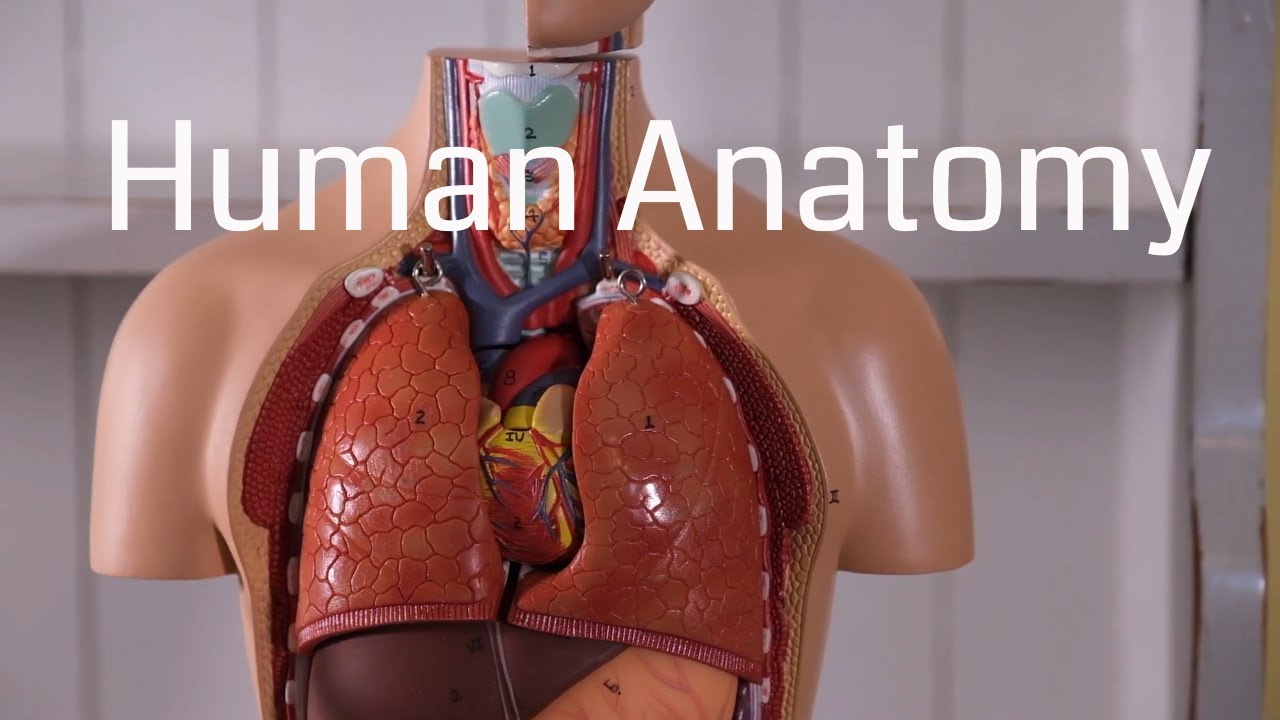
Clay Adams Anatomical Model - Canada Museum of Science and Technology
Автор: MvcVmc
Загружено: 2013-09-05
Просмотров: 1208
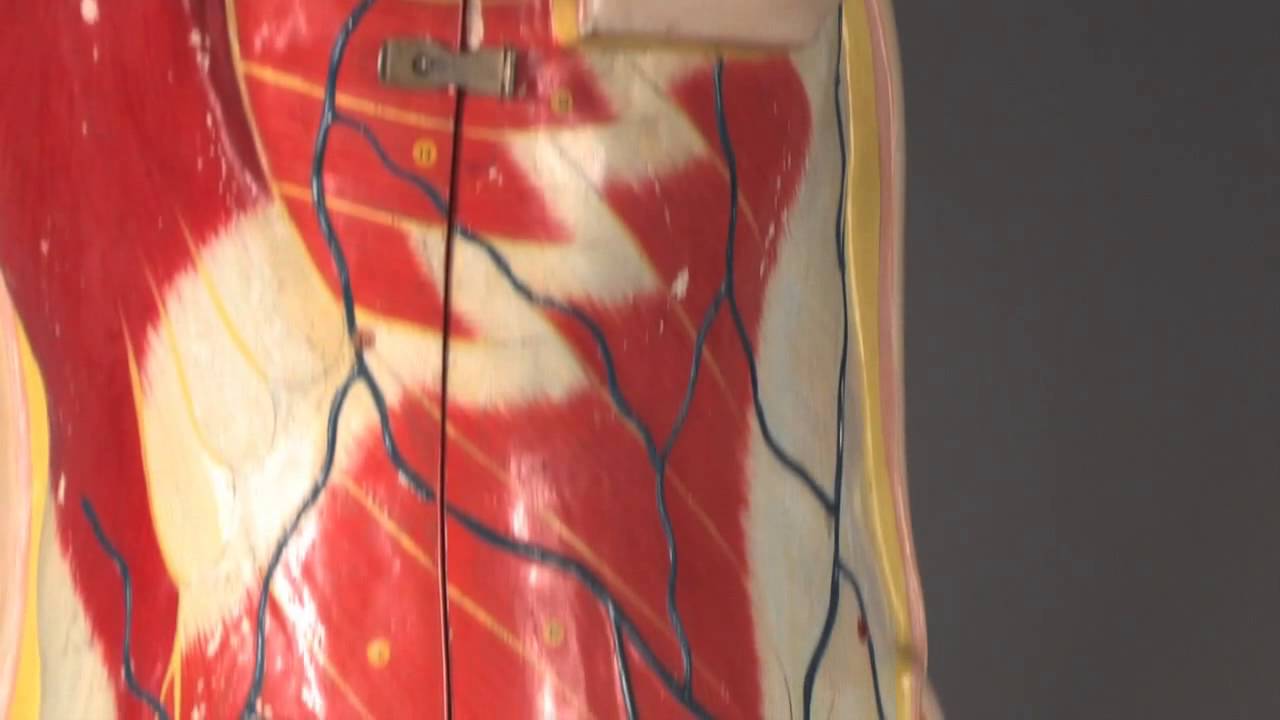
Описание: Fitting together like pieces of a puzzle, this anatomical model was produced in the early 1950s in Japan by the American company, Clay-Adams Inc. The model belonged to Dr. Yakoff, who used it to explain various medical conditions to his non-English immigrant patients in the Toronto suburb of Leaside. The model features over 500 labeled organs and structures that can be disassembled. In comparison to todays plastic anatomical models, the Clay-Adams model appears quite fragile. In its time, however, it was a durable teaching tool, widely used by physicians and students across North America from the 1930s to the 1960s. The hand-painted and lacquered construction of this mass-produced model provided an alternative to the costly models from the 18th and 19th centuries, which were individually hand-made of ivory or wax and had many limitations. Ivory was expensive and did not allow for detail while wax melted above certain temperatures. The other limitation was the realistic rendering of the organs. In an attempt to shield patients from the shock of diagnosis, the visual design of the Clay-Adams model shows the body as visually pleasant, decorative and stylized. Up-close the organs are hardly identifiable. This model fits within a long tradition of medical illustration which presents the human anatomy an aesthetic object. The choice to avoid stark realism of the earlier wax models was part of a larger movement in western science in the second half of the twentieth century. These aesthetic traditions simplified, softened and thus helped physicians communicate graphic medical knowledge to students and patients, protecting them from the supposedly fearful reality of the human body.
Повторяем попытку...
Доступные форматы для скачивания:
Скачать видео
-
Информация по загрузке: