Bobi Wine Speaks Out From Hiding | Kampala Floods | New Airport
Автор: Muna Uganda +256
Загружено: 2026-03-07
Просмотров: 2085
Описание:
Bobi Wine, whose real name is Robert Kyagulanyi Ssentamu, is a Ugandan politician, activist, and former musician who has become one of the most prominent opposition figures in Uganda. He first gained fame as a popular musician before entering politics in 2017 when he was elected as the Member of Parliament for Kyadondo East. Over the years, Bobi Wine built a strong following, particularly among young Ugandans, through his message of political reform, social justice, and youth empowerment. His transition from music to politics helped him mobilize large crowds and transform his personal brand into a broader political movement.
Bobi Wine later founded the National Unity Platform (NUP), which has become one of the leading opposition parties in Uganda. He gained international attention after challenging longtime president Yoweri Museveni in the 2021 presidential election, campaigning on promises of democratic change and government accountability. Although Museveni was declared the winner, Bobi Wine rejected the results and continued to advocate for political reforms and human rights. Today, he remains a central figure in Uganda’s opposition politics and an influential voice on issues affecting young people and democratic governance in the country.
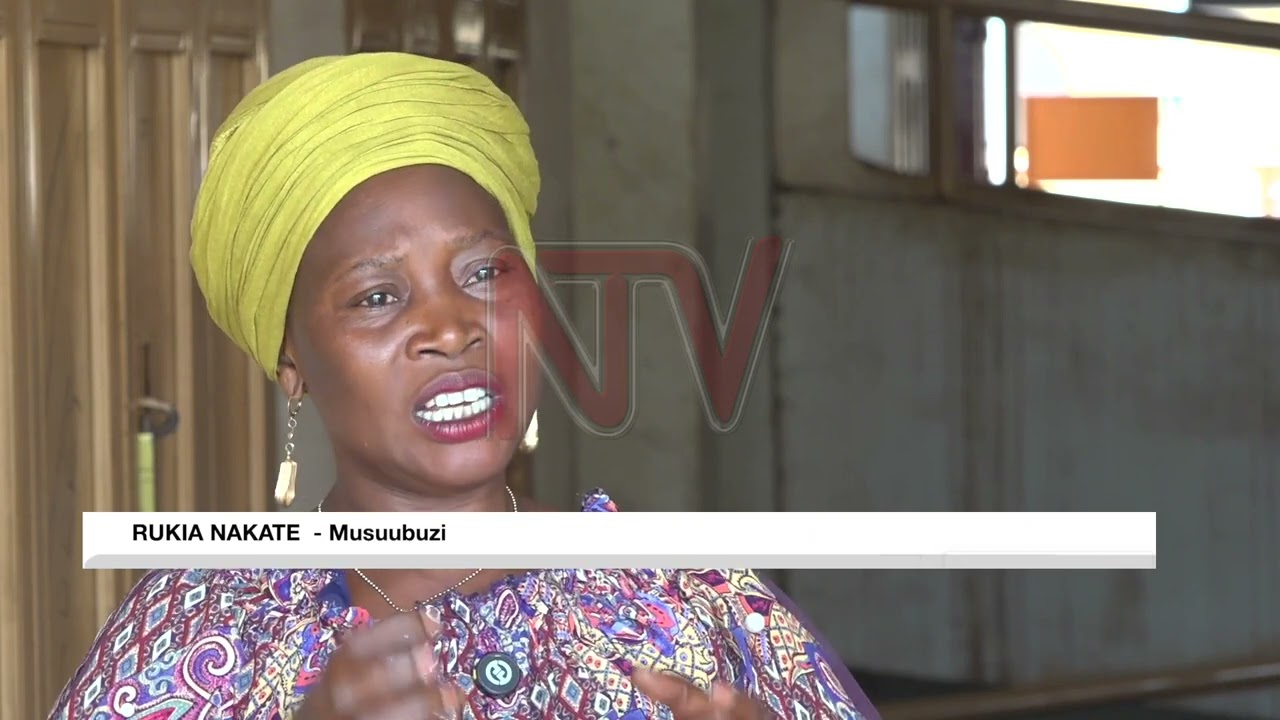
Hamis Kiggundu, commonly known as Ham, is a Ugandan businessman and real estate developer whose name has recently been mentioned in discussions about flooding in Kampala. The businessman is known for major commercial developments in the city, including markets, arcades, and residential properties built through his company Ham Enterprises. In recent years, debates about urban planning and drainage in Kampala have intensified, especially after heavy rains caused severe flooding in several parts of the city.
Some critics and city activists have blamed rapid real estate development and construction in wetlands for worsening flooding in Kampala, and Hamis Kiggundu’s projects have occasionally been mentioned in those debates. However, the businessman has publicly defended his developments, saying they follow approved plans and regulations. Flooding in Kampala is widely linked to multiple factors, including poor drainage infrastructure, blocked waterways, rapid urban expansion, and construction in wetland areas across the city.
Authorities and urban planners have repeatedly warned that continued development in sensitive environmental zones could increase the risk of flooding if not properly regulated. The issue has become a broader conversation about city planning, environmental protection, and infrastructure management as Kampala continues to grow rapidly. Meanwhile, government agencies and city leaders have pledged to improve drainage systems and enforce environmental regulations to reduce flooding in the Ugandan capital.
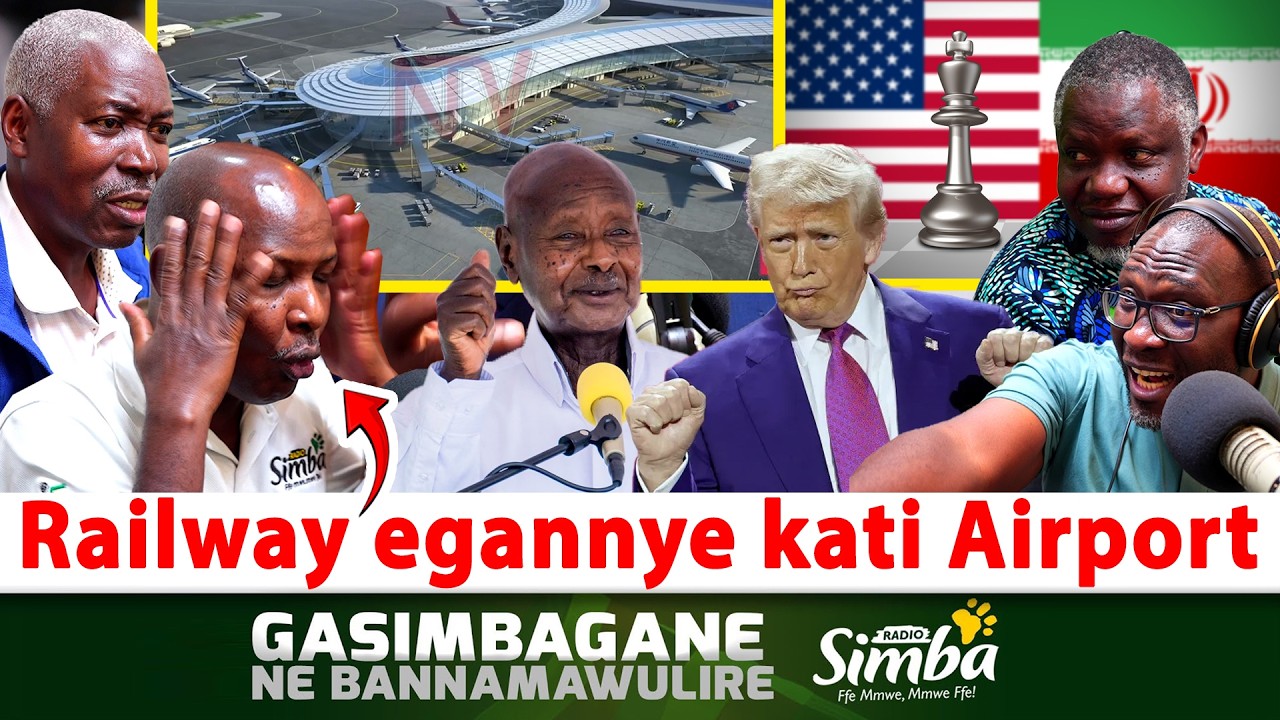
Uganda is considering plans to construct a new international airport near Mbarara in western Uganda, a proposal that has recently attracted significant public attention. The project, often referred to as Mbarara International Airport, was announced by Yoweri Museveni as part of efforts to expand Uganda’s aviation infrastructure and support economic development outside the capital region. The airport is expected to be located near Nyakisharara, about 10 kilometers from Mbarara City, and could improve access to southwestern Uganda, a region known for tourism, agriculture, and growing urban development. Supporters believe the airport could reduce travel times for tourists visiting national parks and wildlife destinations while also creating new opportunities for cargo exports and regional trade.
The proposal has also sparked debate among aviation experts and the public, with some questioning whether another major airport is necessary when Entebbe International Airport already handles most international flights into the country. Critics have raised concerns about the potential cost of the project and whether passenger demand would be sufficient to justify such a large development. However, many local leaders and residents in Mbarara say the airport could stimulate economic growth, attract investment, and create jobs across western Uganda. While the government has not yet announced a confirmed construction timeline, discussions about the project continue as Uganda explores ways to strengthen its transport infrastructure and position itself as a regional aviation hub in East Africa.
Повторяем попытку...

Доступные форматы для скачивания:
Скачать видео
-
Информация по загрузке: