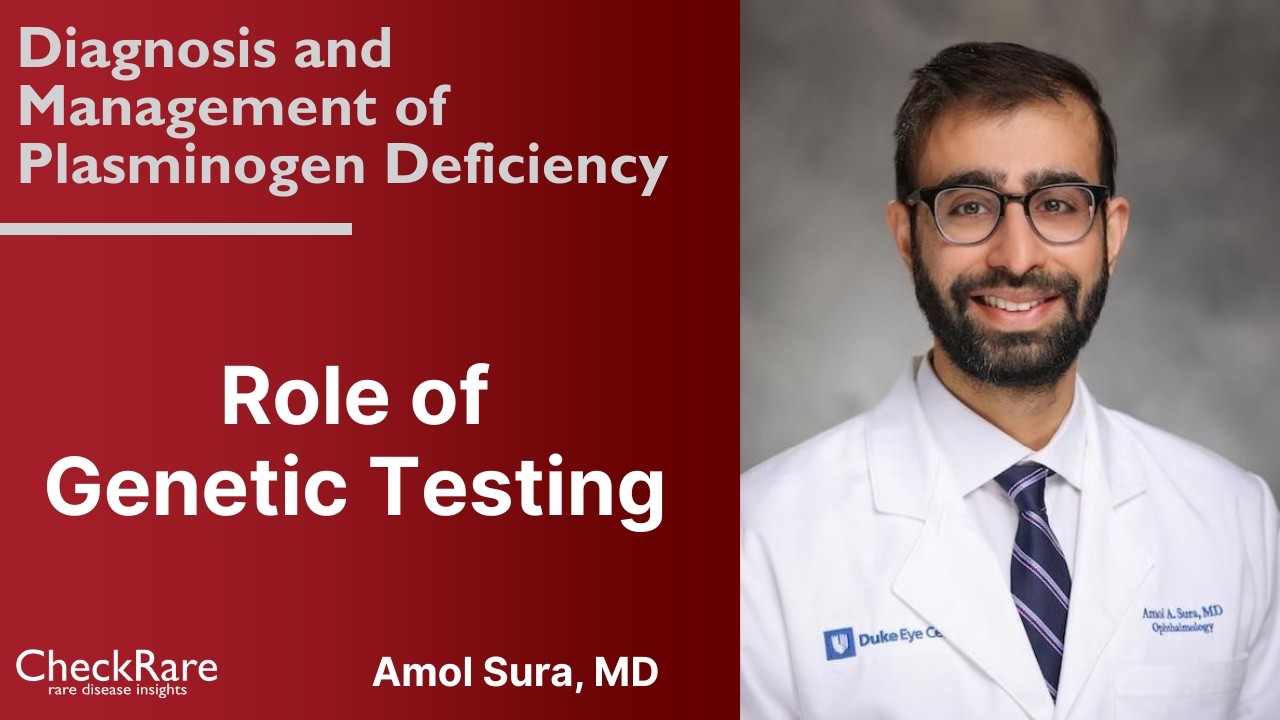
Role of Genetic Testing
Автор: CheckRare
Загружено: 2026-03-11
Просмотров: 2
Описание:
Amol Sura, MD, Foster Center for Ocular Immunology, Dept of Ophthalmology, Duke University, Durham, North Carolina, discusses the diagnosis and management of plasminogen deficiency, a rare condition in which the eyes are first affected, but it manifests in mucous membranes throughout the body.
“The eyes are a window into the health of the entire body,” said Dr. Sura, and that is precisely the case for patients with plasminogen deficiency type 1 (PLGD-1). For this rare, inherited condition, the first symptom observed is the growth of ligneous or wood-like lesions on the surface of the eye or eyelid (in about 80% of patients, first seen at ages 9–10 months). It is often characterized as ligneous conjunctivitis.
If left untreated, PLGD-1 may result in severe—even life-threatening—complications, affecting mucous membranes in many other areas of the body, including the respiratory tract, central nervous system, gingiva, and genitourinary tract. Vision loss, tooth loss, and other serious outcomes have been reported.
In this homozygous condition involving the PLG gene, the plasminogen protein is defective; it cannot effectively perform its intended function of breaking down fibrin. The result is the formation of fibrin clots appearing as ligneous growths or pseudomembranes. Once removed, these lesions reappear, and this should tip off the physician (most often an ophthalmologist) that something systemic is the cause.
The diagnosis of PLGD-1 is straightforward: A blood test showing decreased plasminogen activity levels is confirmatory. A genetic test is not necessary.
In the past, management of PLGD-1 was through the use of off-label therapies, including heparin eyedrops, immunologics, and plasma infusions. A form of intravenous human plasminogen was approved by the U.S. Food and Drug Administration in 2021, and this is considered the standard of care today. With this therapy, plasminogen plasma levels can be restored, lowering the risk of new fibrin clots throughout the body.
For newly diagnosed patients, the best advice for caregivers is to establish a relationship with a hematologist, who will serve as principal care provider. Although a multidisciplinary care team is required (e.g., ophthalmology, obstetrics/gynecology, dentistry), the need for other specific providers will depend on the other organs or sites affected.
Dr. Sura believes that PLDG-1 is underdiagnosed, but with increasing awareness, and the availability of effective treatment, diagnosis and management of these patients can be improved today.
Повторяем попытку...
Доступные форматы для скачивания:
Скачать видео
-
Информация по загрузке: