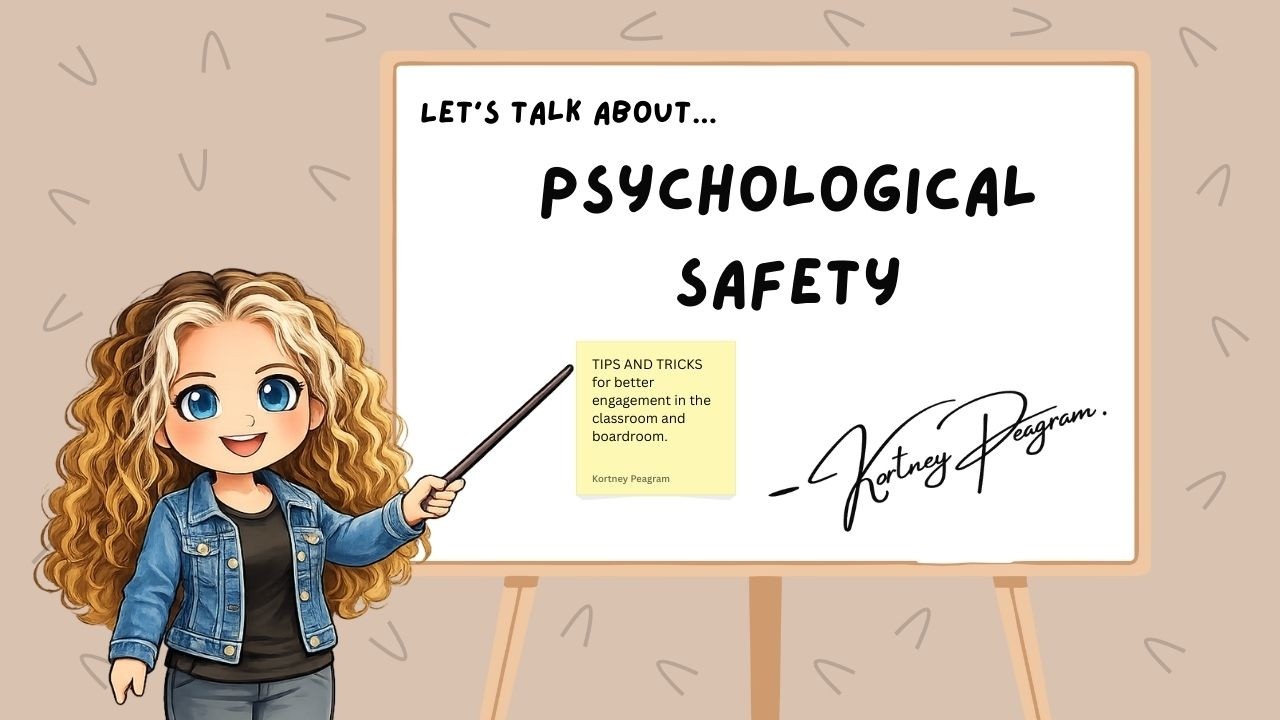
Increasing Psychological Safety
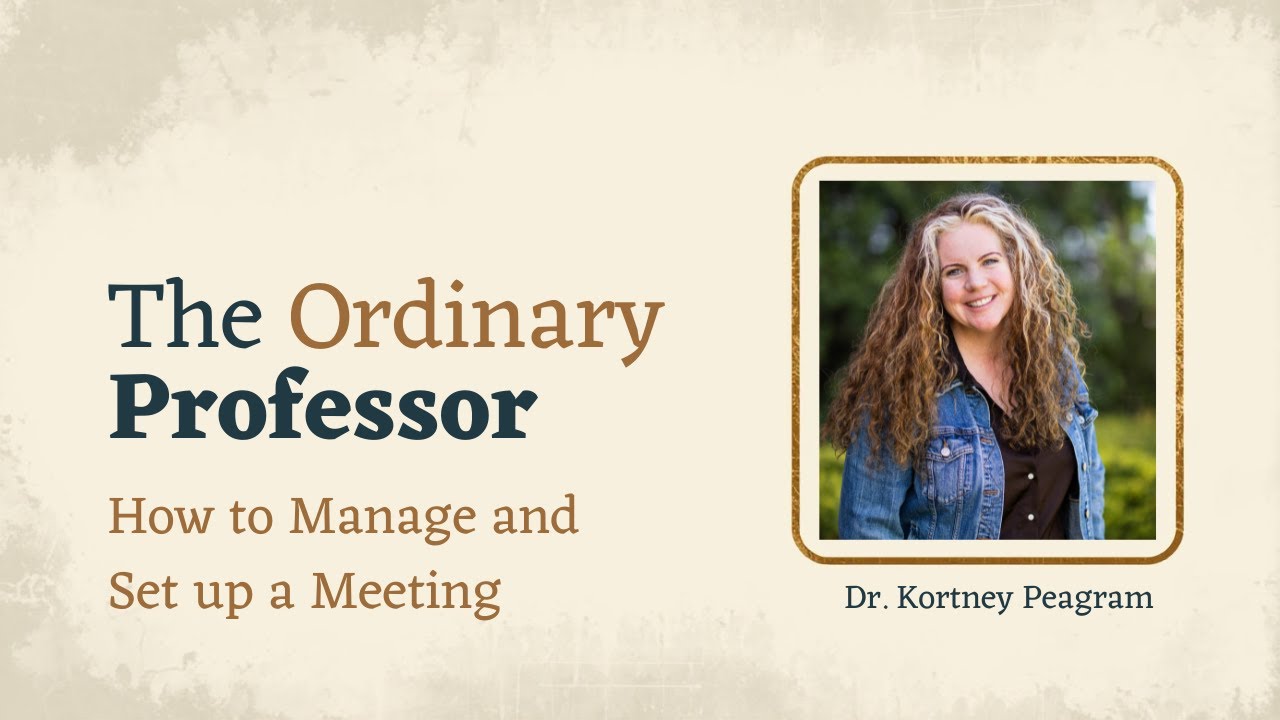
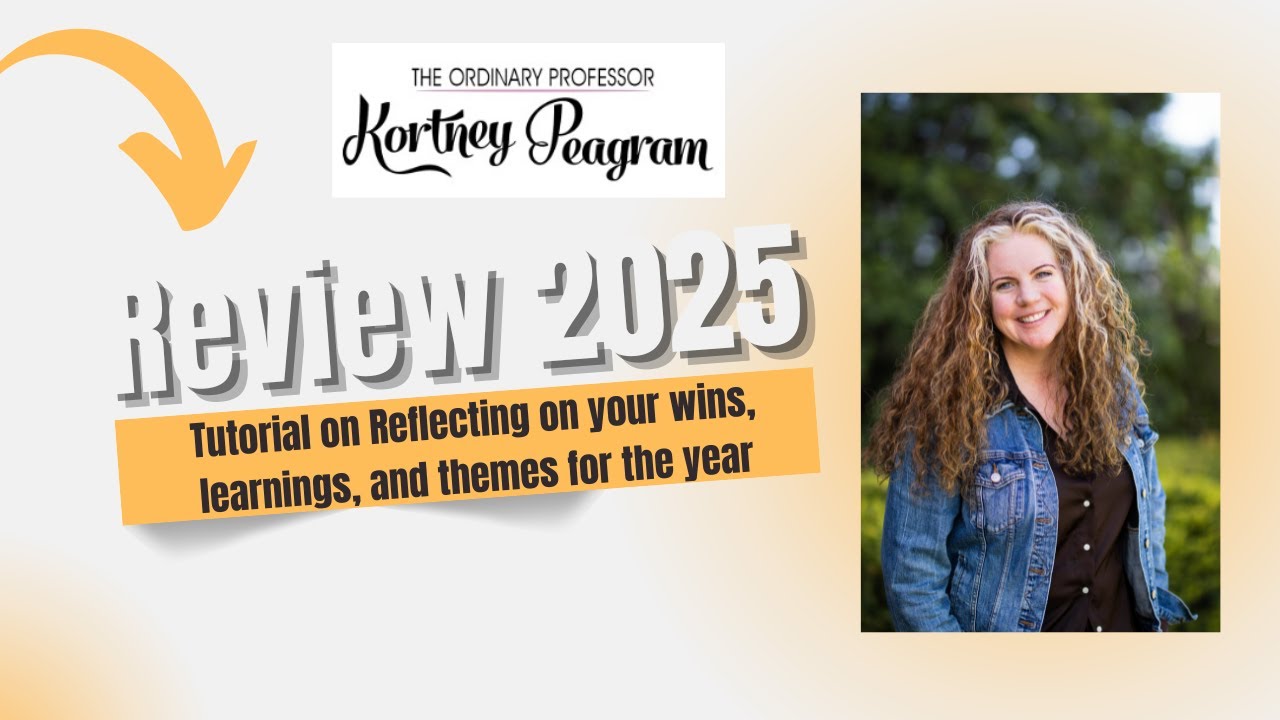
Автор: Kortney Peagram
Загружено: 2026-02-11
Просмотров: 32
Описание:
🎥 How to Build Psychological Safety in Classrooms, Meetings & Trainings
If you want higher engagement, better discussions, stronger retention, and real inclusion… psychological safety is the lever.
In this episode, Dr. Kortney Peagram breaks down practical strategies to build environments where people feel seen, heard, and valued and where real learning and growth can happen.
👩🏫 About the Host
Host of The Ordinary Professor
Executive coach | Facilitator | “How-To” Psychologist
Specializing in emotional intelligence, workplace behavior, harassment remediation, and career readiness.
What Is Psychological Safety?
Psychological safety is the ability to:
Show up as yourself
Ask questions without fear
Make mistakes without shame
Ask for help
Disagree respectfully
Feel seen and heard
When psychological safety is high:
Engagement increases
Decision-making improves
Inclusion and belonging grow
Retention improves
Difficult conversations become possible
🔑 Core Strategies Shared in This Episode
1️⃣ Learn Names Immediately
Use name tents or table tents
Practice pronunciation
Use names frequently
Map seating patterns
Why it matters: Names transform people from “a number in the room” into part of the group identity.
2️⃣ The “Three Things I Need to Know” Method
Participants privately share three important facts that may impact their experience.
Examples:
“I struggle with public speaking.”
“I work two jobs.”
“I’m new to the company.”
“I’m introverted.”
Why it matters: Leaders gain context. Context builds compassion. Compassion reduces stress.
3️⃣ The 5-Minute Welcome Window
Start class or meetings 5 minutes after the official time
Greet people individually
Normalize late arrivals
Never publicly shame
Why it matters: First impressions shape safety. Warm entry points reduce anxiety.
4️⃣ Icebreakers With Purpose
Participants:
Introduce themselves
Learn 10–15 names by midterm
Practice conversation skills
Why it matters: Relationship building is career training. Social fluency matters.
5️⃣ Structure, Consistency & Repetition
Psychological safety thrives on predictability.
Dr. Peagram builds:
Clear agendas
Repeated class structure
Multi-format instructions (verbal, written, video)
Clear communication policies
Why it matters: When people know what to expect, cognitive load decreases and confidence increases.
6️⃣ PTO & Sick Day Policy in the Classroom
Students practice:
Professional communication
PTO requests
Sick day protocols
Why it matters: Career readiness begins before graduation.
7️⃣ The Social Contract Framework
After reviewing formal policies, groups co-create a social contract.
Categories may include:
Academics / Performance
Social Interaction
Fun
Process:
1. Small groups brainstorm items
2. Present to the full group
3. Vote collectively
4. Align with formal policies
Why it works:
Increases buy-in
Builds ownership
Encourages curiosity
Expands expectations of what’s possible
Psychological safety grows when people help build the system they operate within.
💬 Key Takeaways
Safety is built intentionally.
Engagement follows belonging.
Structure supports creativity.
Leaders set the tone.
Curiosity expands culture.
Small behaviors create big shifts.
🎯 Who This Is For
Professors
Trainers
HR leaders
Managers
Executive coaches
Facilitators
Anyone leading groups
📌 Subscribe for More
If you’re building classrooms, teams, or organizations that actually work for people, hit subscribe and join The Ordinary Professor community.
You don’t need to be perfect to build safety.
You need to be intentional.
See you in the next episode.
Повторяем попытку...
Доступные форматы для скачивания:
Скачать видео
-
Информация по загрузке: