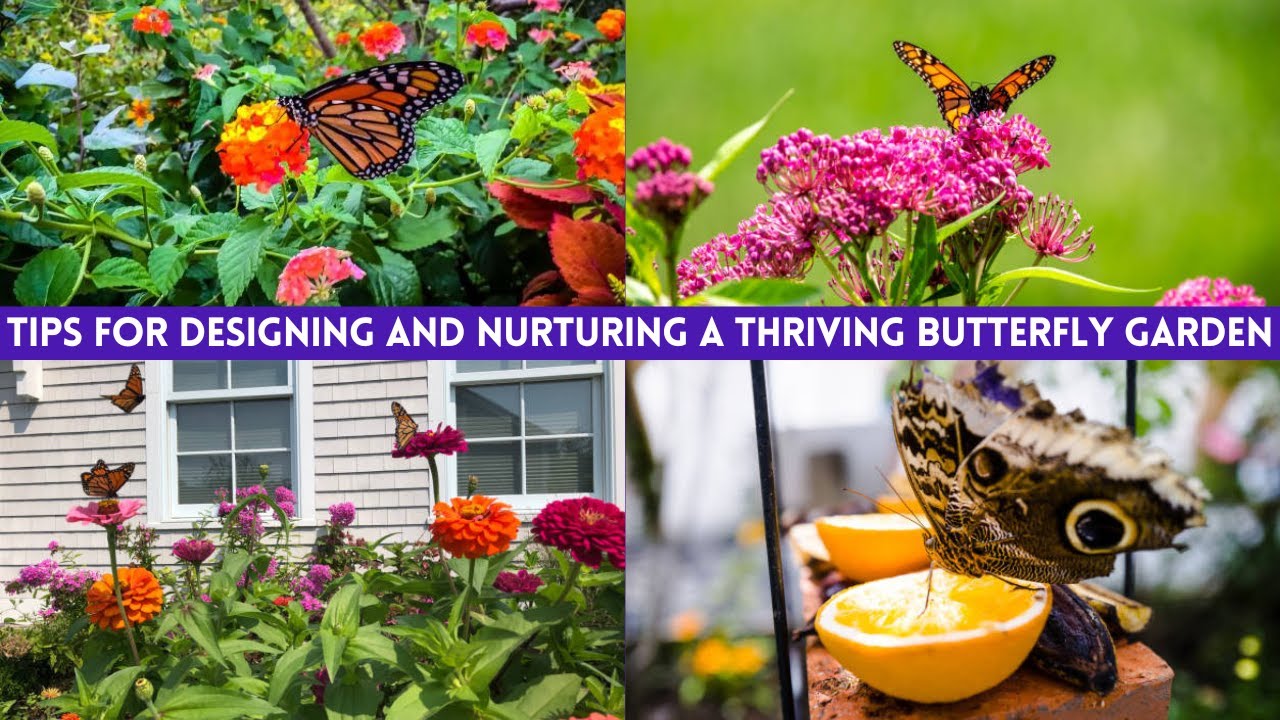
"Creating a Butterfly Haven: Tips for Designing and Nurturing a Thriving Butterfly Garden"
Автор: Garden Land
Загружено: 2023-07-23
Просмотров: 9
Описание:
Title: Tips for Designing a Butterfly Garden
Introduction:
Creating a butterfly garden is a wonderful way to attract and support these beautiful and beneficial insects. Butterflies not only add vibrant colors to your outdoor space but also play a crucial role in pollination. To design a successful butterfly garden, it's essential to consider their specific needs for food, water, and shelter. In this guide, we will provide you with 5000 words of valuable tips and advice for designing a butterfly garden that will enchant both you and these delicate creatures.
1. Research Local Butterflies:
a. Familiarize yourself with the butterfly species that are native to your region. Learn about their preferred nectar plants and host plants.
b. Use field guides, websites, or consult with local butterfly organizations to identify the butterflies in your area.
c. Select plants that cater to the specific needs of these butterflies to create an inviting habitat.
2. Choose the Right Location:
a. Identify a sunny spot in your garden for the butterfly garden as butterflies thrive in warm environments.
b. Ensure the location is sheltered from strong winds to provide a calm and safe space for the butterflies.
c. Consider the available space and plan accordingly, keeping in mind that larger gardens will attract a greater diversity of butterflies.
3. Create a Diverse Plant Selection:
a. Incorporate a variety of flowering plants that provide nectar for adult butterflies. Choose plants with different bloom times to ensure a continuous food source throughout the seasons.
b. Select native plants as they are best adapted to the local climate and the needs of native butterflies.
c. Include a mix of flower shapes, sizes, and colors to attract a diverse range of butterfly species.
4. Provide Host Plants:
a. Host plants are essential for butterflies to lay their eggs and for caterpillars to feed on. Research the specific host plants preferred by local butterfly species.
b. Incorporate a selection of host plants in your garden, focusing on plants that are native to your region.
c. Be prepared for some leaf damage as caterpillars feed on the host plants. It's a sign that your garden is providing the necessary resources for butterfly reproduction.
5. Consider the Lifecycle:
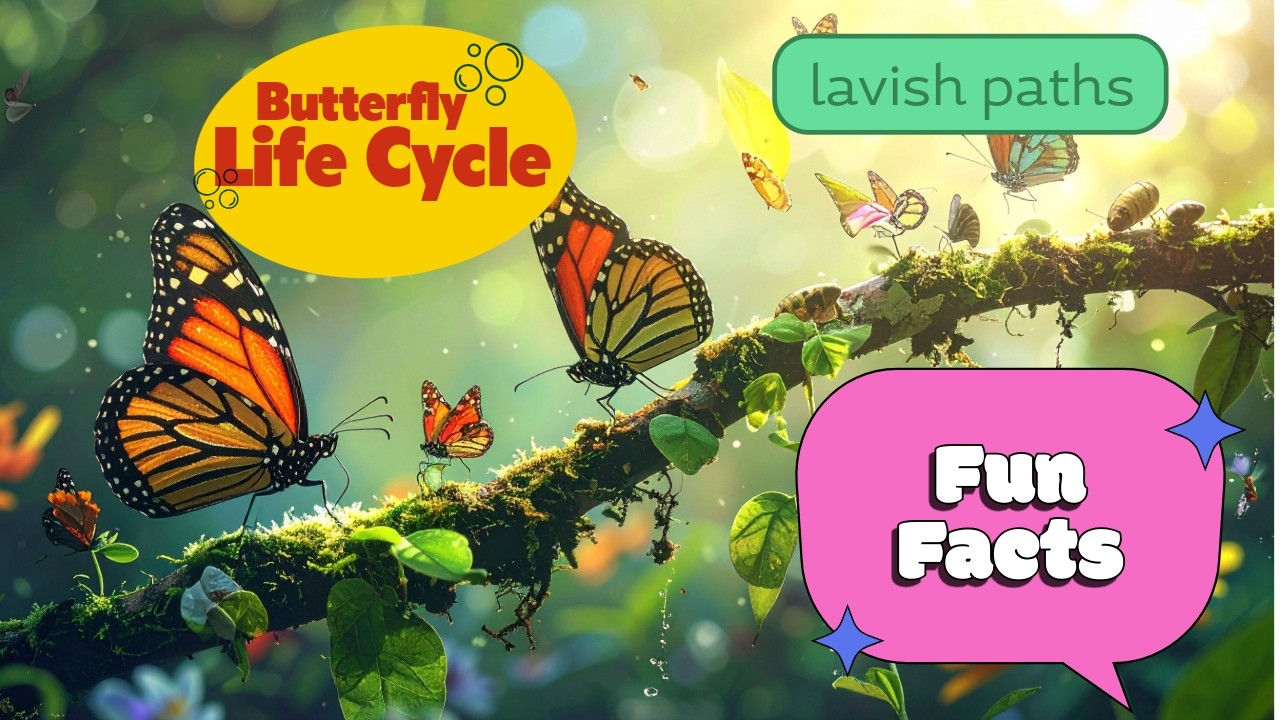
a. Understand the life cycle of butterflies, which includes the egg, caterpillar, chrysalis, and adult stages.
b. Provide suitable plantings and structures for each stage. For example, include larval food plants for caterpillars, such as milkweed for monarch butterflies.
c. Incorporate features like rocks or logs where butterflies can rest or form chrysalides.
6. Provide a Water Source:
a. Butterflies require water for drinking and puddling. Create a shallow water source such as a birdbath, shallow dish, or a damp area of sand or soil.
b. Add rocks or pebbles to the water source to provide perches for the butterflies.
c. Keep the water source clean and filled with fresh water to ensure its attractiveness to butterflies.
7. Create Shelter and Sunning Areas:
a. Include a variety of plant heights and densities to provide shelter and resting spots for butterflies during windy or rainy weather.
b. Incorporate trees, shrubs, and tall grasses to create a windbreak and offer protection from predators.
c. Leave some sunny open spaces where butterflies can bask in the sunlight, which is crucial for their body temperature regulation.
8. Avoid Pesticides:
a. Avoid using chemical pesticides in your butterfly garden as they can harm butterflies at various stages of their life cycle.
b. Instead, use organic methods to control pests, such as handpicking, companion planting, or introducing beneficial insects.
c. Embrace some level of insect damage as it is a natural part of a thriving ecosystem and supports the butterfly population.
9. Maintain the Garden:
a. Regularly inspect your garden for pests, diseases, and weeds. Promptly address any issues to maintain a healthy garden ecosystem.
b. Deadhead spent flowers to encourage continuous blooming and provide a fresh supply of nectar for butterflies.
c. Remove any invasive plant species that may outcompete or harm native plants.
#ButterflyGardenTips #DesigningButterflyHaven #ButterflyGardenIdeas #AttractingButterflies #ButterflyConservation #GardenForPollinators #NatureAtYourDoorstep #GardenInspiration #ButterflyFriendlyPlants #NatureLovers #GardenersOfInstagram #HorticultureTips #GardenDesign #ButterflySpecies #ButterflyMigration #GardenMagic
Повторяем попытку...
Доступные форматы для скачивания:
Скачать видео
-
Информация по загрузке: