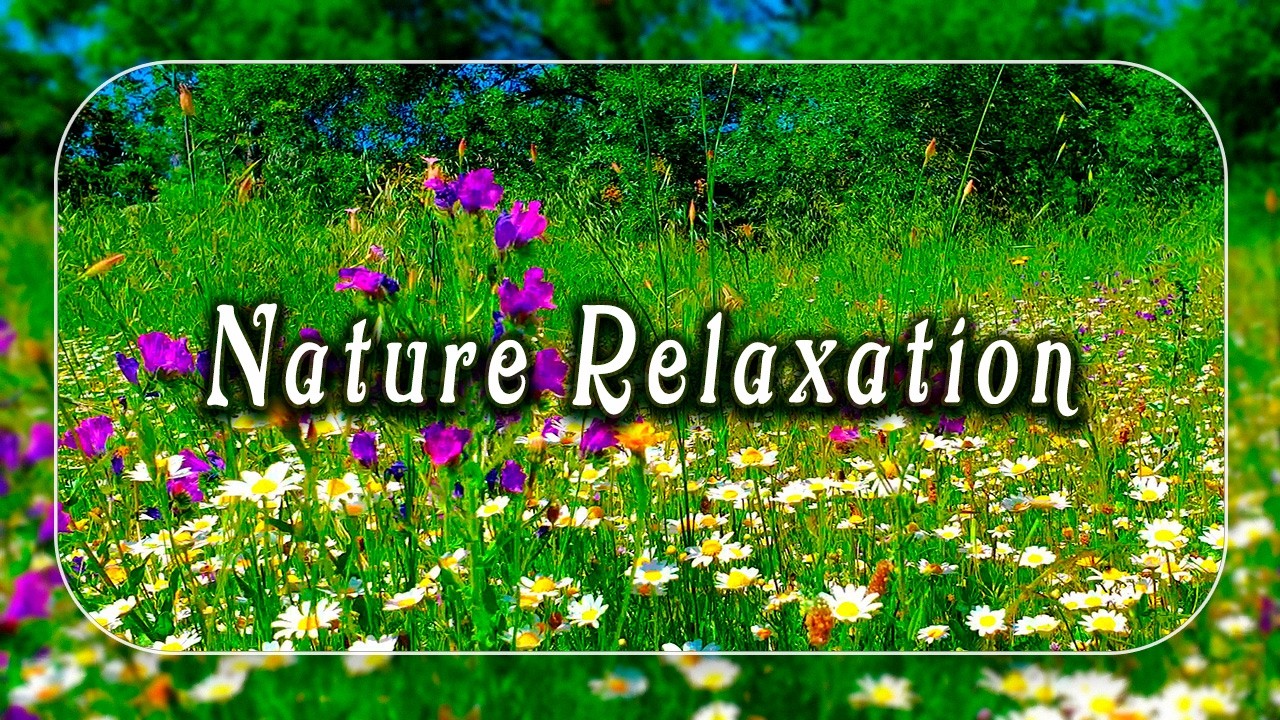
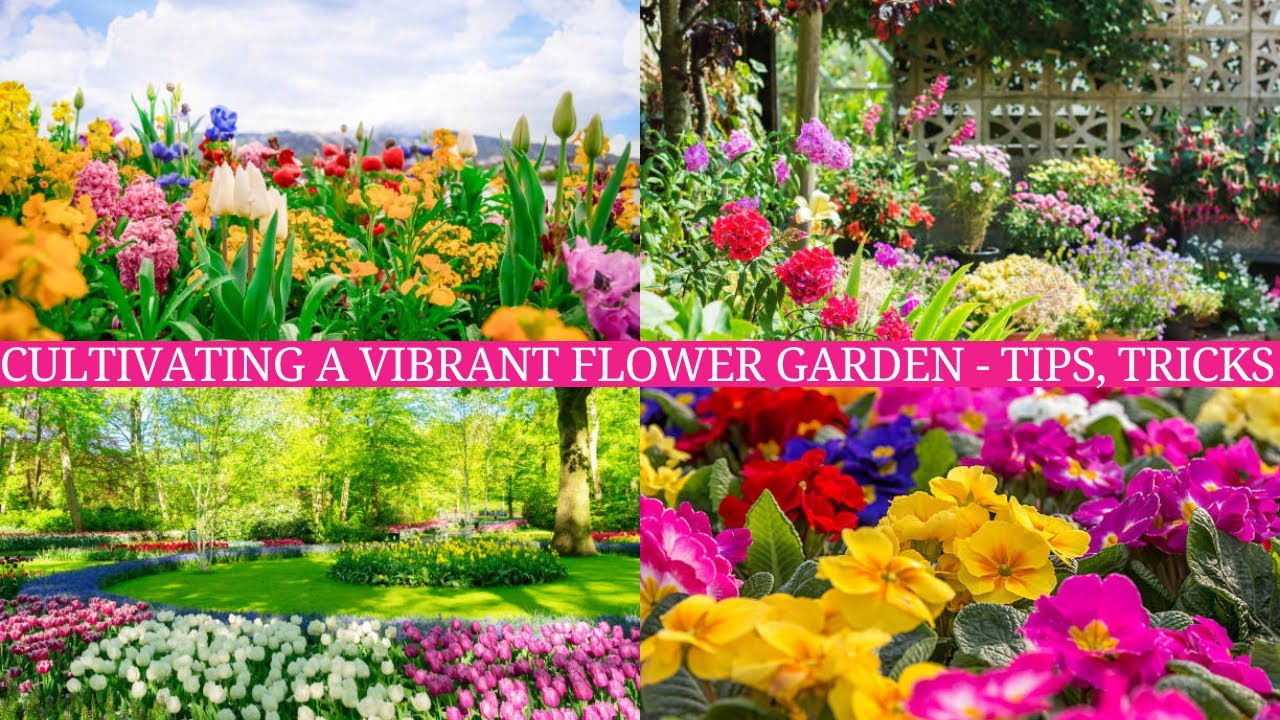
"Blooming Paradise: Cultivating a Vibrant Flower Garden - Tips, Tricks, and Floral Delights"
Автор: Garden Land
Загружено: 2023-07-25
Просмотров: 48
Описание:
Title: Cultivating a Vibrant Flower Garden
Introduction:
A vibrant flower garden is a source of joy, beauty, and inspiration. Cultivating such a garden requires careful planning, thoughtful selection of plants, and proper care. Whether you're a beginner or an experienced gardener, creating a vibrant flower garden is an exciting endeavor. In this guide, we will provide you with 5000 words of valuable tips and advice for cultivating a stunning and colorful flower garden that will delight your senses and bring life to your outdoor space.
1. Assess Your Garden Space:
a. Evaluate the available space in your garden, considering factors such as sunlight exposure, soil type, and drainage.
b. Determine if your garden has any specific microclimates, such as areas with full sun, partial shade, or deep shade.
c. Take note of any existing structures or features that could impact your garden design, such as trees, fences, or walls.
2. Plan Your Garden Design:
a. Consider your personal preferences, such as color schemes, themes, or specific flower types you wish to incorporate.
b. Sketch a rough design or use online garden planning tools to visualize the layout of your flower beds, pathways, and focal points.
c. Aim for a balance between different flower heights, forms, and textures to create a visually appealing and dynamic garden.
3. Choose the Right Plants:
a. Select flowers that are well-suited to your climate, soil conditions, and the amount of sunlight in your garden.
b. Consider a mix of annuals, perennials, and biennials to provide continuous blooming throughout the seasons.
c. Opt for a variety of flower shapes, sizes, and colors to create depth and interest in your garden.
4. Prepare the Soil:
a. Test your soil's pH and nutrient levels and make necessary amendments to create an optimal growing environment for your flowers.
b. Incorporate organic matter, such as compost or well-rotted manure, to improve soil structure, fertility, and drainage.
c. Remove any weeds, rocks, or debris from the planting area to ensure the best conditions for your flowers to thrive.
5. Proper Planting Techniques:
a. Follow the specific planting instructions for each flower variety, including the recommended planting depth and spacing.
b. Dig holes that are wide and deep enough to accommodate the root system of each plant without overcrowding.
c. Gently loosen the roots before planting and water thoroughly after planting to help the plants establish themselves.
6. Watering and Moisture Management:
a. Provide regular watering to keep the soil consistently moist but not waterlogged. Adjust the frequency based on the needs of your flower species and the prevailing weather conditions.
b. Apply a layer of mulch around your plants to help retain moisture, regulate soil temperature, and suppress weed growth.
c. Consider using drip irrigation or soaker hoses for efficient and targeted watering, reducing water waste.
7. Fertilizing for Healthy Growth:
a. Feed your flowers with a balanced, slow-release fertilizer to provide them with essential nutrients throughout the growing season.
b. Follow the recommended dosage instructions for each type of fertilizer and avoid overfertilizing, as it can lead to excessive foliage growth and fewer blooms.
c. Incorporate organic alternatives like compost or compost tea to enrich the soil naturally and promote long-term soil health.
8. Deadheading and Pruning:
a. Regularly remove spent flowers through deadheading to encourage continuous blooming and redirect the plant's energy towards producing new blooms.
b. Prune your flowers when necessary to maintain their shape, remove diseased or damaged parts, and promote overall plant health and vigor.
c. Research the specific pruning requirements for each flower species, as some may benefit from pruning in early spring, while others require pruning after flowering.
9. Pest and Disease Management:
a. Monitor your flower garden regularly for signs of pests or diseases. Identify and address any issues promptly to prevent widespread damage.
b. Encourage natural pest control by attracting beneficial insects, such as ladybugs or lacewings, that prey on common garden pests.
c. If necessary, use organic pest control methods such as neem oil, insecticidal soaps, or homemade remedies to minimize harm to beneficial insects and pollinators.
#VibrantFlowerGarden #BloomingParadise #GardenOfColors #FloralDelights #FlowerGardenTips #GardenInspiration #GardeningPassion #FlowerPower #GardenGoals #GardeningIdeas #NatureInBloom #GardenBeauties #FlowerLovers #GardenersOf
Повторяем попытку...
Доступные форматы для скачивания:
Скачать видео
-
Информация по загрузке: