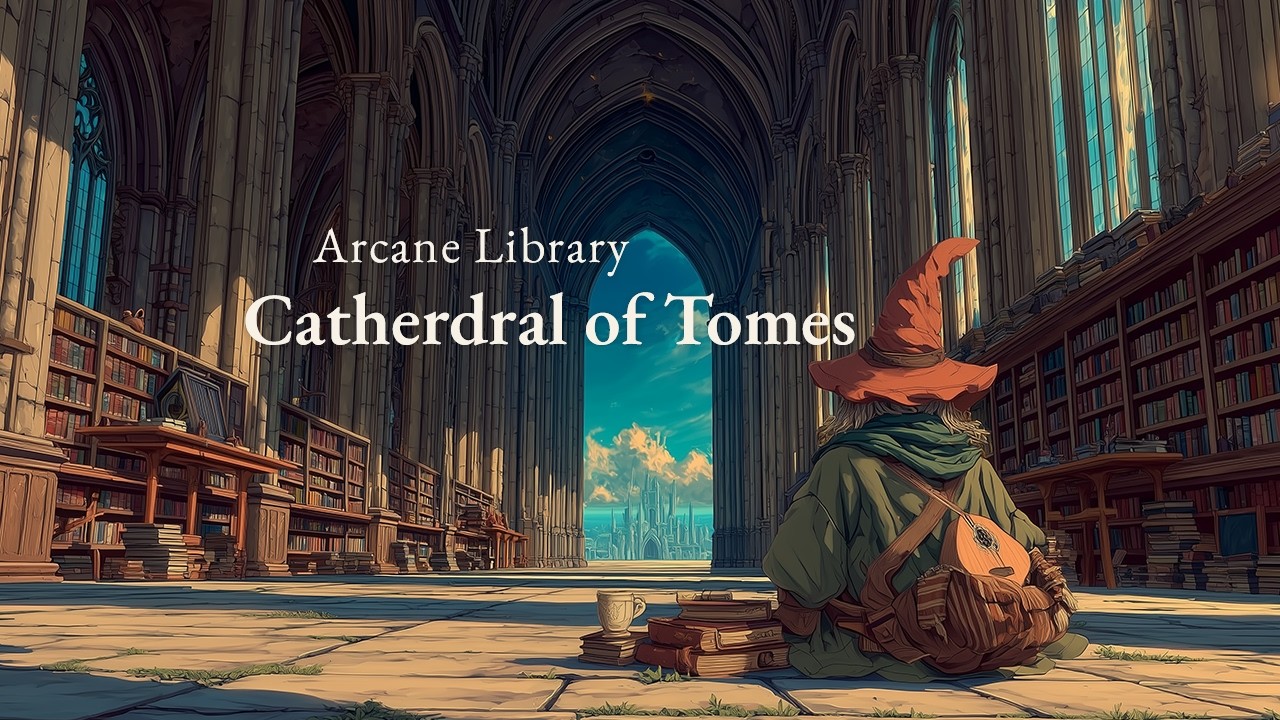
I wrote a theme for The Name of the Wind
Автор: Elias M. W.
Загружено: 2026-02-16
Просмотров: 40
Описание:
'"Words are pale shadows of forgotten names. As names have power, words have power. Words can light fires in the minds of men. Words can wring tears from the hardest hearts."' (From Chapter 86 of The Name of the Wind, Patrick Rothfuss)
In the rural Waystone Inn, Kote slowly goes about his daily tasks, cleaning glasses, making beds, preparing food and pouring drinks. But after the tumultuous arrival of a scribe named Chronicler, Kote reveals himself to be the famous Kvothe: master musician, expert swordfighter, and powerful Arcanist. Barely a shadow of his former self and unable to perform even the most basic magic, Kvothe is in hiding, having played a role in starting the civil war that now covers the continent. At the request of his pupil, Bast, and Chronicler, Kvothe tells his life's story. His tale spans decades; from his childhood as one of the nomadic Edema Ruh performing music and plays; to his wandering the forests with nothing but his father's lute after a deadly confrontation with the demonic Chandrian; to his years begging and thieving on the streets of Tarbean; to his fateful meeting of the mysterious Denna; and finally to his admittance to the University, where he begins to unravel the secrets of the magical Sympathy, Metalworking, and Naming. Through it all, Kvothe seeks the power and fame of the legendary Taborlin the Great, who knew the elusive true name of the wind and could bend it to his will.
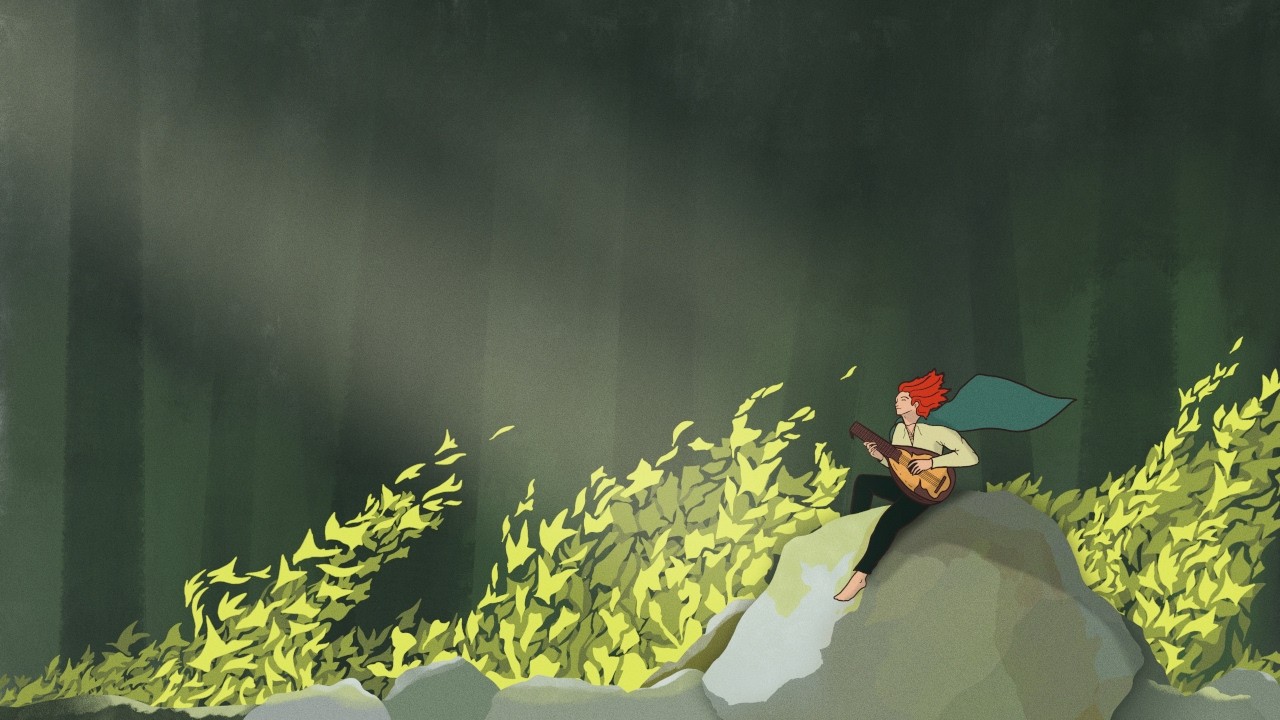
When I began this piece of music, I knew I wanted to capture Kvothe's hunt for the name of the wind. The strings begin by playing short, quick notes, setting the tone for a chase. The leading melody is then played on a whistle (representing the wind), while a renaissance lute (representing Kvothe) desperately tries to follow along behind it. But just as the lute gets close and takes on the melody, it spins away again, changing its form and tone. In additional to this central chase dynamic, I also wanted most of the piece to feel heroic and grandiose, almost to the point of cliché, just like Kvothe's own imagining of himself as a new version of Taborlin the Great. In direct contrast, the end of the piece moves into a slow, regretful interpretation of the theme on nylon guitar, mirroring the lethargic, ashamed Kote in his empty inn.
I wrote this piece using the virtual orchestral libraries from @spitfireaudiollp and @EWQLTutorials should I write next? Let me know in the comments!
Subscribe to my channel: / @elias.m.w
Are you interested in collaborating on your video, short film, feature-length movie, series, or game? Kindly send enquiries to: [email protected]
Повторяем попытку...
Доступные форматы для скачивания:
Скачать видео
-
Информация по загрузке:






![[playlist] 지도에는 없는 곳, 고대 숲속의 비밀스러운 마을 🌿 | Medieval Fantasy Music](https://imager.clipsaver.ru/rMF-JyqViMM/max.jpg)