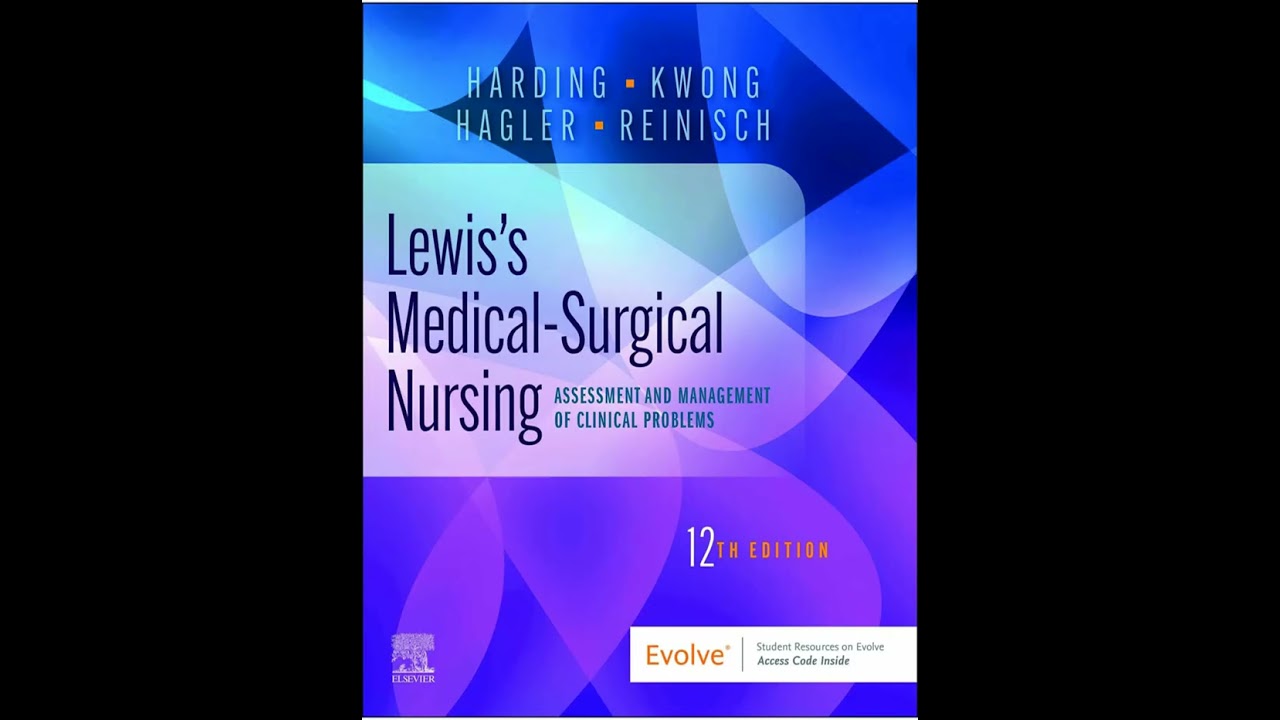
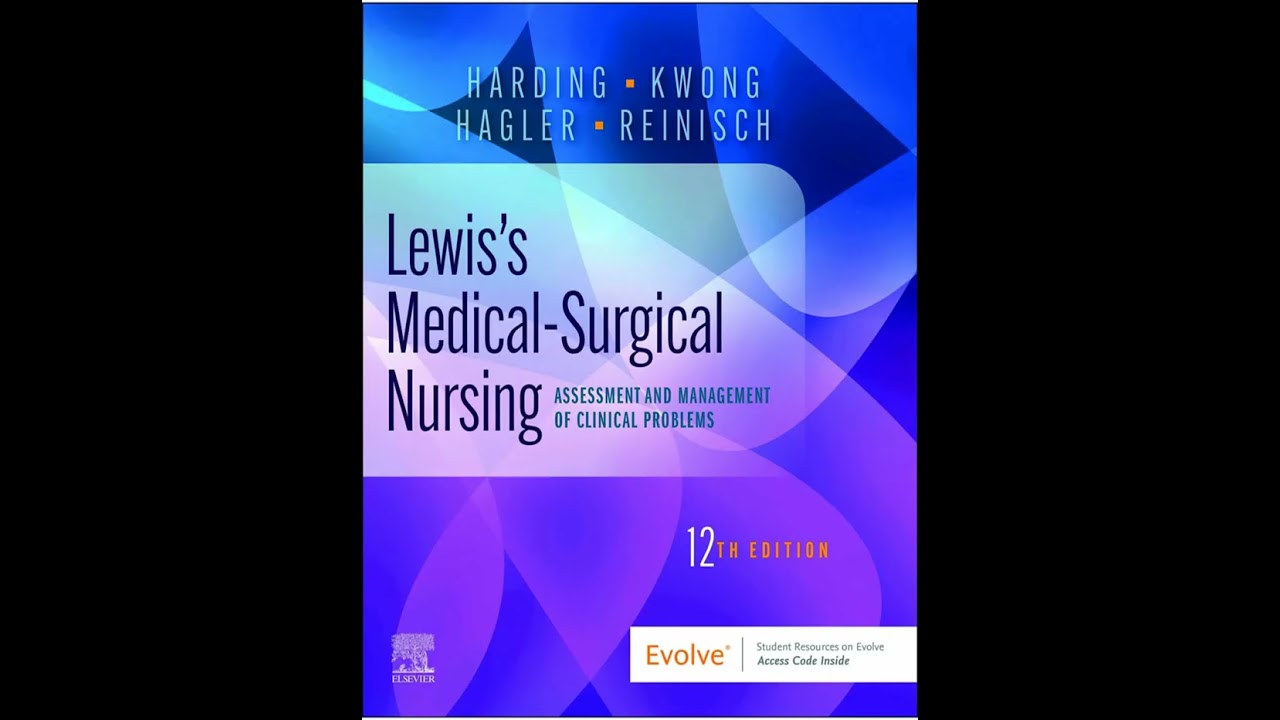
Infection Prevention & Management | Chapter 15 – Lewis’s Medical-Surgical Nursing (12th)
Автор: Last Minute Lecture
Загружено: 2025-08-27
Просмотров: 550
Описание:
Chapter 15 of Lewis’s Medical-Surgical Nursing: Assessment and Management of Clinical Problems (12th Edition) explores the principles of infection control, emerging diseases, antimicrobial resistance, health care–associated infections (HAIs), and HIV infection. It begins by defining infection as the invasion and multiplication of pathogens such as bacteria, viruses, fungi, protozoa, or prions, and distinguishes localized, disseminated, and systemic infections. Epidemiology concepts such as incidence, prevalence, endemic, epidemic, and pandemic are introduced, with COVID-19 highlighted as a modern pandemic.
Types of pathogens include:
🦠 Bacteria – classified by shape (cocci, bacilli, curved rods, spirochetes), causing diseases such as TB, tetanus, and syphilis.
🧬 Viruses – RNA or DNA particles requiring host cells (e.g., influenza, HIV, COVID-19).
🍄 Fungi – causing local (ringworm, candidiasis) or systemic infections in immunocompromised hosts.
🦠 Protozoa – parasites like Plasmodium malariae causing malaria.
🌀 Prions – misfolded proteins causing neurologic disorders like Creutzfeldt-Jakob disease.
Emerging and reemerging infections (COVID-19, Ebola, Zika, H1N1, Lyme disease) are driven by zoonosis, antimicrobial resistance, and reduced vaccination rates. Antimicrobial resistance is explained through MRSA, VRE, and CRE, with factors such as overprescription, misuse, and nonadherence contributing to resistance. Health care–associated infections (HAIs) such as CAUTIs, CLABSIs, SSIs, MRSA, and C. difficile affect 1 in 25 hospitalized patients, but prevention is possible with bundles, hand hygiene, PPE, and aseptic technique.
Nursing management of infection emphasizes risk factor assessment, early recognition of symptoms, antimicrobial therapy (antibiotics, antivirals, antifungals), supportive care (nutrition, fluids, fever reduction), and patient/caregiver teaching to prevent resistance. Nurses must apply standard precautions universally and transmission-based precautions (airborne, droplet, contact) when indicated.
COVID-19 is explained in depth, including transmission via ACE2 receptors, viral variants, incubation, manifestations (from asymptomatic to critical illness), complications (ARDS, MODS, thromboembolic events), diagnostic testing (RT-PCR, antigen, antibody), treatments (remdesivir, monoclonal antibodies, corticosteroids, tocilizumab), vaccination (mRNA and viral vector), and post-acute syndrome (“long COVID”).
The second half of the chapter focuses on Human Immunodeficiency Virus (HIV) infection. HIV is a retrovirus targeting CD4 T cells, causing progressive immunosuppression. Transmission occurs via blood, semen, vaginal secretions, and breast milk; not through casual contact. Pathophysiology includes viral fusion, reverse transcription, integration, and protease-mediated replication, leading to CD4 destruction.
The course of HIV includes:
✨ Acute infection – mononucleosis-like syndrome, high viral load, most infectious stage.
😷 Chronic asymptomatic infection – years of low-level replication, patients may be unaware.
🩸 Symptomatic infection – CD4 less than 500, increased opportunistic infections (thrush, shingles, herpes, Kaposi sarcoma).
⚠️ AIDS – CD4 less than 200 or AIDS-defining illnesses (PCP, CMV, TB, toxoplasmosis, KS, opportunistic cancers, wasting syndrome).
HIV diagnosis uses antibody/antigen testing, viral load, CD4 count, genotype/phenotype resistance testing. Antiretroviral therapy (ART), combining drugs from different classes (NRTIs, NNRTIs, PIs, integrase inhibitors, entry inhibitors, fusion inhibitors), suppresses viral replication, increases CD4 counts, prevents transmission, and reduces mortality. Principles include strict adherence, combination therapy, and monitoring side effects. Prevention includes safe sex, harm reduction for IV drug users, PrEP, and PEP.
Nursing management of HIV involves risk assessment, education, counseling, promoting adherence, managing symptoms, preventing opportunistic infections, supporting coping, and addressing stigma and discrimination. Nurses also play a vital role in psychosocial support, gerontologic care, and end-of-life care for patients with advanced disease.
📘 Read full blog summaries for every chapter:
https://lastminutelecture.com
📘 Have a book recommendation? Submit your suggestion here:
https://forms.gle/y7vQQ6WHoNgKeJmh8
Thank you for being a part of our little Last Minute Lecture family!
Lewis’s Medical-Surgical Nursing Chapter 15 summary, infection and HIV infection explained nursing, Harding Kwong Hagler Reinisch textbook, emerging infections COVID-19 Ebola Zika Lyme disease, antimicrobial resistance MRSA VRE CRE nursing, healthcare-associated infections CLABSI CAUTI SSI C. difficile, standard precautions and transmission-based precautions, nursing infection control PPE OSHA guidelines, COVID-19 pathophysiology ACE2 ARDS MODS cytokine storm
Повторяем попытку...

Доступные форматы для скачивания:
Скачать видео
-
Информация по загрузке: