Emotion and Psychotherapy
Автор: Cornerstone Psychological Services
Загружено: 2014-08-14
Просмотров: 7388
Описание:
People often have a difficult time expressing themselves in counselling or therapy - especially when it comes to how they feel. As a result, many psychotherapy clients get more than a little annoyed when their psychologist asks the dreaded question: “how did that make you feel?”
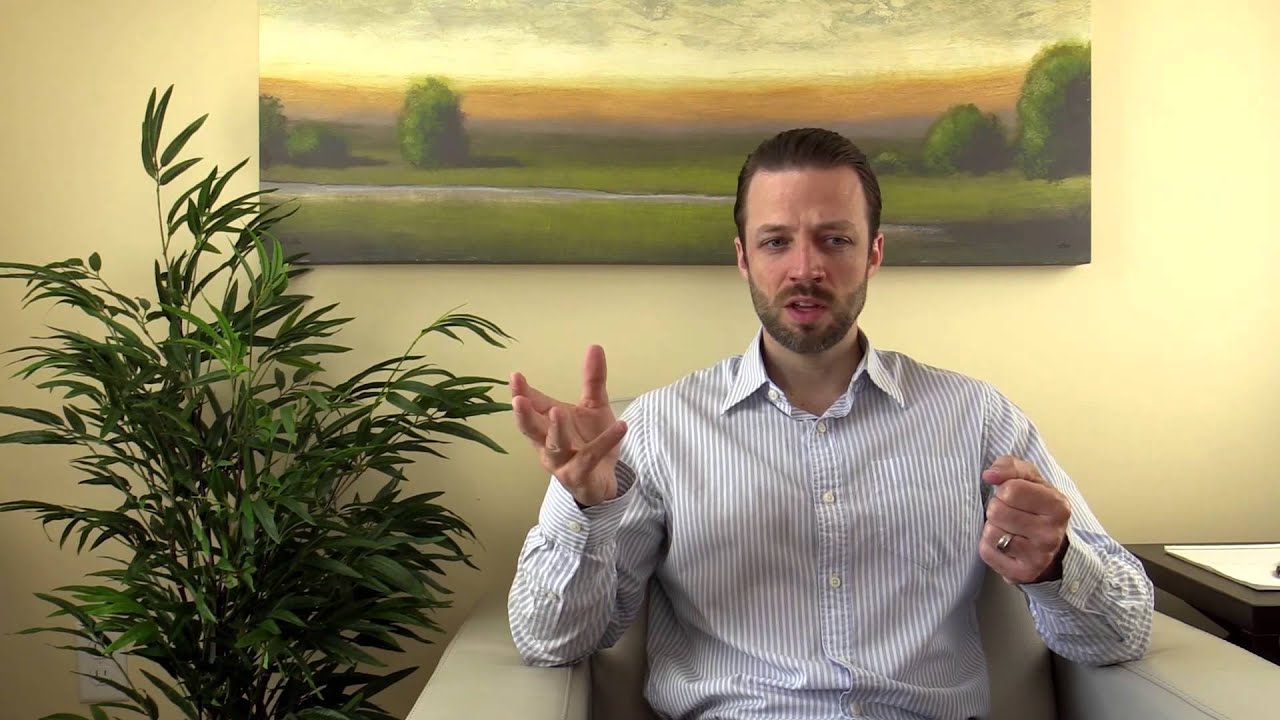
In this video, I try to help potential clients understand a bit more about what we psychologists are looking for when we ask the question. I suggest that there are effectively ‘3 parts’ to exploring an emotion.
The first part is the language-based symbolic label. Examples might include: “sadness,” “anger,” “shame,” “guilt,” “joy,” “despair,” and so on. Note that the labels themselves are based on convention and culture, so the words we use are somewhat arbitrary or contingent. Also note that I can use a ‘feeling word’ and not actually feel the emotion physically in my body. For this reason, if a psychologist senses that there is no ‘connection’ to the feeling, he or she may press further (i.e. beyond the ‘label’).
The second part of an emotion involves the subjective or first person experience of an emotion – what it ‘feels like.’ In other words, if I were to somehow get inside your body, either right now, or at the time that you felt this emotion, what would I be experiencing? For example, sadness tends to feel like heaviness in the chest, physical deflation, and an urge to become tearful. In contrast, anger will often feel like a warm sensation in the belly and chest, a sense of physiological agitation and expansion, and feeling strong in one’s body. This is arguably the most important part of an emotion, in the sense of wanting to explore it or understand its purpose in the individual’s life.
The third part of an emotion is closely linked to the second, involving the primary ‘impulse’ belonging to the feeling. In other words, if that feeling, had full control of your body, what would it want to do? For example, sadness tends to cause us to want to physically sink or collapse, while anger usually has an impulse that wants to lash-out or aggressively hit or grab someone or something.
When we explore emotions in therapy, the psychologist will usually invite the client to explore these three angles of ‘getting at’ an emotion that might be relevant to the client’s presenting concerns. I hope that this video will help people think about the different ways to express an emotion in therapy.
If you found this video helpful, please take a moment to subscribe to our channel.
CPS YouTube Channel: / halifaxpsychologists
CPS Mental Health Blog: http://www.cornerstoneclinic.ca/blog/
CPS Facebook: / cornerstonepsychologicalservices
Brad Peters' Website: http://www.bpeters.ca/
Our video content is intended for general public use and knowledge. We have the best of intentions in doing so, and derive our information from material thought to be reliable, valid, and supported by relevant research at the time of production. However, it is ultimately the responsibility of the viewer to assess and evaluate this information, and the statements provided, in light of their own situation or individual circumstances.
We offer information that is both general and broad; it is not intended to, nor should, replace a qualified mental health practitioner who is able to make judgments and decisions based on first-hand knowledge of an individual and their situation.
Повторяем попытку...
Доступные форматы для скачивания:
Скачать видео
-
Информация по загрузке: