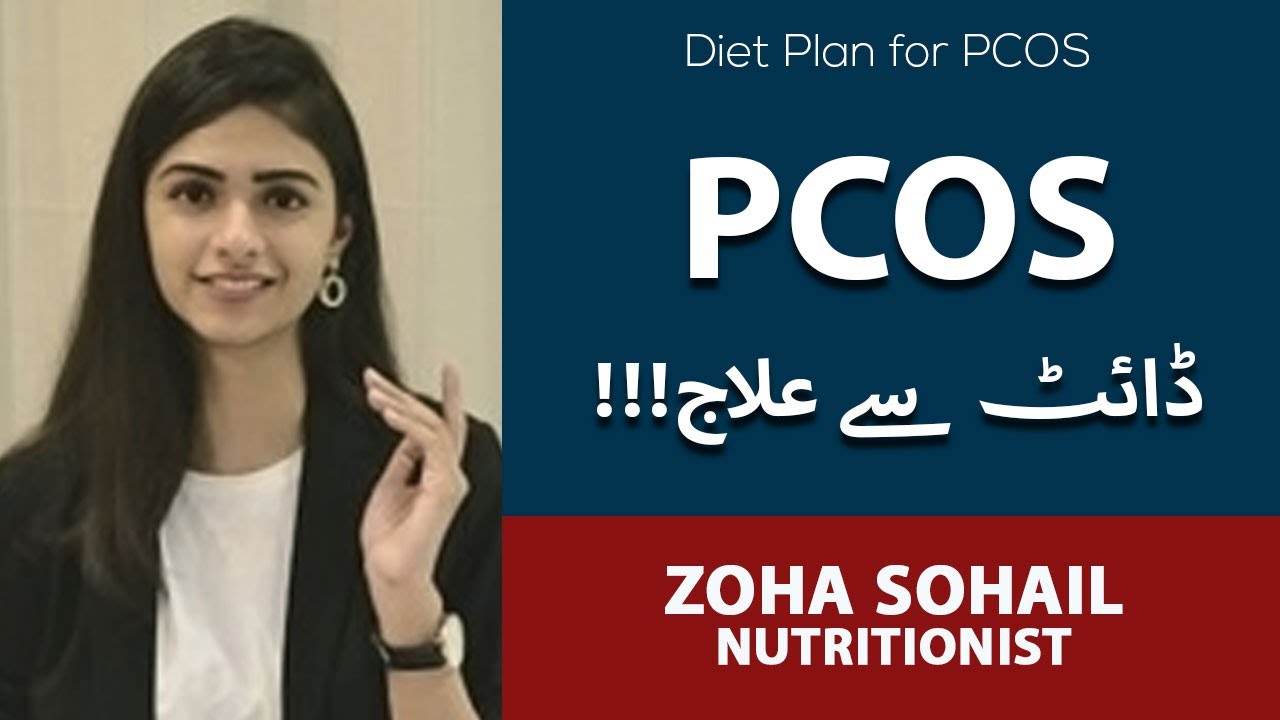
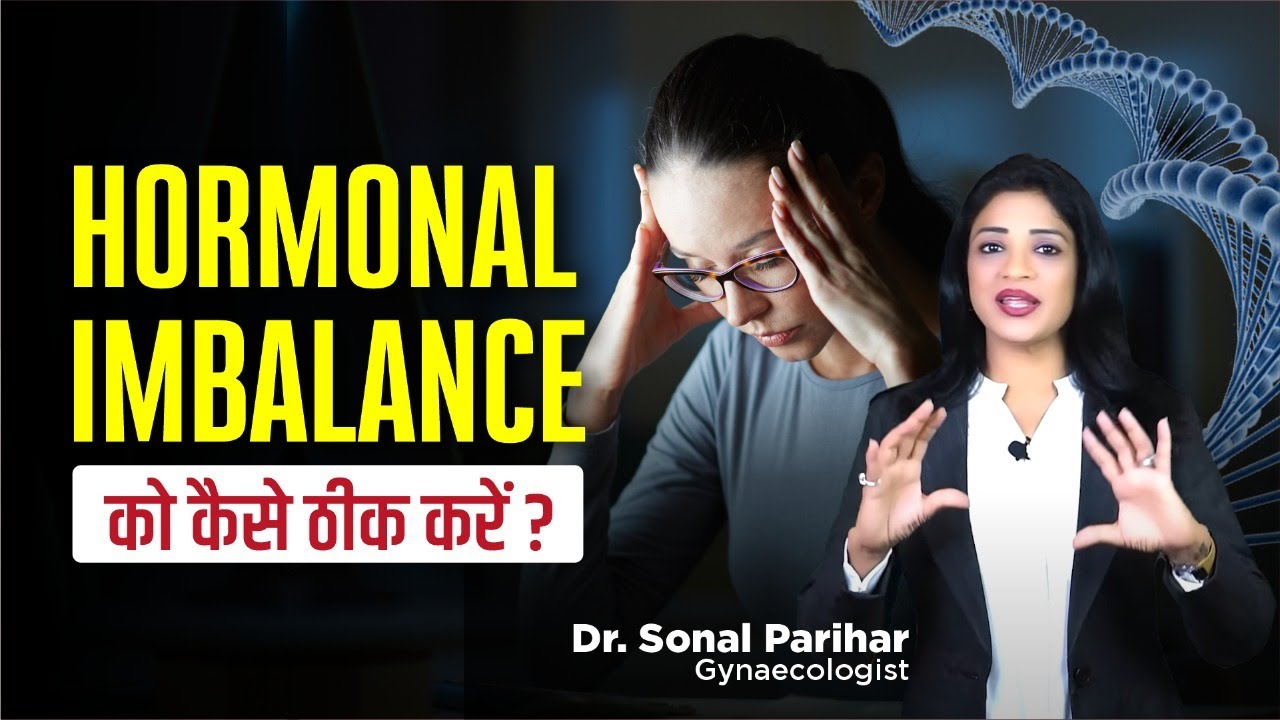
PCOS Symptoms and Treatment | PCOS Diet | PCOS Weight Loss | Urdu/Hindi
Автор: Usman Ali Fitness
Загружено: 2020-05-13
Просмотров: 46289
Описание:
Polycystic ovary syndrome (PCOS), also known as polycystic ovarian syndrome, is a common health problem caused by an imbalance of reproductive hormones. The hormonal imbalance creates problems in the ovaries. The ovaries make the egg that is released each month as part of a healthy menstrual cycle. With PCOS, the egg may not develop as it should or it may not be released during ovulation as it should be.
What causes PCOS?
High levels of androgens.
Androgens are sometimes called "male hormones," although all women make small amounts of androgens. Androgens control the development of male traits, such as male-pattern baldness. Women with PCOS have more androgens than normal. Higher than normal androgen levels in women can prevent the ovaries from releasing an egg (ovulation) during each menstrual cycle, and can cause extra hair growth and acne, two signs of PCOS.
High levels of insulin.
Insulin is a hormone that controls how the food you eat is changed into energy. Insulin resistance is when the body's cells do not respond normally to insulin. As a result, your insulin blood levels become higher than normal. Many women with PCOS have insulin resistance, especially those who have overweight or obesity, have unhealthy eating habits, do not get enough physical activity, and have a family history of diabetes (usually type 2 diabetes). Over time, insulin resistance can lead to type 2 diabetes.
Obesity is a major cause of insulin resistance. Both obesity and insulin resistance can increase your risk for type 2 diabetes
Inflammation
Women with PCOS often have increased levels of inflammation in their body. Being overweight can also contribute to inflammation. Studies have linked excess inflammation to higher androgen levels
• Irregular periods. A lack of ovulation prevents the uterine lining from shedding every month. Some women with PCOS get fewer than eight periods a year.
• Heavy bleeding. The uterine lining builds up for a longer period of time, so the periods you do get can be heavier than normal.
• Hair growth. More than 70 percent of women with this condition grow hair on their face and body including on their back, belly, and chest. Excess hair growth is called hirsutism.
• Acne. Male hormones can make the skin oilier than usual and cause breakouts on areas like the face, chest, and upper back.
• Weight gain. Up to 80 percent of women with PCOS are overweight or obese.
• Male-pattern baldness. Hair on the scalp gets thinner and fall out.
• Darkening of the skin. Dark patches of skin can form in body creases like those on the neck, in the groin, and under the breasts.
• Headaches. Hormone changes can trigger headaches in some women.
Diabetes. More than half of women with PCOS will have diabetes or prediabetes (glucose intolerance) before the age of 40.
Metabolic syndrome
Up to 80 percent of women with PCOS are overweight or obese. Both obesity and PCOS increase your risk for high blood sugar, high blood pressure, low HDL (“good”) cholesterol, and high LDL (“bad”) cholesterol.
Together, these factors are called metabolic syndrome, and they increase the risk for heart disease, diabetes, and stroke.
Infertility.
PCOS is one of the most common causes of female infertility. Many women discover they have PCOS when they're trying to get pregnant and are unsuccessful.
Sleep apnea
Depression
Natural Ways to Help Treat Polycystic Ovary Syndrome (PCOS)
Causes of PCOS are complicated, but insulin resistance and hormone regulation are key factors.
You may be able to manage these factors and ease your symptoms through lifestyle changes and dietary supplements, but there’s no one-size-fits-all approach to treatment.
You should always talk with your doctor before you try any alternative treatment. They can discuss possible dosage, side effects, and interactions.
Eating the right foods and avoiding certain ingredients may help you manage your symptoms. A nourishing diet can help regulate your hormones and your menstrual cycle. Eating processed, heavily preserved foods can contribute to inflammation and insulin resistance.
It’s all about whole foods
Balance carb and protein intake
Aim for anti-inflammatory
Aim for anti-inflammatory
Up your iron intake
Up your magnesium intake
Cut out coffee
Cinnamon
Turmeric
Zinc
Combined vitamin D and calcium
Maintain a healthy weight
Balance your exercise
Practice good sleep hygiene
Reduce stress
PCOS can disrupt a woman’s menstrual cycles and make it harder to get pregnant. High levels of male hormones also lead to unwanted symptoms like hair growth on the face and body.
Lifestyle interventions are the first treatments doctors recommend for PCOS, and they often work well. Weight loss can treat PCOS symptoms and improve the odds of getting pregnant. Diet and aerobic exercise are two effective ways to lose weight.
Instagram: / usman.ali.f. .
Facebook: / fitness.usman
#usmanalifitness #pcos #pcosweightloss
Повторяем попытку...

Доступные форматы для скачивания:
Скачать видео
-
Информация по загрузке:



![PCOS Exercise To Lose Weight [At Home]](https://imager.clipsaver.ru/8ZlNU6NXyrk/max.jpg)