Sumerian Tablets of Ancient Mesopotamia
Автор: Daily Dose Documentary
Загружено: 2023-05-09
Просмотров: 4772
Описание:
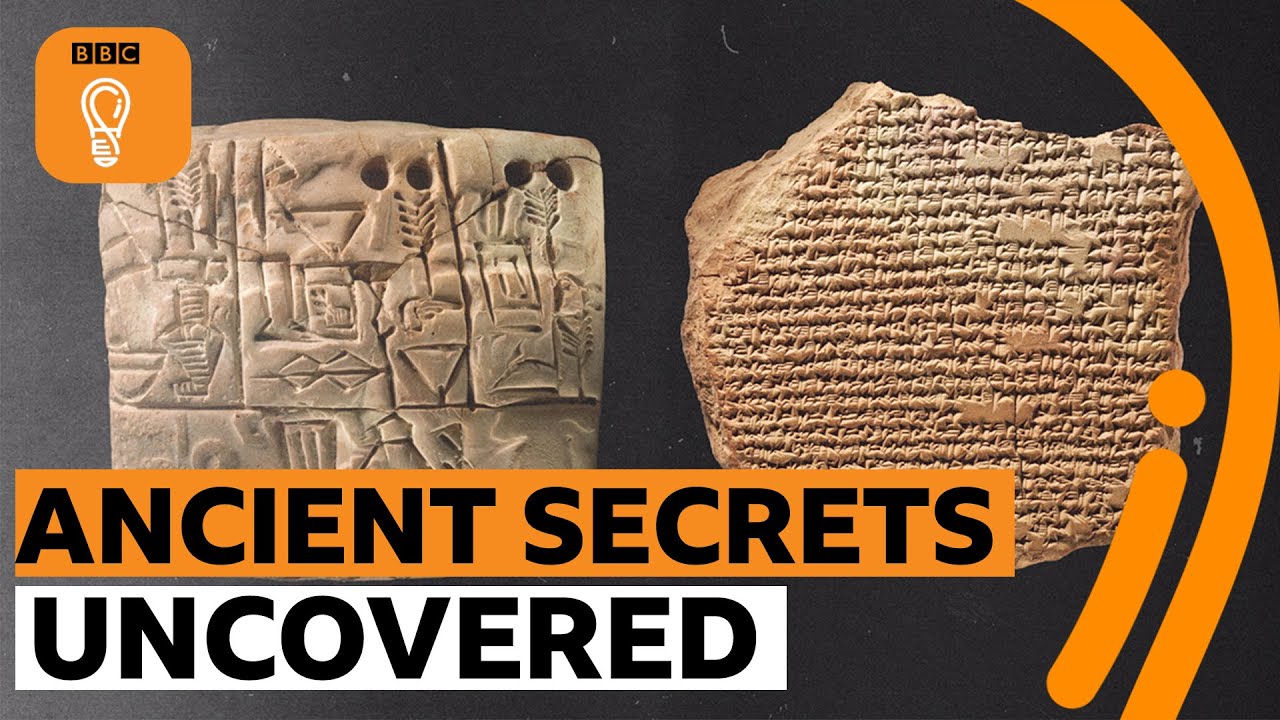
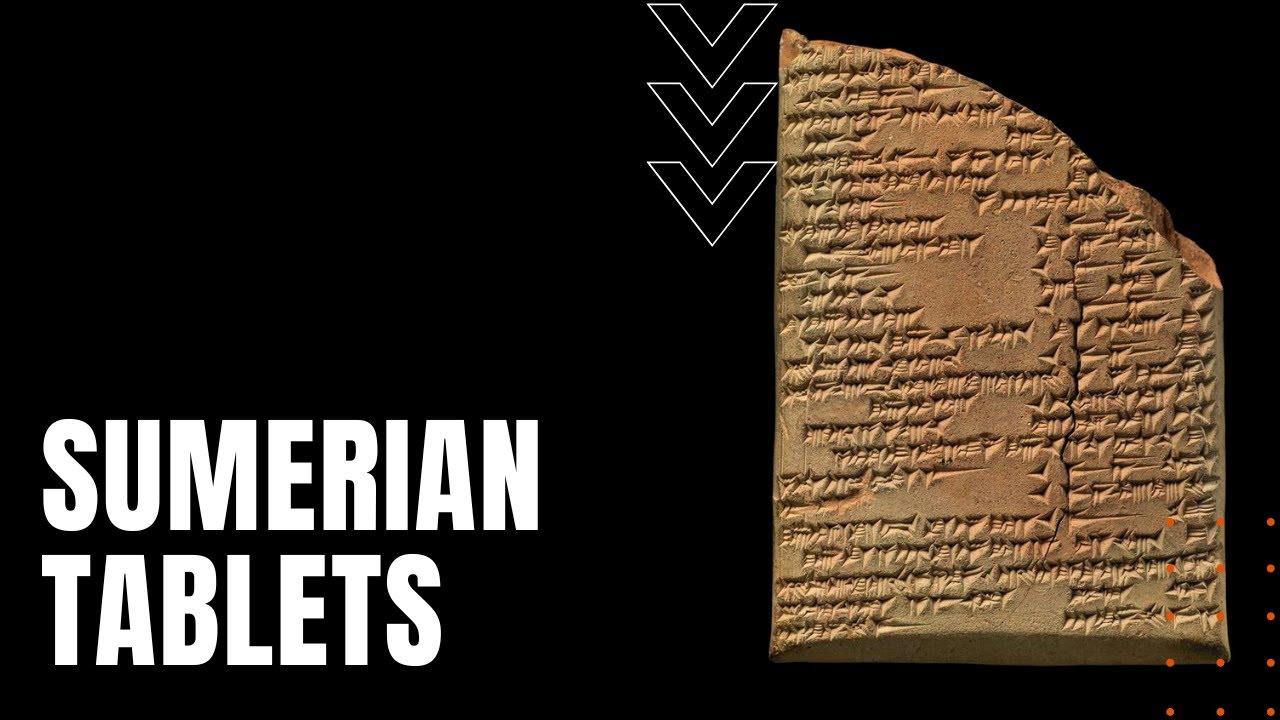
Sumerian tablets are ancient clay tablets from Mesopotamia, containing early forms of writing and records of myths, history, and daily life.
The Daily Dose provides microlearning history documentaries like this one delivered to your inbox daily: https://dailydosedocumentary.com
We strive for accuracy and unbiased fairness, but if you spot something that doesn’t look right please submit a correction suggestion here: https://forms.gle/UtRUTvgMK3HZsyDJA
Learn more: https://dailydosedocumentary.com/sume...
Subscribe for daily emails: https://subscribe.dailydosenow.com/
Become a Patron: / dailydosenow
Follow us on social media:
Twitter: / thedailydose18
Facebook: / thedailydosenow
Click to subscribe on YouTube: https://www.youtube.com/c/DailyDoseDo...
#documentary #history #biography
Today's Daily Dose short history film covers Sumerian Tablets of Ancient Mesopotamia, which comprises the oldest known written language of man. The filmmaker has included the original voice over script to further assist your understanding:
Today on The Daily Dose, Sumerian Tablets of Ancient Mesopotamia.
Meaning “two rivers” in Greek, ancient Mesopotamia or the fertile crescent was a region that flourished for 10,000 years, between the Tigris and Euphrates Rivers, spanning much of today’s Middle Eastern nations. During the fourth millennium B.C., the Sumerians in the southeastern part of Mesopotamia, developed the oldest known written language using a Sumerian script known as cuneiform. Comprised of wedge-shaped characters believed to have originated in 8000 B.C., initially the script took the form of pictograms on small clay tokens, which were used to graphically represent the exchange of goods and livestock as trade spread throughout the city-states of the region.
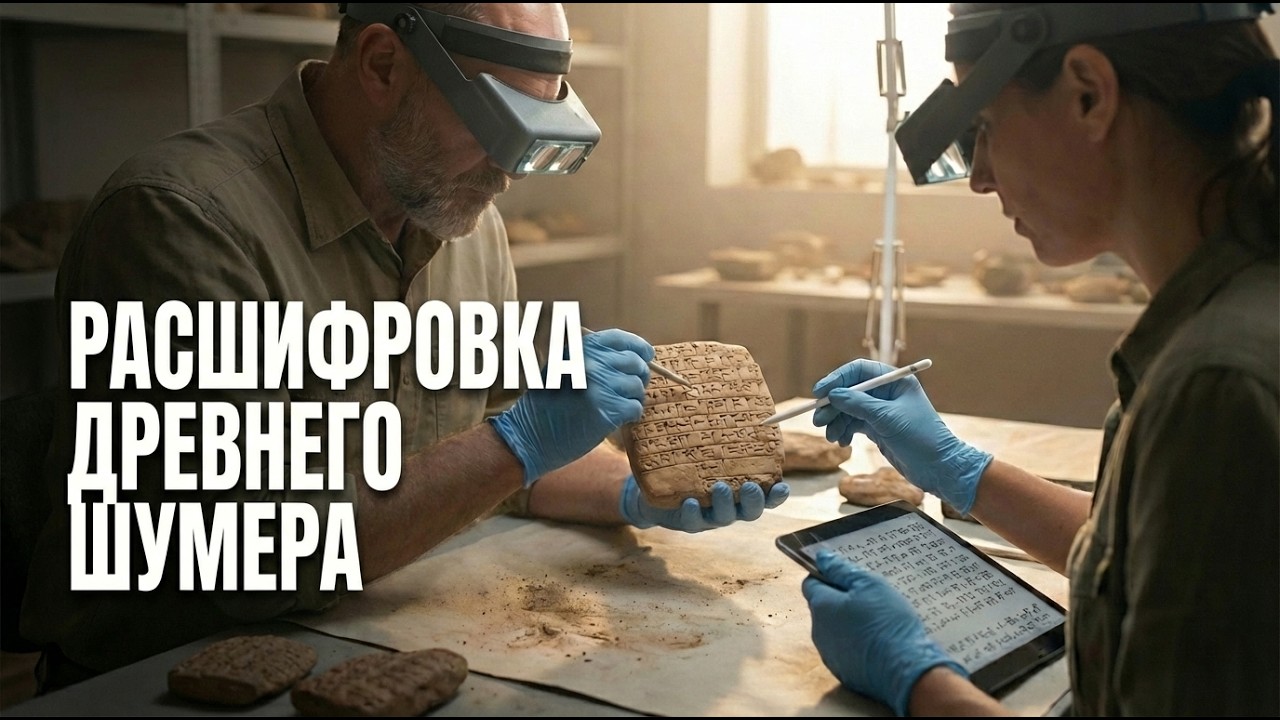
In a crossover evolution of language first deduced by French archaeologist Denise Schmandt-Besserat in the 1970s, over the course of many millennia, cuneiform tokens evolved into a writing form, incorporating the first use of an alphabet. Merchant and courtly scribes used tablets made of clay, inscribing their moist surface with a variety of materials, including stone, metal and wood, before setting a finished tablet face up to harden in the sun. Most Sumerian tablets could be recycled by soaking them in water to form new blank tablets, although the ones that have survived into modern times were fired in kilns to create a permanent record.
Used widely by a number of competing Mesopotamian city-states, including the Akkadian, Elamite and Hittite tribes, the name cuneiform was first applied to the ancient script by Engelbert Kämpfer in 1700, while German scholar George Friedrich Grotefend made the first successful translation of the Sumerian cuneiform language in 1892. Considered a language isolate, which means there is no current comparable language in use, some 500,000 to two million Sumerian tablets have been unearthed in the Fertile Crescent, with only a small number fully translated to this day. The last dated cuneiform text has been carbon dated to sometime around 75 A.D., although many scholars believe that the script continued to be used intermittently until sometime around 300 A.D., making Sumerian tablets and cuneiform script, a weighty precursor to the discovery of paper.
And there you have it, Sumerian tablets of ancient Mesopotamia.
Повторяем попытку...
Доступные форматы для скачивания:
Скачать видео
-
Информация по загрузке: