The Sumerian Tablet That Describes a World Before the Flood
Загружено: 2026-03-06
Просмотров: 17308
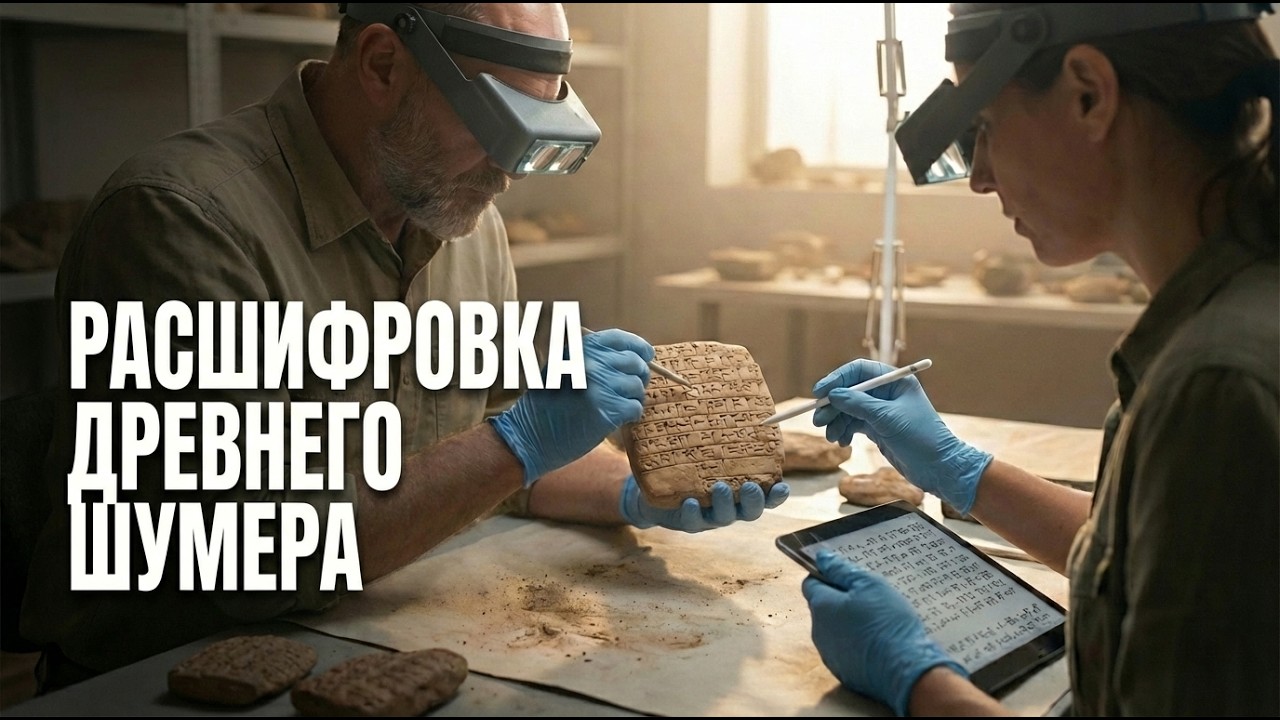
Описание: There is a clay tablet in the collection of the Penn Museum in Philadelphia. It was excavated from the ruins of Nippur in the late nineteenth century, and it is badly damaged. Two thirds of it are gone. What remains is the lower third, six columns of cuneiform pressed into wet clay by a Babylonian scribe somewhere around sixteen hundred years before the common era, though the story it carries is considerably older than that. Scholars who have studied it describe it as the oldest surviving version of the flood myth in the Sumerian language. It describes the creation of humans, the founding of the first cities, the decision of the gods to destroy humanity with water, and the survival of one man who built a boat. These things are known and discussed and categorized. But the tablet also contains something that receives less attention. Before the flood, in the sections that survive, it describes a world. A specific world. An organized world, with cities and temples and kings and divine advisors, with laws and grain and the measured allocation of everything necessary for a civilization to function. And that world is described, in the texts that surround and inform this tablet, with a particular kind of grief. Not the grief of the flood itself. The grief of what the flood took that could not be rebuilt afterward. You do not find this grief by reading the tablets quickly. You find it by sitting with what the texts say happened after. How the advisors changed. How the reigns shortened. How the numbers collapsed. How the language shifted, almost imperceptibly, from divine to human. How a civilization spent the next two thousand years insisting that it was living in the diminished aftermath of something that had been better. Perhaps that insistence means nothing. Perhaps it is the universal human habit of imagining a golden age that never existed, of projecting loss backward onto a past that was simply different rather than superior. Or perhaps the Sumerians were describing something they genuinely understood to be gone. The tablet in Philadelphia does not settle this question. But there is another text, older than that tablet, that adds something the flood narrative does not have. The voice of a man standing on the threshold. Speaking to the person who will cross it.
Повторяем попытку...

Доступные форматы для скачивания:
Скачать видео
-
Информация по загрузке: