How To Cycle Your Aquarium With Ramshorn Snails! (Walstad And Aquasoil Friendly)
Автор: Glass Box Diaries
Загружено: 2025-06-12
Просмотров: 4320
Описание:
🛒 Check Out My Product Review Videos On Amazon – https://glassboxdiaries.com/amazonpage
(Affiliate Links - I Get A Commission From Qualifying Purchases)
The Dark Start Cycling Method - • How To Easily Cycle A Fish Tank And Keep Y...
MY YOUTUBE PLAYLISTS
🐟 Walstad Method Aquariums - • Walstad Method Dangers To Avoid When Build...
🐡 Care Guides - • Guppy Care Guide - Tank Setup, Water Param...
🌿 Aquarium Plants - • The Best Cold Water Aquarium Plants For Un...
🦐 Shrimp Keeping - • A Reality Check On Breeding Shrimp For Pro...
How To Cycle Your Aquarium With Ramshorn Snails! (Walstad And Aquasoil Friendly)
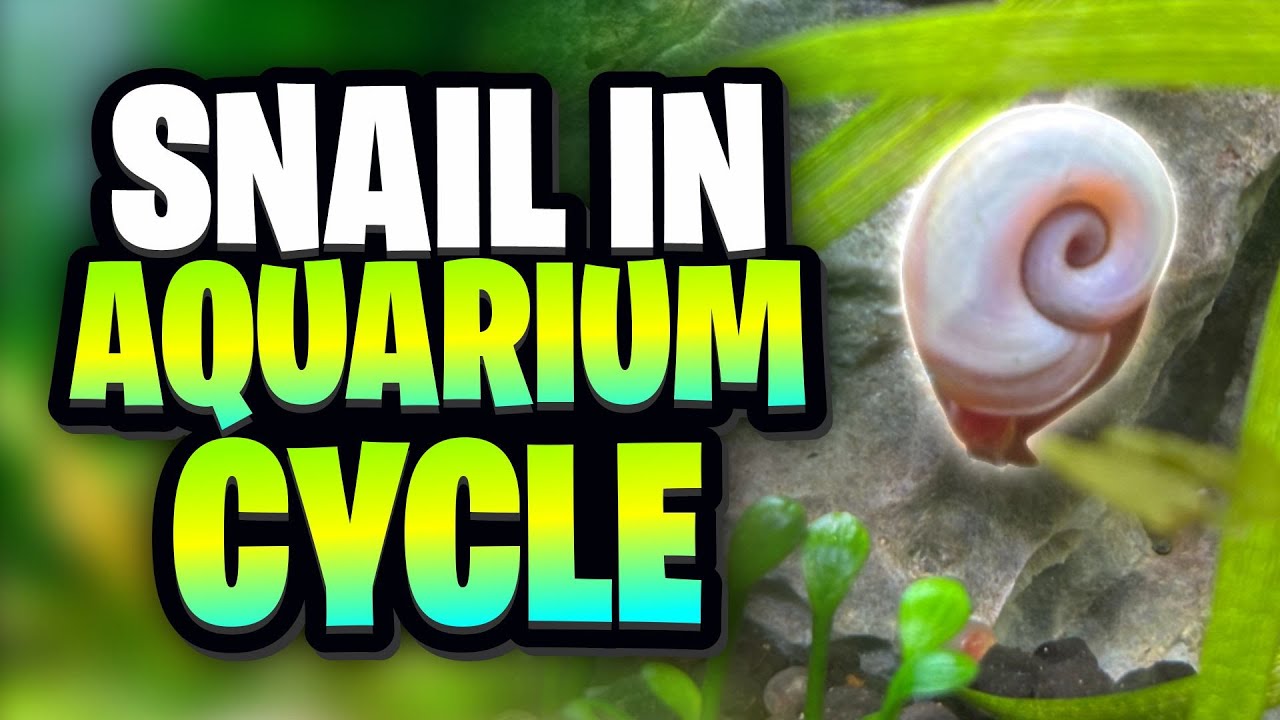
In today’s video, I’m sharing my personal experience with the snail-in cycle—a method of cycling an aquarium using Ramshorn snails instead of bottled ammonia or fish. I originally came across this method thanks to Shrimply Explained, and after testing it out in four different tanks, I’m now ready to share my honest thoughts on how effective it really is.
The idea behind the snail-in method is simple: by adding Ramshorn snails to a newly set-up fish tank and feeding them daily, you introduce a steady bioload that produces ammonia. This ammonia fuels the growth of beneficial microorganisms that make up the nitrogen cycle, ultimately establishing a healthy aquarium cycle. What surprised me most was how consistent the results were across all four tanks I tested—each one successfully cycled within four to eight weeks, with no crashes, even after I increased the stocking levels with shrimp and fish.
For those who are new to fishkeeping, understanding the nitrogen cycle is key. When waste breaks down in an aquarium—whether it’s uneaten food, fish waste, or decaying plants—it releases ammonia, a toxic compound that can harm aquatic life. Beneficial bacteria then step in, converting ammonia first into nitrite (also toxic) and then into nitrate, which is much less harmful and can be removed through water changes or absorbed by live plants. This process is known as cycling an aquarium, and it’s one of the most important steps in setting up any fish tank.
Ramshorn snails are particularly well-suited to this task. They’re incredibly hardy and have evolved to tolerate elevated ammonia levels, even reproducing in conditions that would be lethal to fish or shrimp. In fact, studies show that Ramshorn snails can survive in water with ammonia levels as high as 5 ppm—though in my tanks, levels stayed much lower thanks to careful feeding and regular water changes. I used both dirted tanks and setups with Fluval Stratum, and while ammonia spikes varied depending on the substrate, the overall process was consistent.
One of the advantages of the snail-in method is that you can start with a fully decorated tank. I added hardscape, plants, lighting, filters, and heaters from day one. This differs from methods like the dark start, where lights are left off and plants are usually added later. Having plants in the tank from the beginning not only stabilizes water parameters but also helps with early nutrient absorption and algae control.
To kick off the cycle, I added pink Ramshorn snails—anywhere from three to ten per tank—and fed them daily with small portions of food like Fluval Bug Bites or algae wafers. Over time, the snails began reproducing, increasing the bioload and further stimulating the growth of beneficial bacteria. I monitored ammonia, nitrite, and nitrate levels using a liquid test kit, and once both ammonia and nitrite remained at zero for several days while feeding continued, I considered each tank fully cycled.
Throughout the process, I found that keeping water temperature around 25°C (77°F) helped speed things up. I also did partial water changes every few days to keep ammonia levels from getting too high—especially in the tanks with capped dirt, which released more ammonia than the ones with aquasoil. Fast-growing plants like duckweed, Rotala, and Hygrophila were also helpful in keeping the tank stable during this period.
Once the aquarium cycle was complete, I introduced Neocaridina shrimp and small fish to the tanks, and everything remained stable. There was no crash, no ammonia spike, and no stress to the livestock. The beneficial bacteria had clearly adapted to the new bioload, and the ecosystem handled the transition effortlessly.
#aquarium #fishtank #fishkeeping
TIMESTAMPS
00:00 - Intro
00:40 - What Is The Aquarium Cycle
01:49 - Why Use Ramshorn Snails
03:01 - How To Do A Snail-In Cycle
08:17 - What Happened After The Cycle
09:49 - Tips For A Snail-In Cycle
11:33 - Snail-In Vs The Dark Start Method
Повторяем попытку...
Доступные форматы для скачивания:
Скачать видео
-
Информация по загрузке:


