How To Spot On The Trail | Harry Situations
Автор: Driving Line
Загружено: 2021-01-15
Просмотров: 69301
Описание:
Spotting On The Trail Is Like A Relationship
Trust and Effective Communication are Key
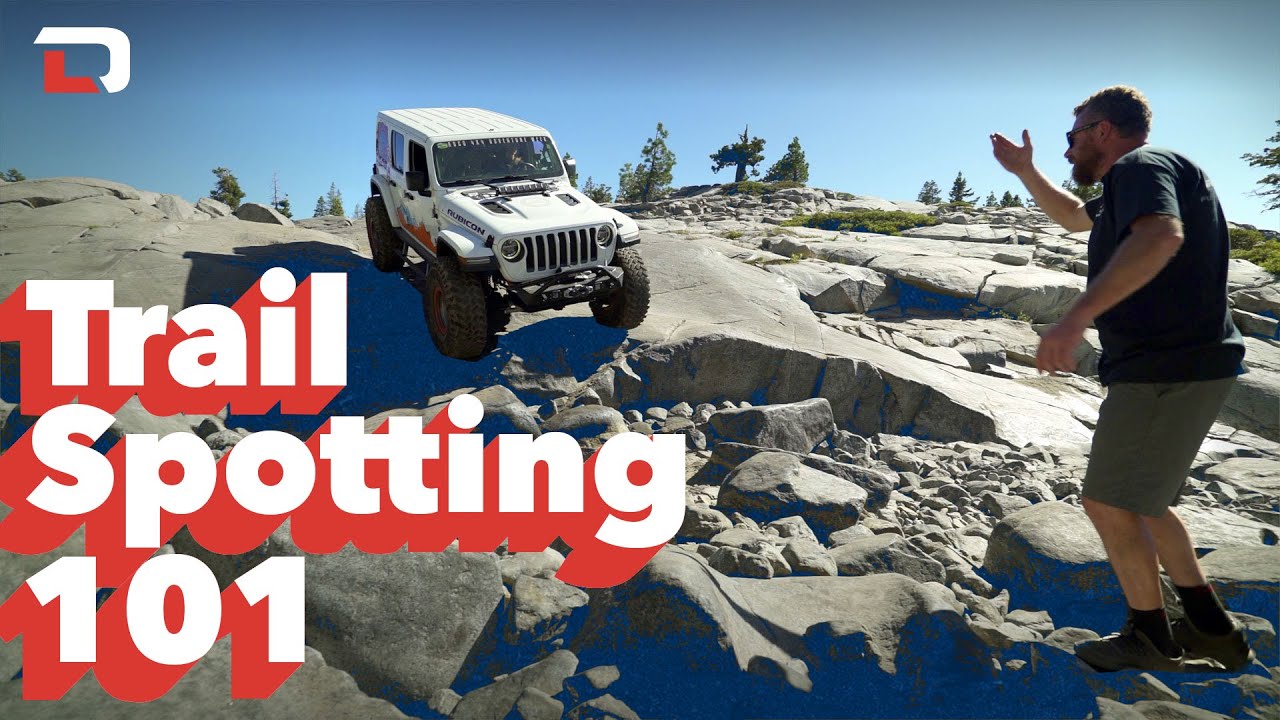
Driving off-road can be a challenge, and that is part of the appeal. But smashing sheetmetal and breaking parts isn’t nearly as appealing, so as the difficulty goes up so does the amount of time we rely on a spotter. Off-Road Spotting isn’t a passive secondary activity, since the driver often has no way to see the trail right in front of them. Spotting itself in an engaging part of wheeling since the spotter has to read the terrain and the vehicle and anticipate how it will react, then communication that information effectively and efficiently to the driver. A spotter outside of the vehicle can see things on the trail that the driver can’t, and a great spotter can transform a challenging obstacle into a mundane one.
Basic Hand Signals
Stop- Closed fist
Left/Driver- Point left
Right/Passenger- Point right
Back Up- Wave towards the driver
Inch Forward- Pinch fingers together
Winch In- Point thumbs together
Winch Out- Point thumbs outward
For more spotting recommendations visit: https://www.drivingline.com/articles/...
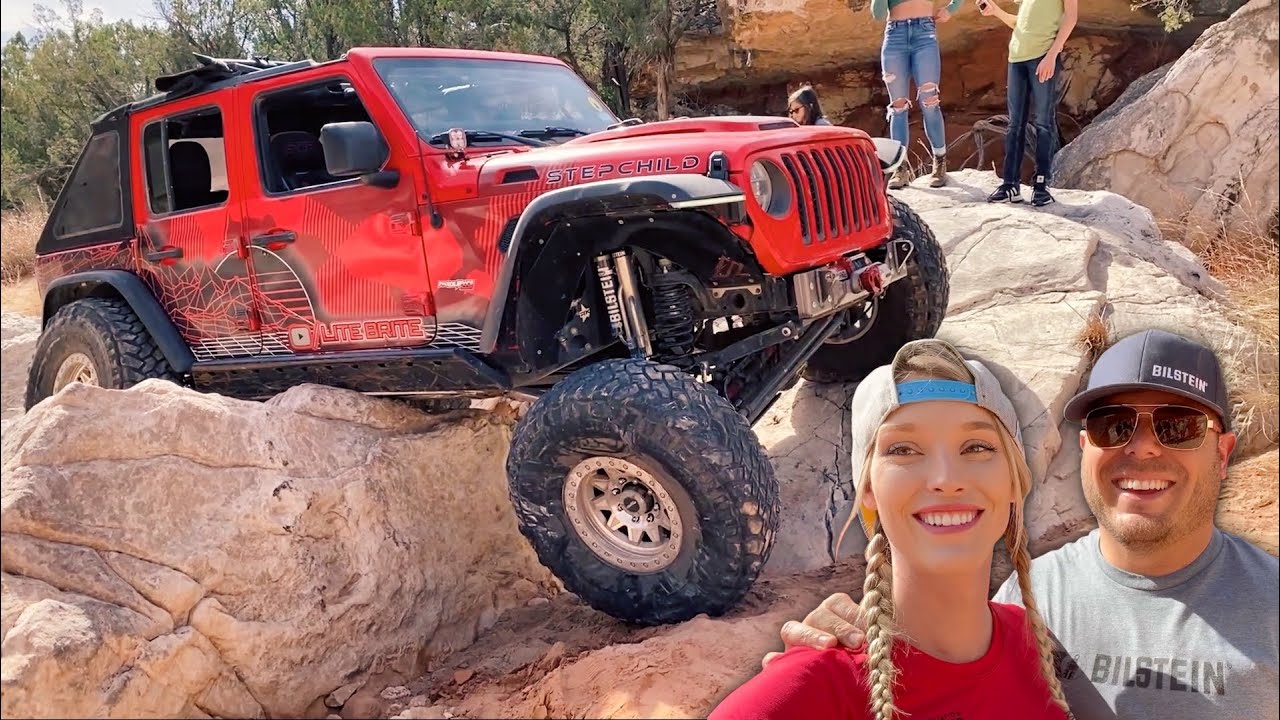
Ben Swain and Jaime Erickson are no strangers to the trail. The couple has been 4-wheeling together for years, including competing in the grueling King of the Hammers on multiple occasions. Typically, Ben is behind the wheel of the race car and Jaime is navigating, but on a recently trip we flipped the script and let Jaime drive the ROCO 4x4 Jeep Wrangler JL while Ben spotted for her. The two already have the biggest component of spotting in the bag: trust. You must trust your spotter and their abilities, that is why recommend asking your friends for help, rather than relying on a stranger. There are plenty of other nuances to effective communication on the trail though too.
Have One Spotter- Too many “suggestions”, often differing, can make a tough situation worse instead of better. Have one spotter and concentrate on only that person. If someone else can see something your spotter does not see, they should relay that information to the spotter, not the driver.
Spotting For Someone You Don’t Know- If you see someone struggling ask them if they would like some help before offering unsolicited advice. Also keep in mind that vehicles with different wheelbases, tire sizes, crawl ratios, weights, and widths will respond differently on the trail. A line that worked for your four door Wrangler isn’t necessarily the line that works for a Samurai.
Stacking Rocks- In some circles stacking rocks is considered passé. We don’t condone paving an otherwise challenging trail, but sometimes a strategically placed rock can make the difference between getting hung up on a differential and getting over an obstacle. Consider putting the rocks back where you found them if you are using multiple rocks to fill holes.
Use Hand Signals- Visual commands are easier for the driver to process and follow than verbal commands. “Rights” and “lefts” can be confusing with the spotter and driver facing each other, and if verbal commands are required “driver” and “passenger” work better than “left” and “right”. Note that hand signals don’t betray when the spotter is excited or worried as verbal commands do.
Drop a comment and let us know what you want to see next from Harry and Mike!
Subscribe: https://www.youtube.com/c/DrivingLine...
Follow us on Facebook: / drivingline
Follow us on Instagram: / drivingline
More Articles: https://www.drivingline.com/
Want to know the different features of the Nitto tires we used?
https://www.nittotire.com/light-truck...
More backcountry content from All-Terrain Family:
/ @allterrainfamily
Follow Harry on Instagram: / harrysituations
Follow Mike on Instagram: / allterrainfamily
Повторяем попытку...
Доступные форматы для скачивания:
Скачать видео
-
Информация по загрузке: