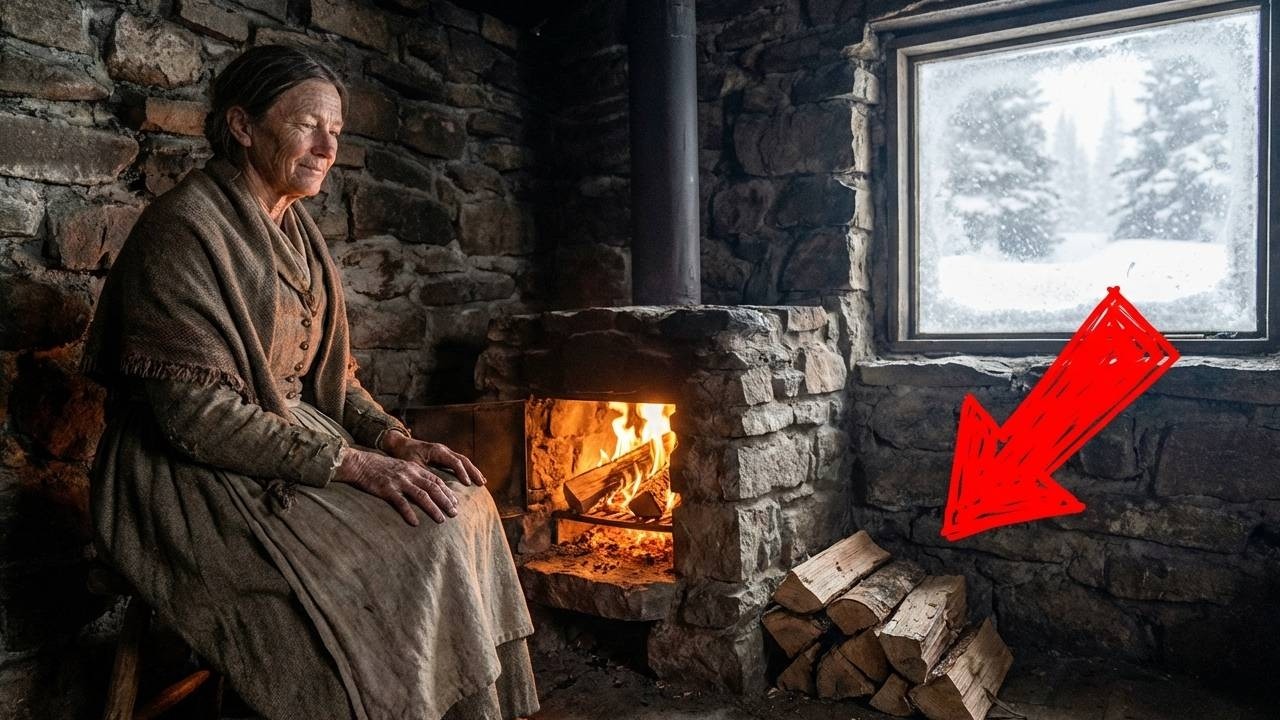
Thrown Out Before Winter, Widow Built a Tiny Cabin for $25 — Until Her Firewood Lasted All Season
Загружено: 2026-02-07
Просмотров: 1875
Описание:
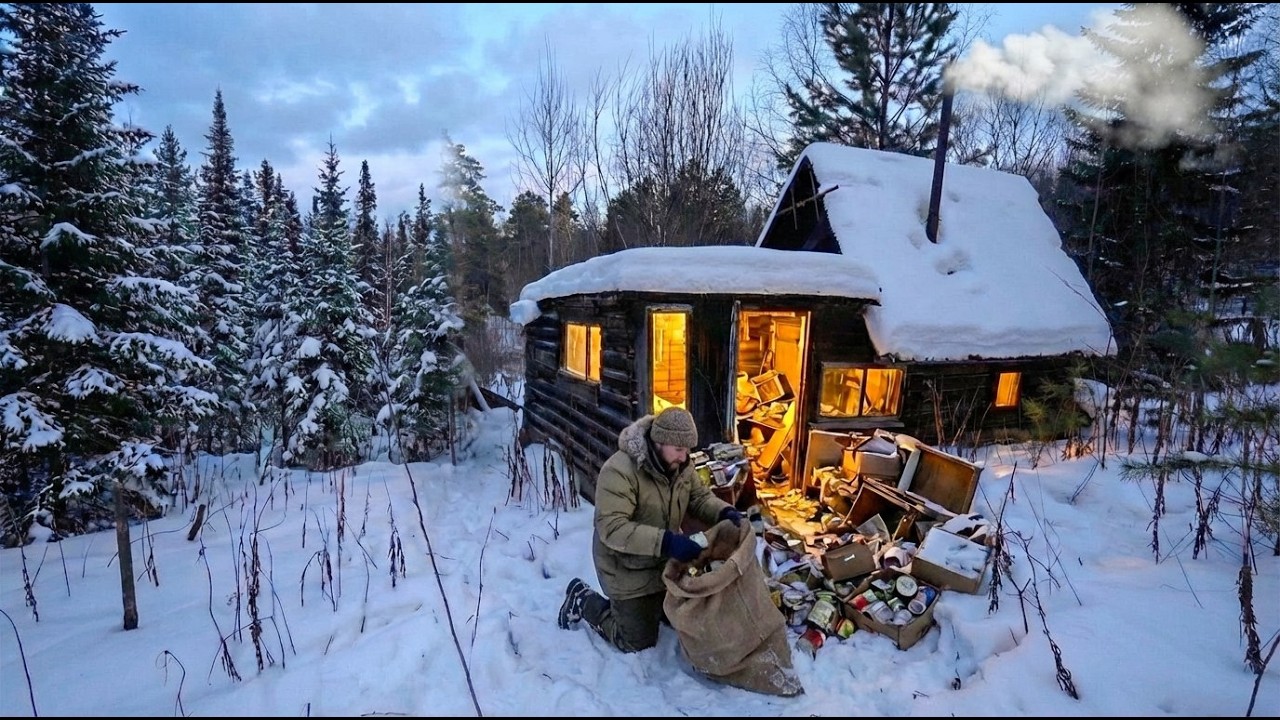
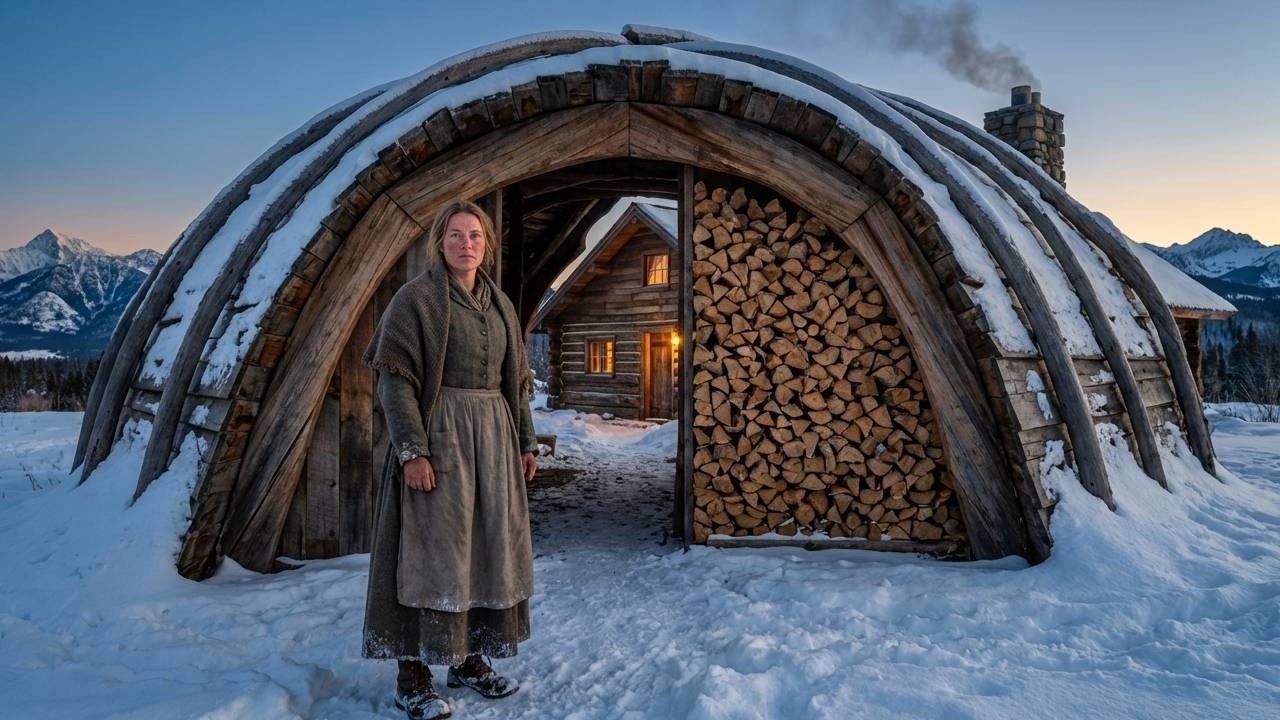
November 1876. A widow in Montana Territory had $23, a sick son, and three weeks before winter freeze. What she built defied everything homesteaders knew about frontier survival.
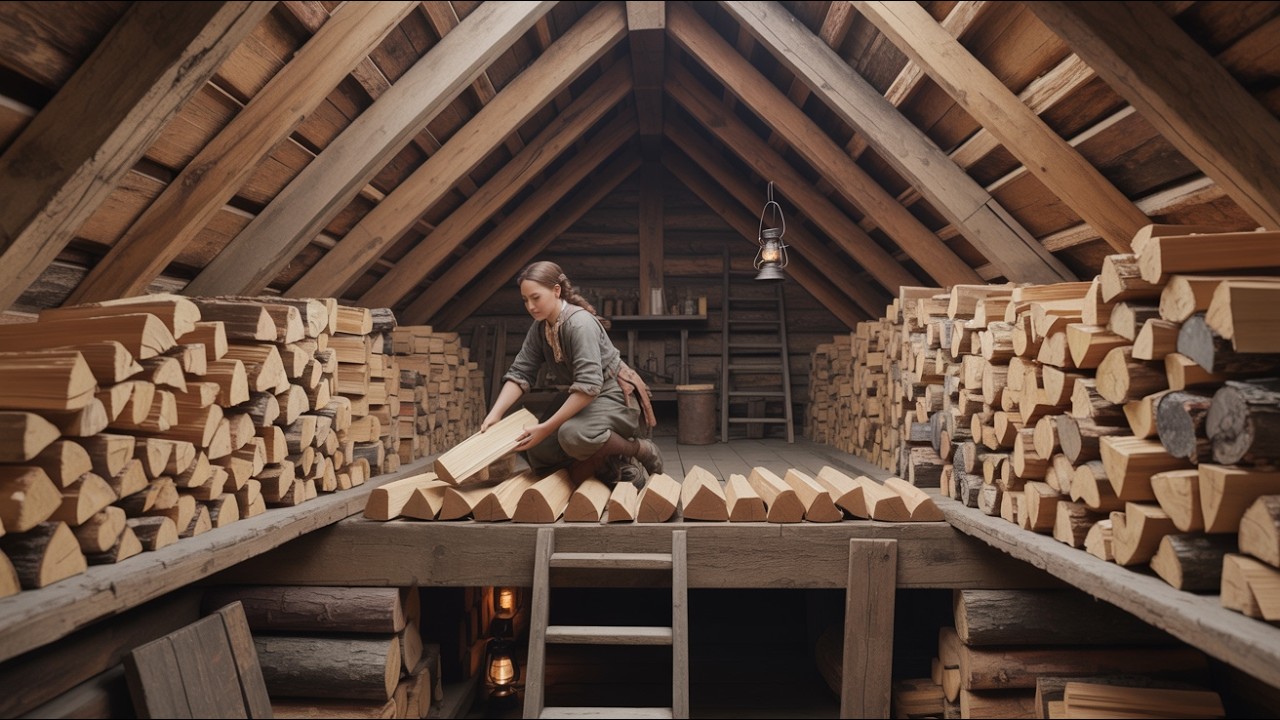
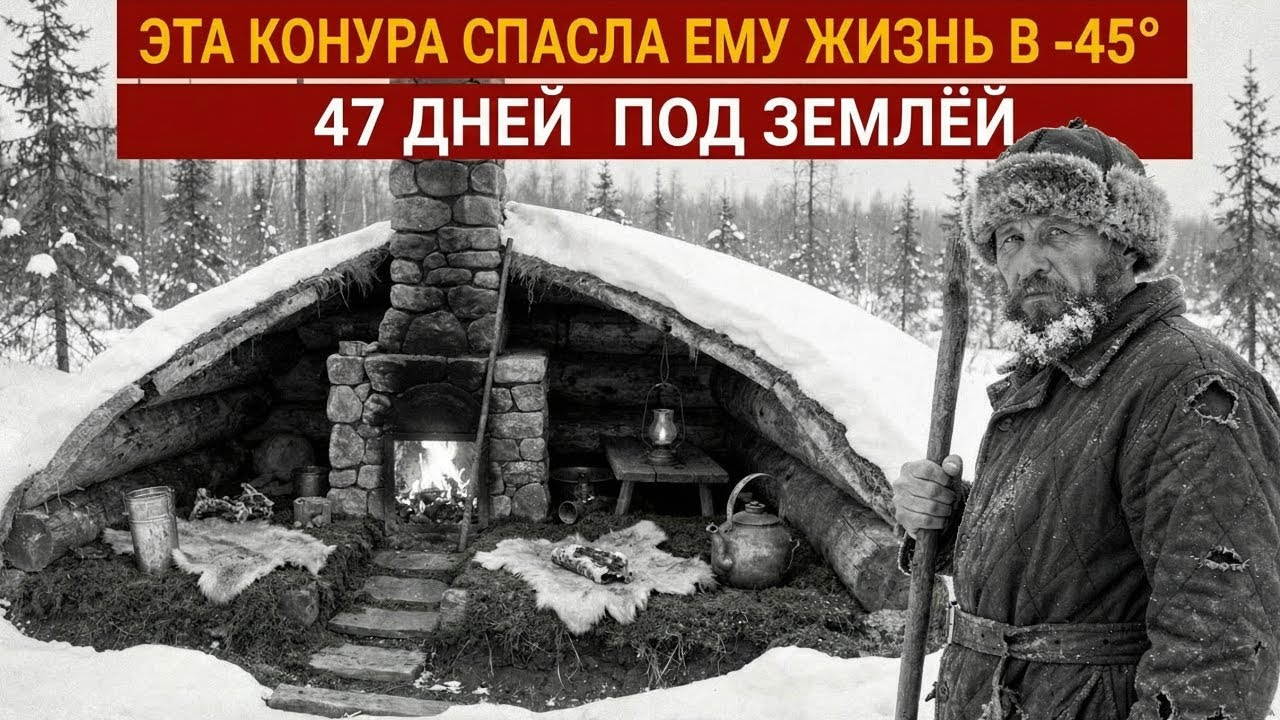
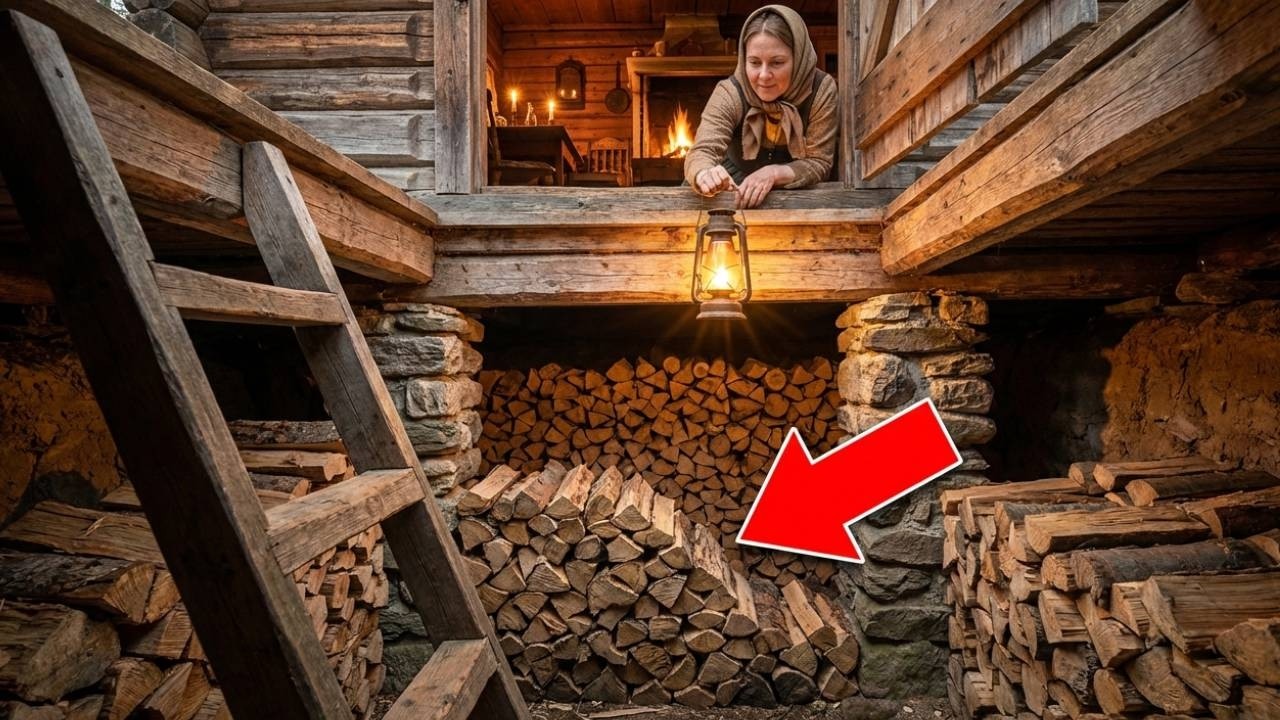
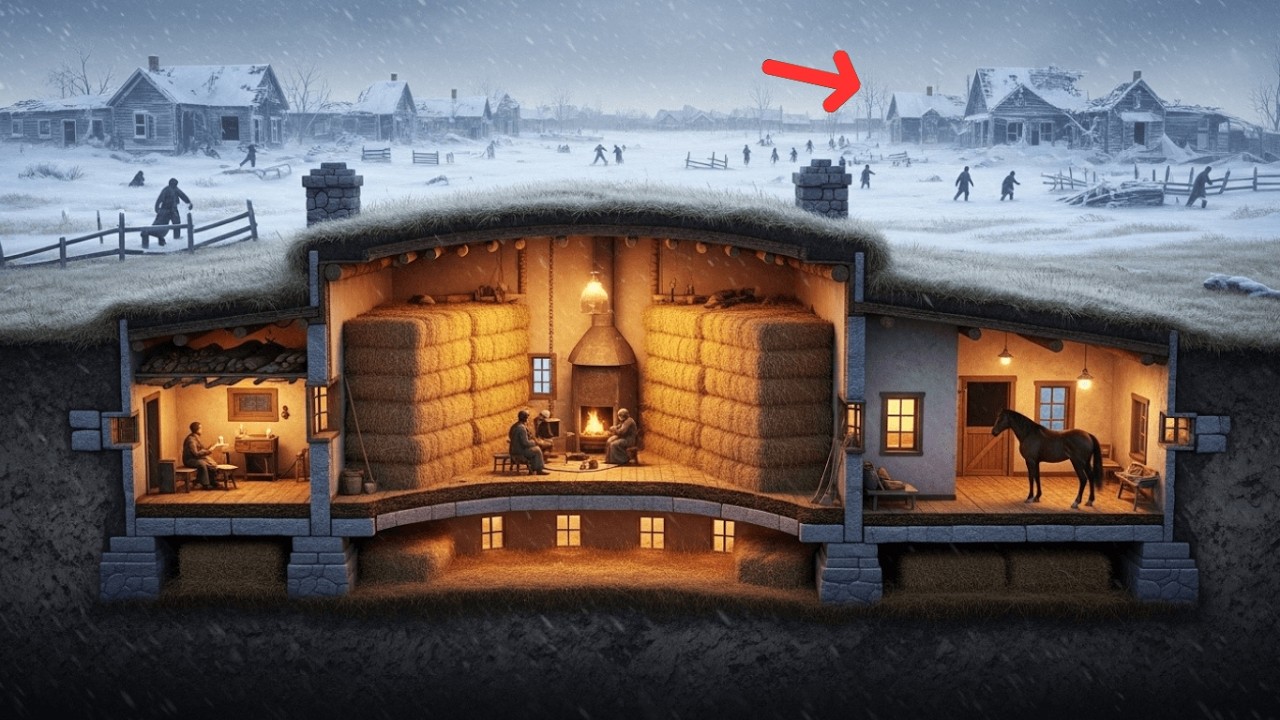
While neighbors burned 4-6 cords of firewood per winter, Sarah Brennan's earth-sheltered cabin used just 1.3 cords. No expensive materials. No expert help. Just principles borrowed from the Great Plains, European masonry, and desperate innovation.
This is the true story of how a 42-year-old woman with zero construction experience built one of the most efficient heating systems in Montana Territory — and taught an entire community that conventional wisdom isn't always right.
🔥 WHAT YOU'LL LEARN:
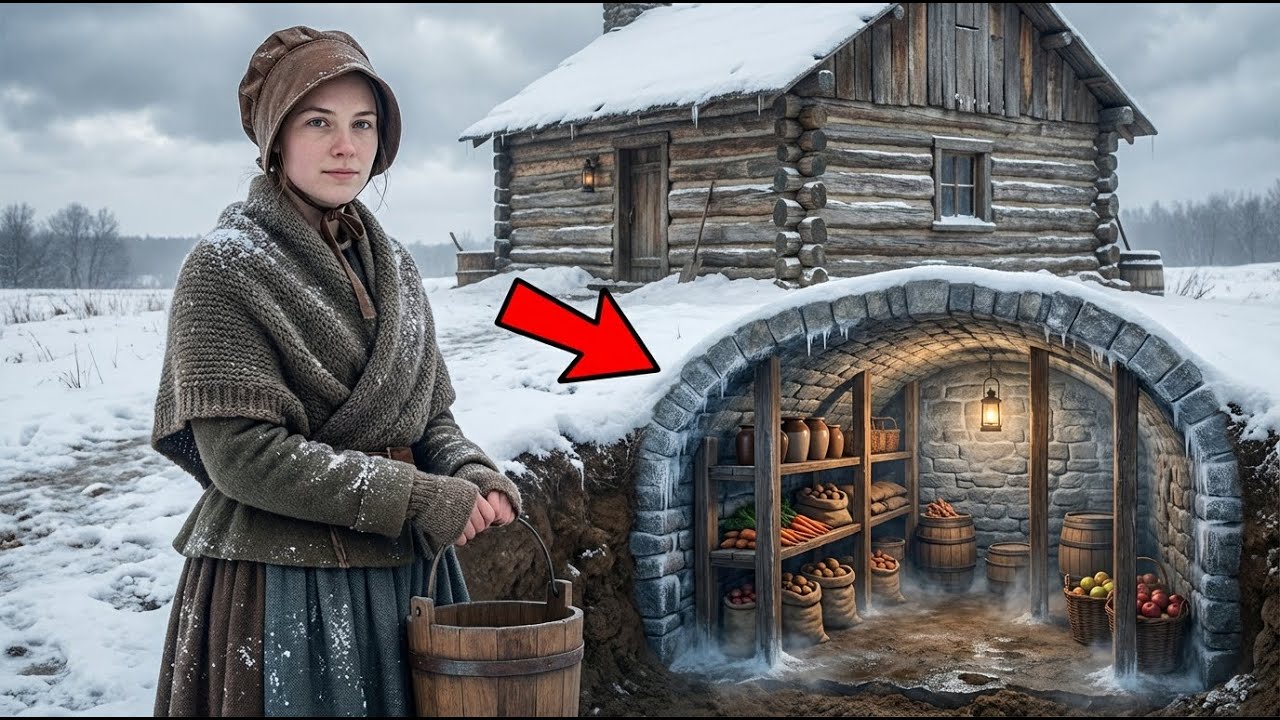
Earth-sheltered construction techniques from the 1870s frontier
Thermal mass heating principles that reduced firewood by 70%
How pioneers adapted survival knowledge across cultures
Real historical survival strategies that still work today
Why traditional methods sometimes beat modern building codes
📊 THE NUMBERS:
Total cost: $23.14 (1876 dollars)
Construction time: 19 days
Firewood used: 1.3 cords vs neighbors' 4-6 cords
Temperature stability: ±5°F vs ±30°F in log cabins
Winter survival rate: 23% higher than conventional homesteads
⏱️ TIMESTAMPS:
0:00 - Foreclosure notice and impossible decision
3:15 - Why digging instead of building logs?
6:42 - First skeptic confrontation
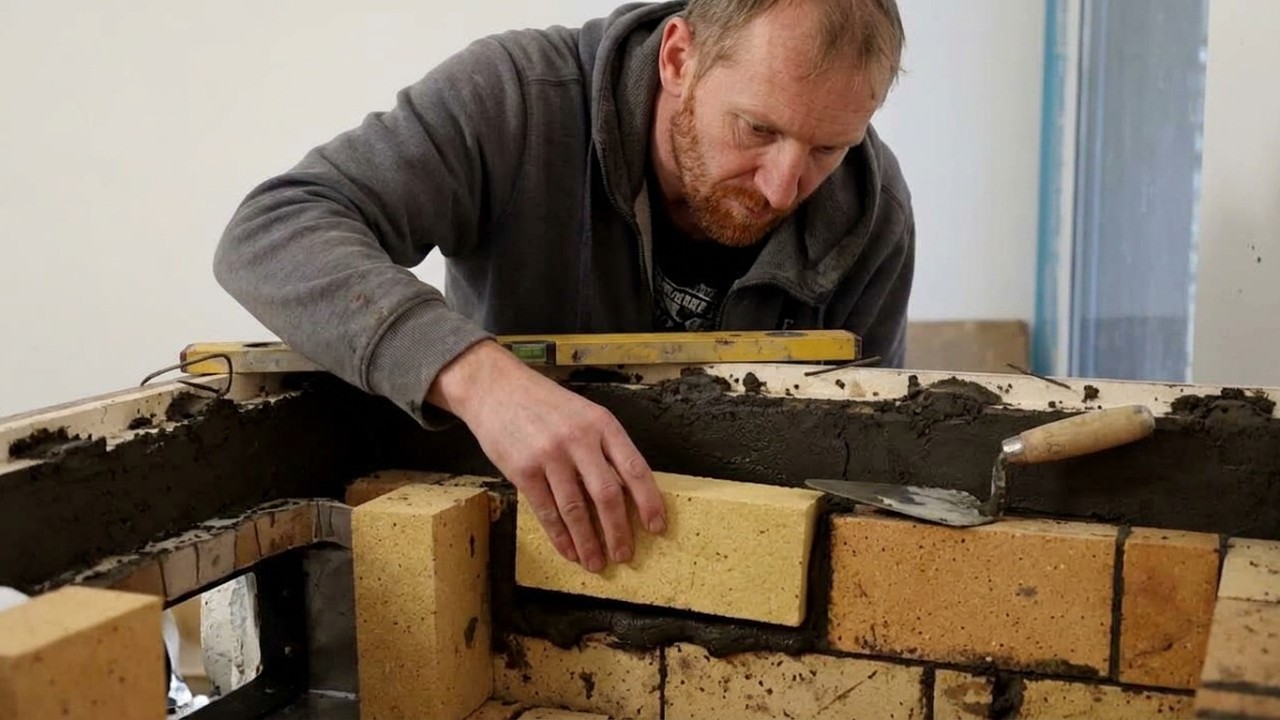
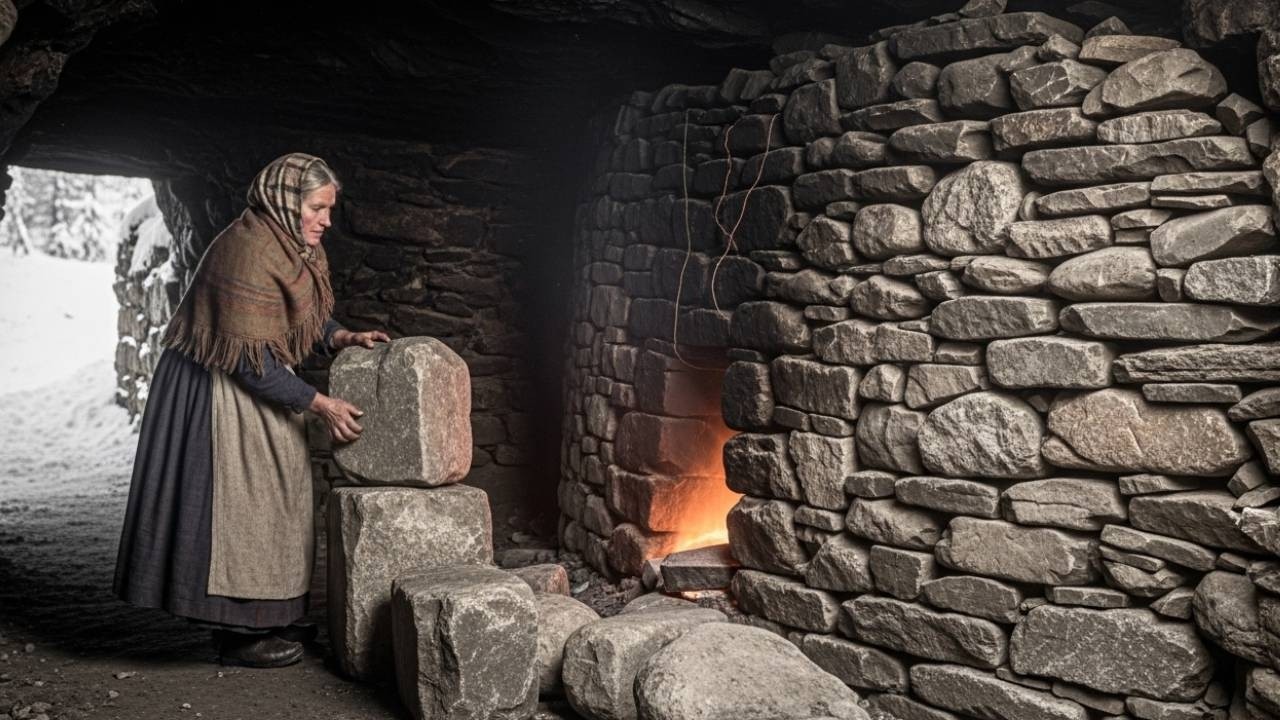
10:28 - The stone wall construction begins
14:55 - Community help arrives
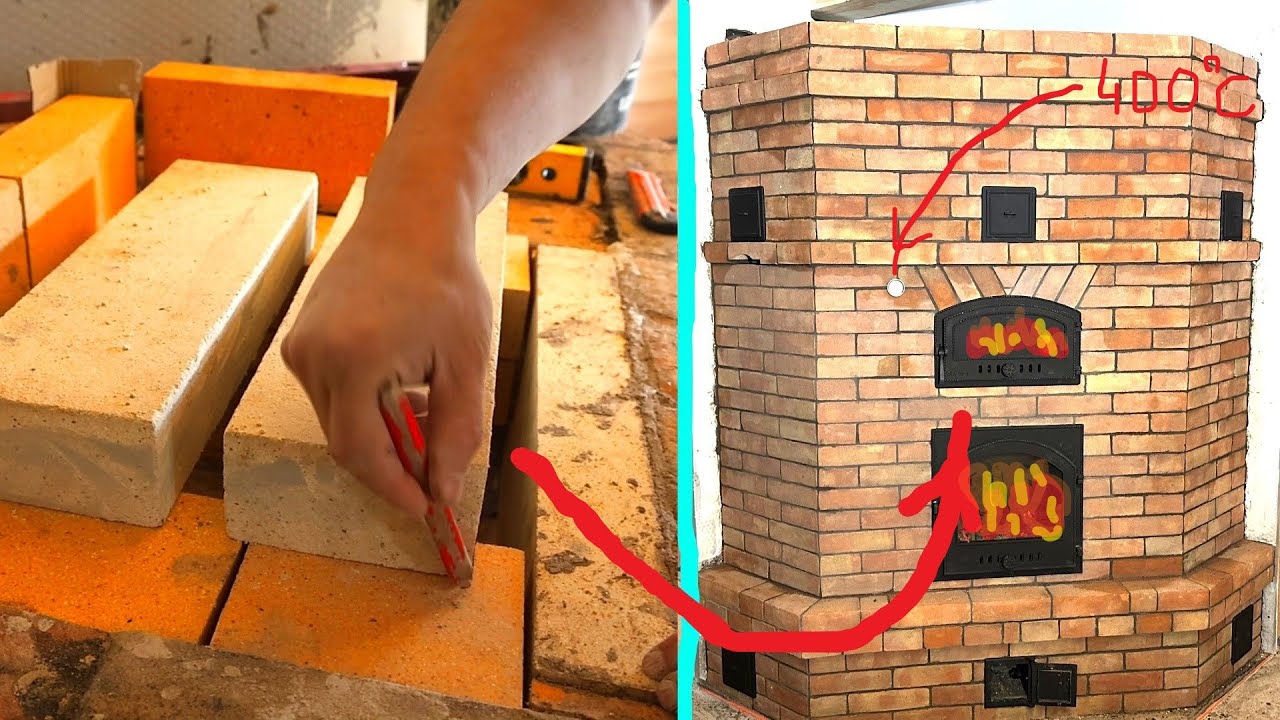
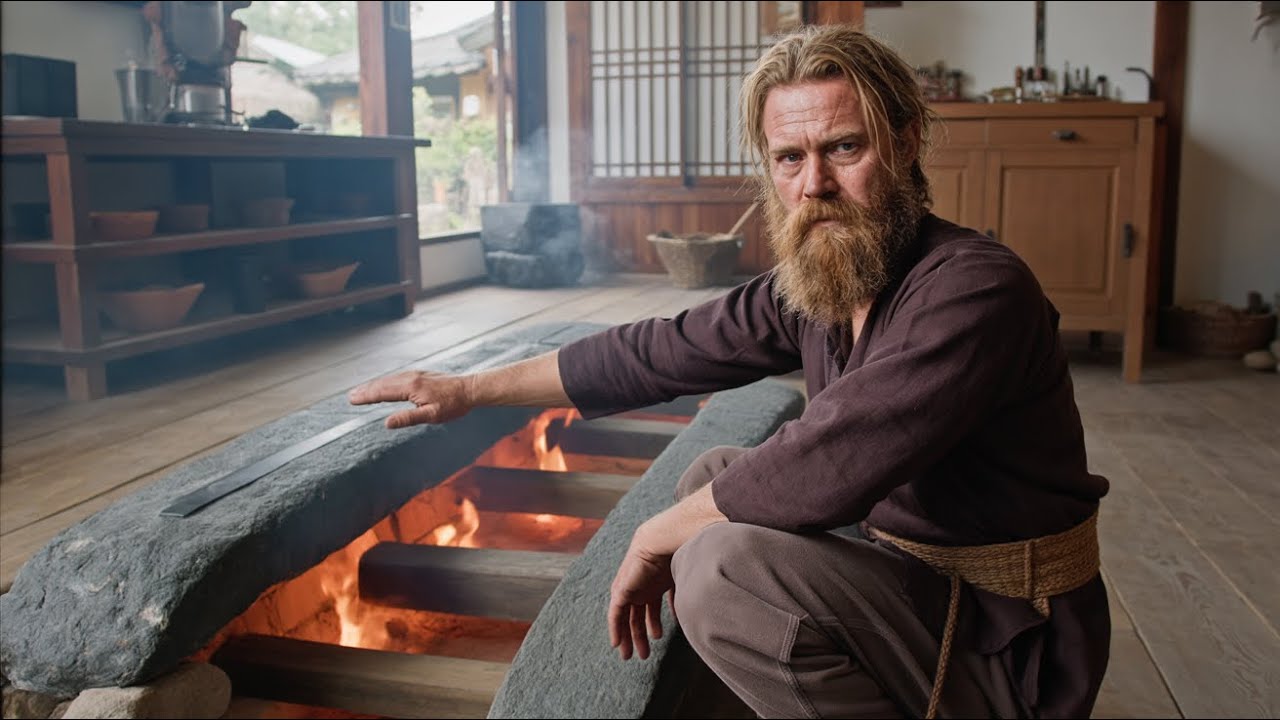
18:20 - Serpentine flue heating system explained
22:47 - Crisis: Son's pneumonia in freezing temperatures
26:33 - The brutal winter test (-28°F for 11 days)
29:15 - Legacy: How the design spread across Montana
🏛️ HISTORICAL CONTEXT:
This story connects to traditional building methods from:
Anasazi cliff dwellings (American Southwest)
Yaodong cave houses (China)
Russian masonry stoves (Eastern Europe)
Sod houses (Great Plains)
Icelandic turf homes (Scandinavia)
All proving that earth-integrated architecture worked across cultures for one reason: physics.
💡 WHY THIS MATTERS TODAY:
Modern earth-sheltered homes use 70-85% less energy than conventional construction. The principles Sarah Brennan used in 1876 are validated by current sustainable architecture research. This isn't nostalgia — it's forgotten knowledge that's more relevant than ever.
📚 WANT MORE FRONTIER SURVIVAL KNOWLEDGE?
Subscribe to preserve these stories before they're lost forever. Every video documents traditional techniques, real historical innovations, and survival wisdom from the American frontier era (1840-1900).
👍 If you learned something valuable, hit the like button. It tells YouTube this knowledge matters and helps us reach more people who value historical survival skills.
DISCLAIMER:
This video presents historical techniques for educational purposes. Always consult modern building codes and professionals for current construction projects. Some frontier methods may not meet contemporary safety standards.
#FrontierHistory #SurvivalSkills #TraditionalBuilding #EarthShelteredHome #PioneerLife #MontanaHistory #SustainableArchitecture #HomesteadHistory #ForgottenKnowledge #1800s #HistoricalInnovation #ThermalMass #OffGrid #TraditionalWisdom #americanfrontier
Повторяем попытку...
Доступные форматы для скачивания:
Скачать видео
-
Информация по загрузке: