Gem Cutting In Sri Lanka ( How To Cut And Polish Gem Stones, Lapidary Introductory Lesson )
Автор: A I J CREATIONS
Загружено: 2021-11-01
Просмотров: 14048
Описание:
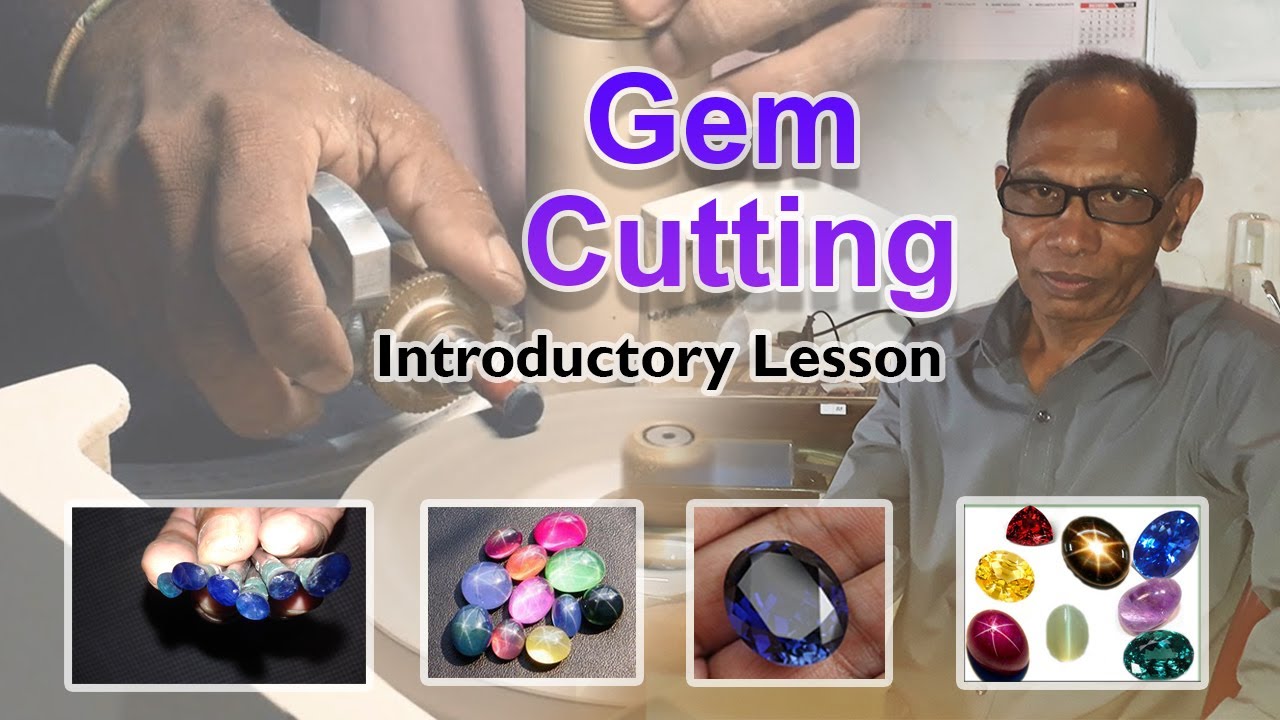
Gem Cutting ( Lapidary) Sri Lanka
How to cut and polish gem stones ( Introductory lesson ) with Benadict Xavier
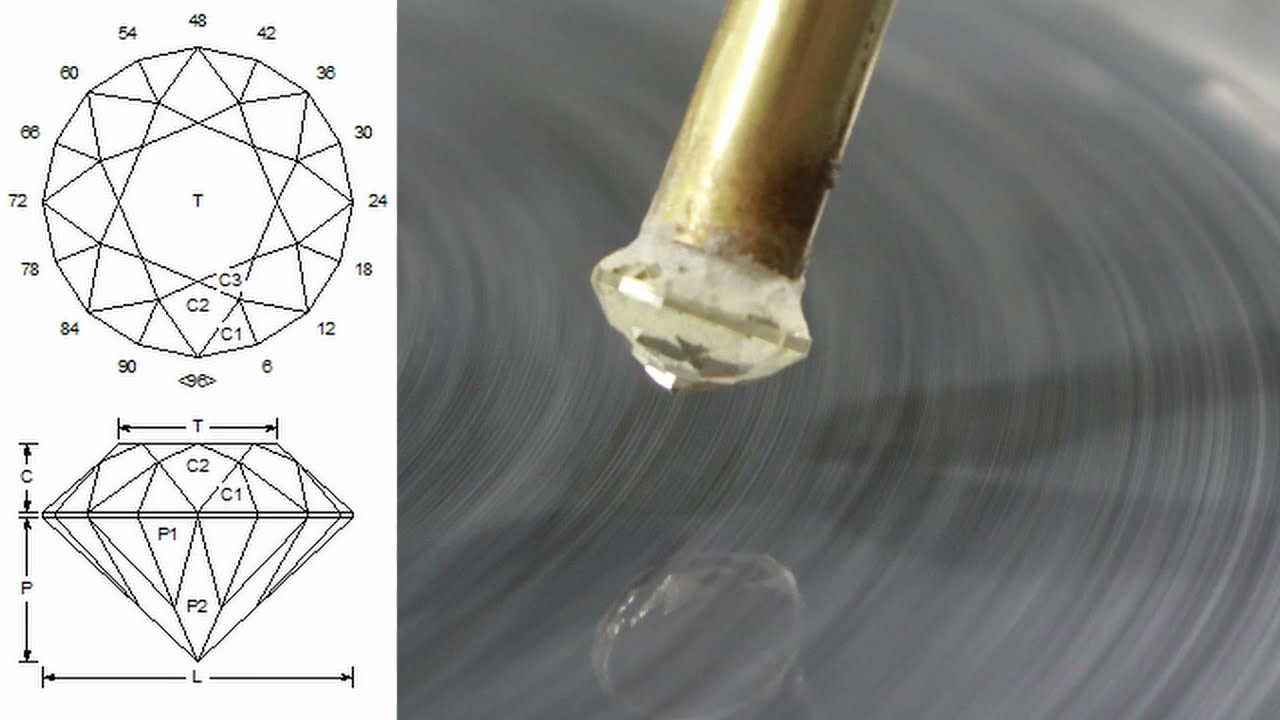
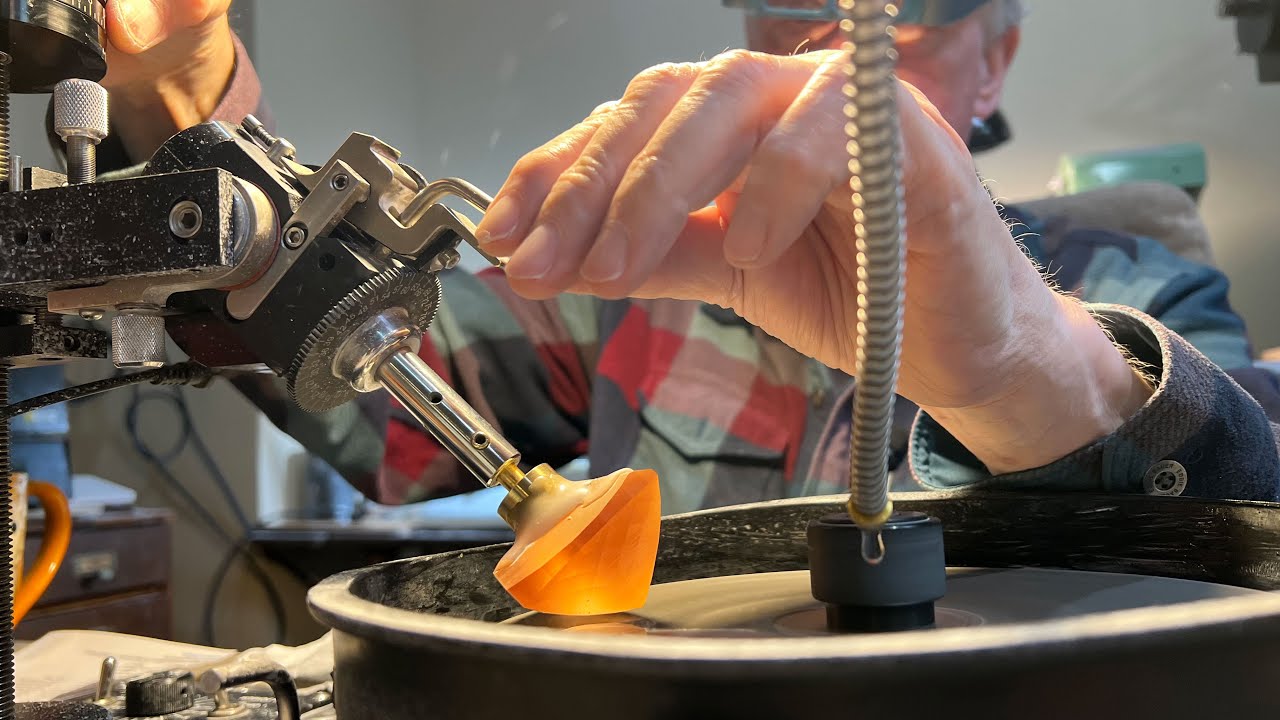
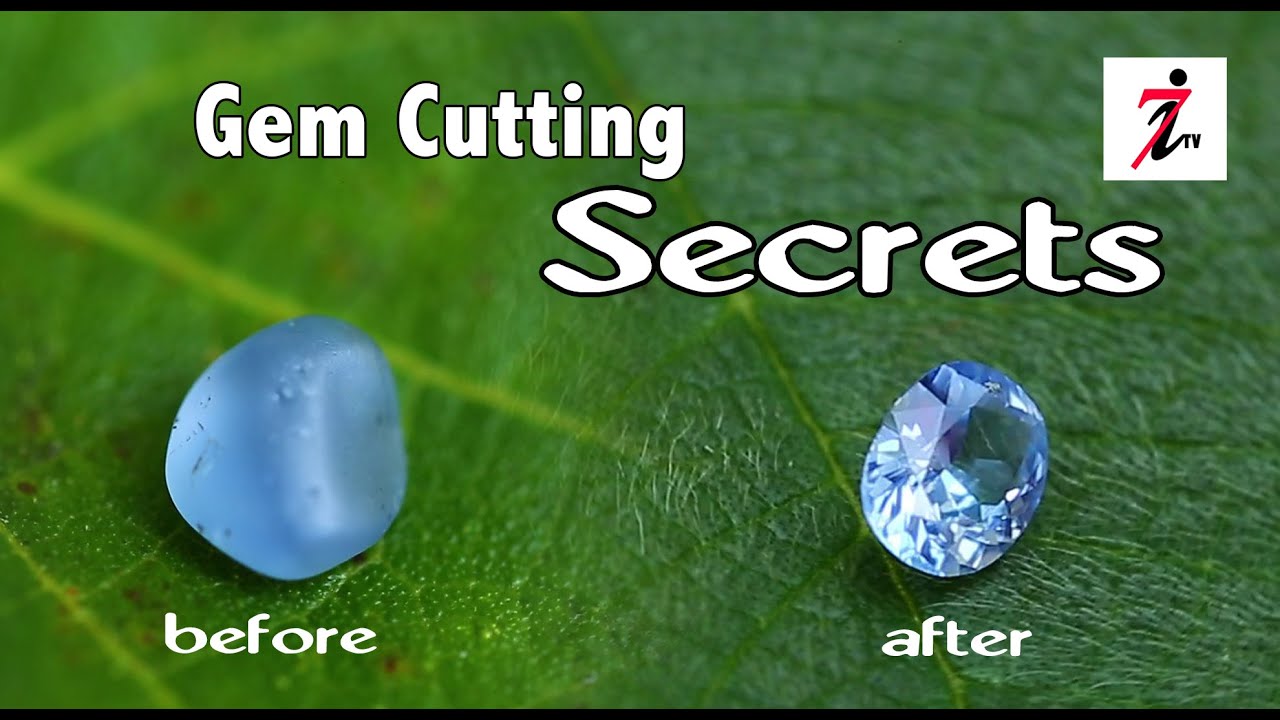
A gemstone (also called a gem, fine gem, jewel, precious stone, or semi-precious stone) is a piece of mineral crystal which, in cut and polished form, is used to make jewelry or other adornments. Most gemstones are hard, but some soft minerals are used in jewelry because of their luster or other physical properties that have aesthetic value. Rarity is another characteristic that lends value to a gemstone. A gem maker is called a lapidary or gemcutter; a diamond cutter is called a diamantaire.
The traditional classification in the West, which goes back to the ancient Greeks, begins with a distinction between precious and semi-precious; similar distinctions are made in other cultures. In modern use the precious stones are diamond, ruby, sapphire and emerald, with all other gemstones being semi-precious. This distinction reflects the rarity of the respective stones in ancient times, as well as their quality: all are translucent with fine color in their purest forms, except for the colorless diamond, and very hard, with hardnesses of 8 to 10 on the Mohs scale. Other stones are classified by their color, translucency, and hardness. The traditional distinction does not necessarily reflect modern values, for example, while garnets are relatively inexpensive, a green garnet called tsavorite can be far more valuable than a mid-quality emerald.[5] Another unscientific term for semi-precious gemstones used in art history and archaeology is hardstone. Use of the terms 'precious' and 'semi-precious' in a commercial context is, arguably, misleading in that it deceptively implies certain stones are intrinsically more valuable than others, which is not necessarily the case.
In modern times gemstones are identified by gemologists, who describe gems and their characteristics using technical terminology specific to the field of gemology. Many gems are crystals which are classified by their crystal system such as cubic or trigonal or monoclinic. Another term used is habit, the form the gem is usually found in. For example, diamonds, which have a cubic crystal system, are often found as octahedrons.
Gemstones are classified into different groups, species, and varieties.For example, ruby is the red variety of the species corundum, while any other color of corundum is considered sapphire. Other examples are the emerald (green), aquamarine (blue), red beryl (red), goshenite (colorless), heliodor (yellow) and morganite (pink), which are all varieties of the mineral species beryl.
Gems are characterized in terms of refractive index, dispersion, specific gravity, hardness, cleavage, fracture and luster. They may exhibit pleochroism or double refraction. They may have luminescence and a distinctive absorption spectrum.
Gemstones have no universally accepted grading system. Diamonds are graded[by whom?] using a system developed by the Gemological Institute of America (GIA) in the early 1950s. Historically, all gemstones were graded using the naked eye. The GIA system included a major innovation: the introduction of 10x magnification as the standard for grading clarity. Other gemstones are still graded using the naked eye (assuming 20/20 vision).[9]
A mnemonic device, the "four Cs" (color, cut, clarity, and carats), has been introduced[by whom?] to help describe the factors used to grade a diamond.[10] With modification, these categories can be useful in understanding the grading of all gemstones. The four criteria carry different weights depending upon whether they are applied to colored gemstones or to colorless diamonds.
Повторяем попытку...
Доступные форматы для скачивания:
Скачать видео
-
Информация по загрузке: