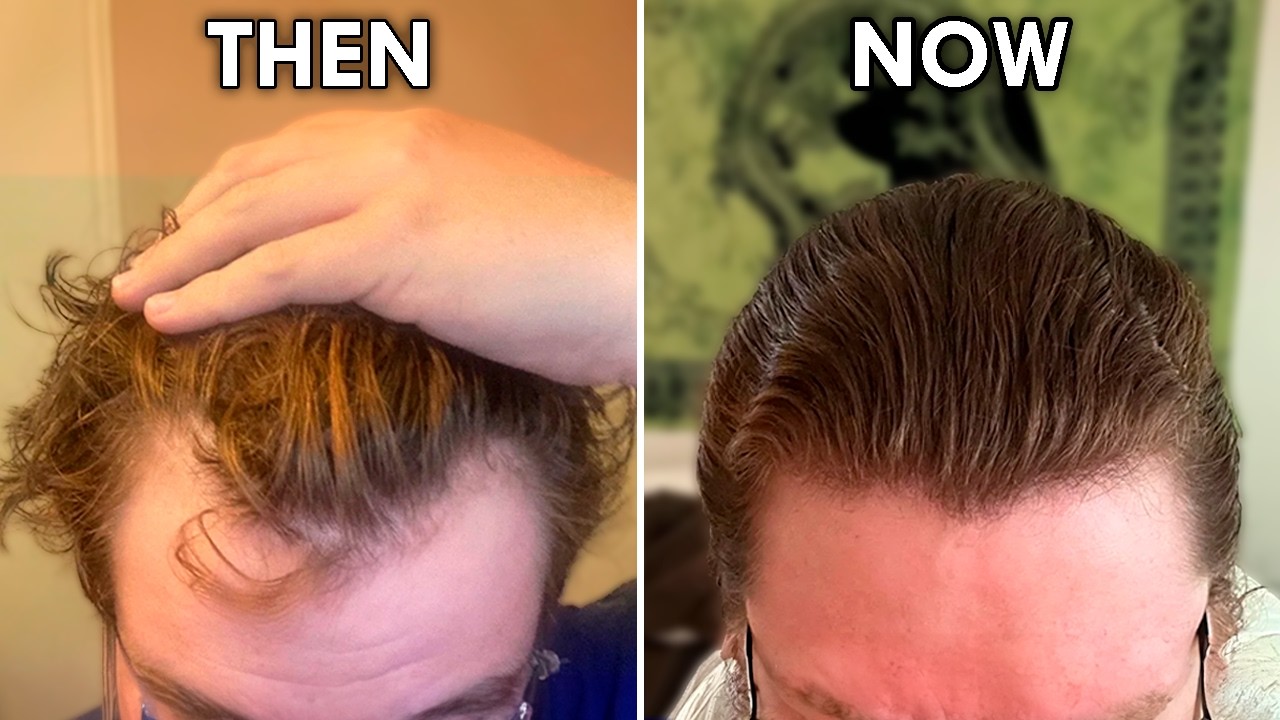
Hair Loss Dermatology has been LYING: Lichen Planopilaris
Автор: KwRx 🕊️
Загружено: 2025-03-06
Просмотров: 1874
Описание:
Original Video: • What Is DUPA? | Aesthetic of Diffuse Alope...
00:00:00 🔬 Diagnosis Methods in Hair Loss
Discussion on the importance of scalp biopsies in diagnosing hair loss conditions versus visual examinations.
Highlights the inadequacies of relying solely on visual examinations and checklists in diagnosing conditions like Lichen Planopilaris (LPP).
Notes the tendency to diagnose LPP primarily in postmenopausal women due to biases in the medical literature and practices.
00:03:00 🧬 Gender Bias in Hair Loss Diagnosis
The bias against performing scalp biopsies in men, leading to underdiagnosis or misdiagnosis of male hair loss conditions.
Explanation of how menopausal changes in women lead to more thorough investigations.
The practice of reserving biopsies for more severe or obvious cases, missing early signs of more complex conditions.
00:06:12 🩺 Implications of Delayed Diagnosis
The need for early intervention in scarring alopecia to prevent irreversible damage.
Discussion of treatment challenges, such as selecting appropriate medications and dosages for conditions like LPP.
Explanation of the immune system’s role in scarring due to lipid metabolism issues.
00:09:52 🔍 Biopsy Underutilization Consequences
Calls for more frequent use of biopsies to improve diagnosis accuracy across genders.
Emphasizes the risk of underrepresented data due to the current selective biopsy practices.
Examples from medical professionals suggest needing more comprehensive scalp health assessments.
00:15:23 💡 Expert Insights on Hair Loss Diagnosis
Interview with Dr. William Rasman highlighting prevalent diagnostic practices in hair loss.
Observations on the failure of some hair transplants due to underlying undiagnosed conditions.
The importance of understanding scalp diseases in the hair transplant industry to avoid treatment failures.
00:17:47 📊 Comprehensive Research Findings
Review of studies on the frequency and types of alopecia, highlighting gender-specific trends.
Statistical analysis from multi-center studies on scarring alopecia vs. non-scarring types.
Discussion on potential discrepancies in research data due to gender biases in diagnoses and biopsies.
00:22:42 🔍 Study Limitations and Gender Bias in Biopsy
The retrospective study's limitations highlight potential gender bias in biopsy practices.
Many cases in the study might overlap with other alopecia conditions without biopsy confirmation.
The study shows women are biopsied more frequently for hair loss, possibly indicating systemic biases.
00:25:26 🚻 Exclusion of Men in Lichen Planopilaris Study
A specific study focused exclusively on women, which raises concerns about biased conclusions.
Excluding men from research limits understanding of potential gender differences and hormonal factors.
The findings suggest co-morbidities like diabetes and nutritional deficiencies but lack a comprehensive demographic analysis.
00:28:07 📊 Prevalence and Potential Underreporting of Lichen Planopilaris
A U.S. study on prevalence showed Lichen Planopilaris predominantly affects older, Caucasian females.
Concerns over potential underreporting due to reliance on clinical assessments rather than biopsies.
Bias in literature is noted when research fits preconceived notions, impacting diagnosis accuracy.
Повторяем попытку...

Доступные форматы для скачивания:
Скачать видео
-
Информация по загрузке: