This Medieval Root Crop Survived 100 Days Without Rain - And Gardeners Stopped Planting It…
Автор: Medieval Unearthed
Загружено: 2026-02-05
Просмотров: 647
Описание:
Most modern vegetables panic when rain disappears.
This medieval root crop didn’t.
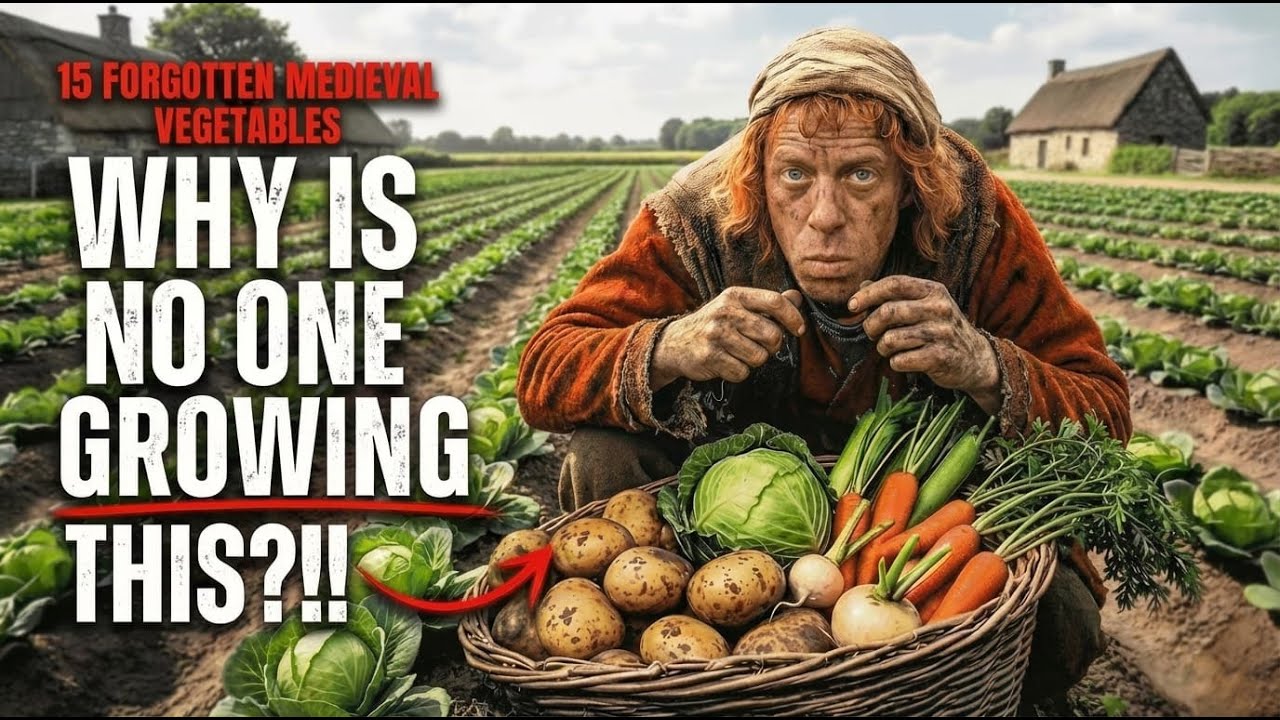
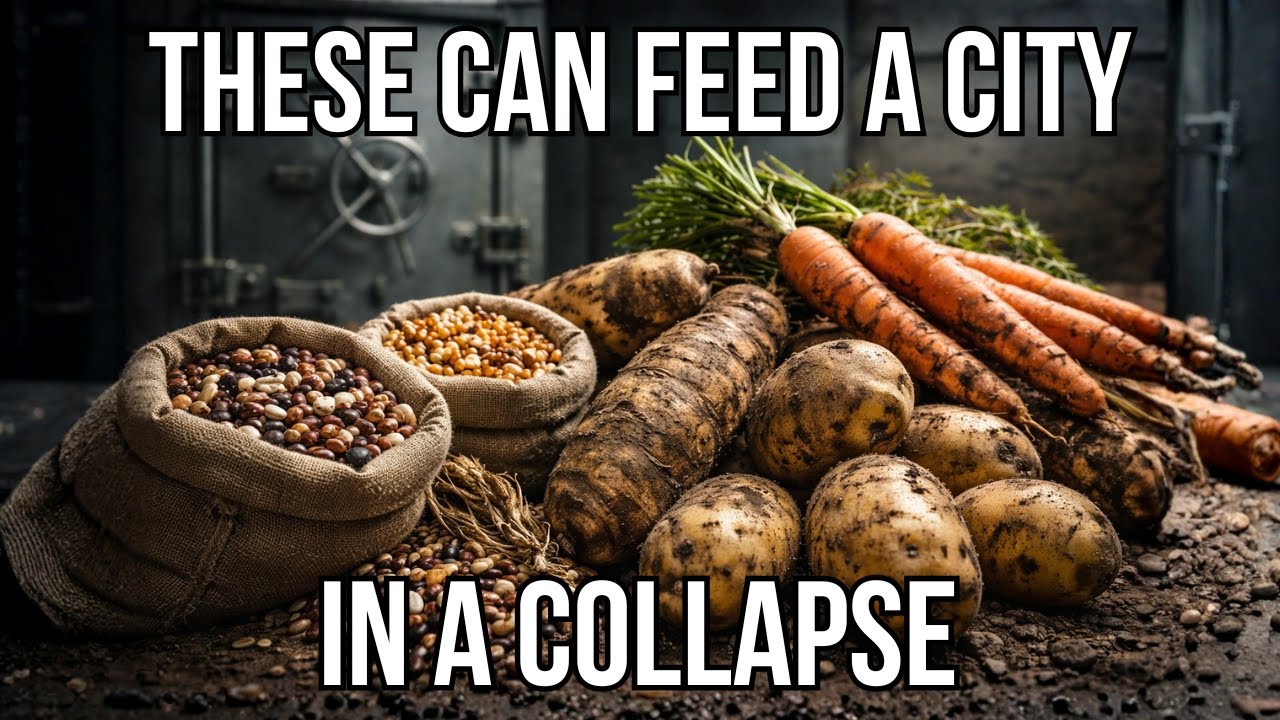
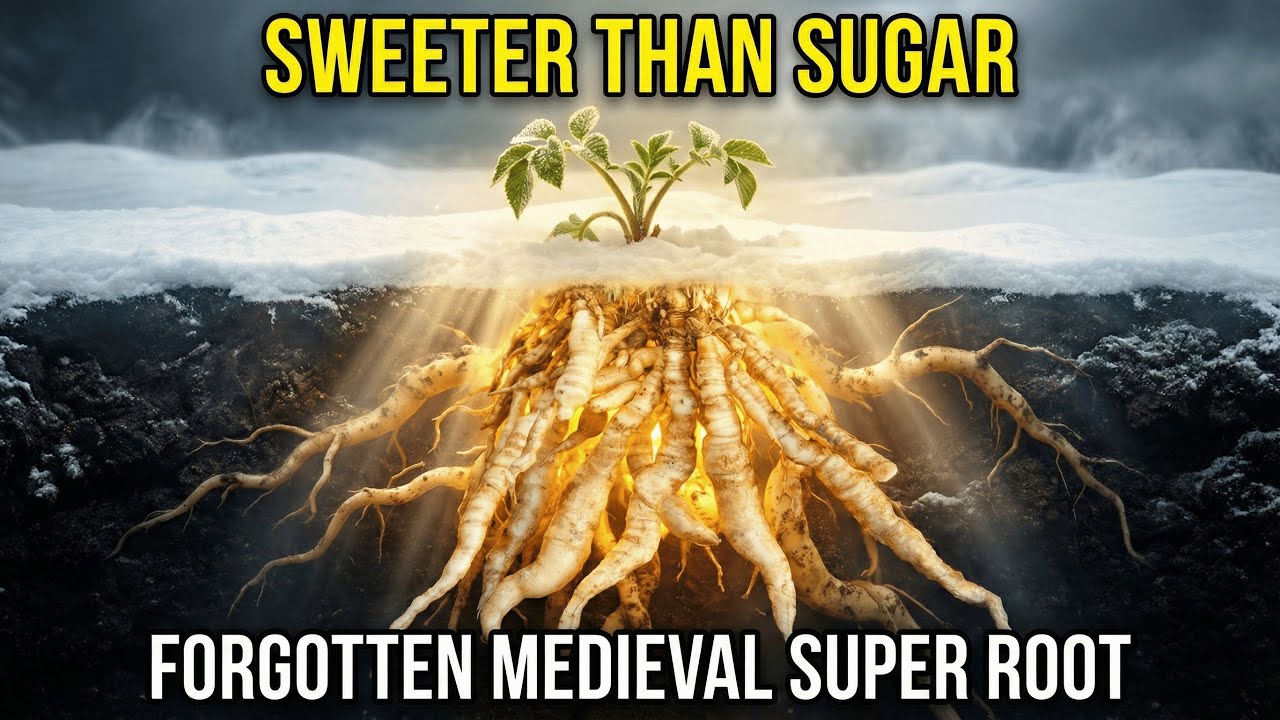
Parsnips once survived up to 100 days without rain, fed families through drought and famine, and stored safely for six months underground—yet today, most gardeners ignore it completely. Why?
In this video, we uncover how a so-called “poor man’s root” became one of medieval Europe’s most reliable survival foods… and how abandoning it may have made modern gardens far more fragile than we realize.
You’ll discover:
-How parsnips store water deep underground while shallow crops fail;
-Why peasants, monks, and monasteries relied on this root as a food backup;
-How medieval growers used parsnips as sweeteners, staples, and even fermented drinks;
-What deep taproots reveal about drought resistance and soil resilience;
-Why modern rich soil can still fail faster than medieval fields;
-How one forgotten crop quietly reduces food risk during dry summers
-This isn’t nostalgia. It’s lost resilience.
As droughts intensify and shallow-rooted crops struggle, medieval growers may have understood something we forgot: survival isn’t about speed or appearance—it’s about forgiveness when conditions turn hostile.
If you care about:
forgotten medieval crops, drought-resistant vegetables, survival gardening, food security, lost agricultural knowledge, climate-resilient gardening, or historical food systems— this video will change how you think about what belongs in your garden.
👇
Subscribe to rediscover the crops that kept families alive when everything else failed—and tap the next video to uncover more lost foods hiding in plain sight.
Повторяем попытку...

Доступные форматы для скачивания:
Скачать видео
-
Информация по загрузке: