Sweet as Sugar, Tough as Weeds (But Extinct in Stores)
Автор: Ancestral Soil
Загружено: 2026-01-28
Просмотров: 510
Описание:
Sweet as Sugar, Tough as Weeds (But Extinct in Stores)
In 30 AD, the Roman Emperor Tiberius demanded tribute from the Germanic tribes not in silver or slaves, but in the form of a specific, twisted white root he deemed too valuable for barbarians. For centuries, this plant was currency, a "high-octane" survival fuel, and a delicacy on the tables of kings. Yet, if you walk into a modern grocery store today, you will find it has been completely erased from human memory.
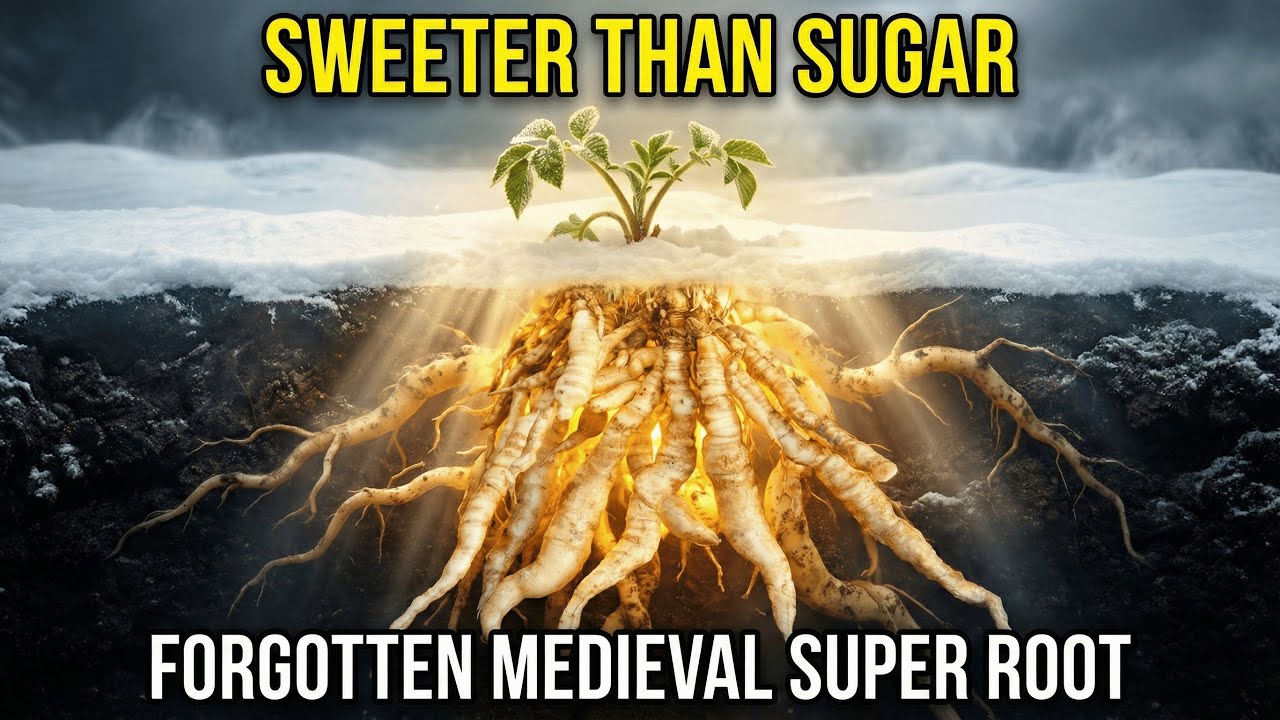
This is the story of Sium sisarum, known to the ancients simply as Skirret. It is the chronicle of a botanical miracle that once offered a sweetness rivaling pure cane sugar, only to be systematically hunted to extinction in our marketplaces by the Industrial Revolution. We explore how a perennial crop that could feed a family for a decade was traded away for the bland convenience of the potato, exposing a food system that prioritizes machine efficiency over human nutrition.
🌿 THE LOST MEDICINE The renowned herbalists of the 16th and 17th centuries, John Gerard and Nicholas Culpeper, did not merely list this plant as food; they enshrined it in their medical texts. They classified the root as a "restorative," a dense source of energy capable of comforting the stomach and igniting the appetite of those withering away. It was the ultimate comfort food, turning the harsh cold of winter into a source of vitality.
📜 THE INDUSTRIAL CRIME Why was it banned from the modern diet? It wasn't a plague; it was the shape of the root. While the potato fits perfectly into the industrial conveyor belts of the 19th century, Skirret’s tangled, defiant roots jammed the gears of mass production. We expose the cold calculation that erased this crop simply because a perennial plant—one that returns every year without demanding new seeds or fertilizer—is a direct threat to the modern agricultural business model.
🔬 THE BIOLOGICAL ENGINE Modern analysis vindicates the Roman obsession. Unlike the water-bloated modern carrot, Skirret utilizes a powerful biological defense mechanism against the frost. As temperatures drop, the plant converts stored starches into sugars to act as a natural antifreeze, creating a calorie-dense survival food that actually becomes sweeter and more nutritious the harsher the winter gets.
Sources:
The Herball, or Generall Historie of Plantes — John Gerard (1597)
The English Physitian — Nicholas Culpeper (1653)
Regenerative Agriculture Studies — Yale University
#survival #permaculture #forgottenfoods #foodhistory #perennialvegetables #skirret #ancestralsoil
DISCLAIMER:
Educational Purpose Only:
The content provided in this video is for educational, historical, and entertainment purposes only. It is not intended to be a substitute for professional medical advice, diagnosis, or treatment. Historical references to the medicinal properties of plants are anecdotal and should not be interpreted as modern medical guidance. Always seek the advice of your physician or other qualified health provider with any questions you may have regarding a medical condition.
Botanical Safety Warning:
Skirret (Sium sisarum) belongs to the Apiaceae (carrot) family, which also includes highly toxic and deadly plants such as Water Hemlock and Poison Hemlock. Many of these toxic plants look similar to edible varieties.
Do not forage for wild plants unless you are an expert in identification.
Always verify the source of your seeds or plants from a reputable nursery.
The creators of "Ancestral Soil" assume no liability for any injury, damage, or loss resulting from the use or misuse of the information contained in this video.
Повторяем попытку...
Доступные форматы для скачивания:
Скачать видео
-
Информация по загрузке: