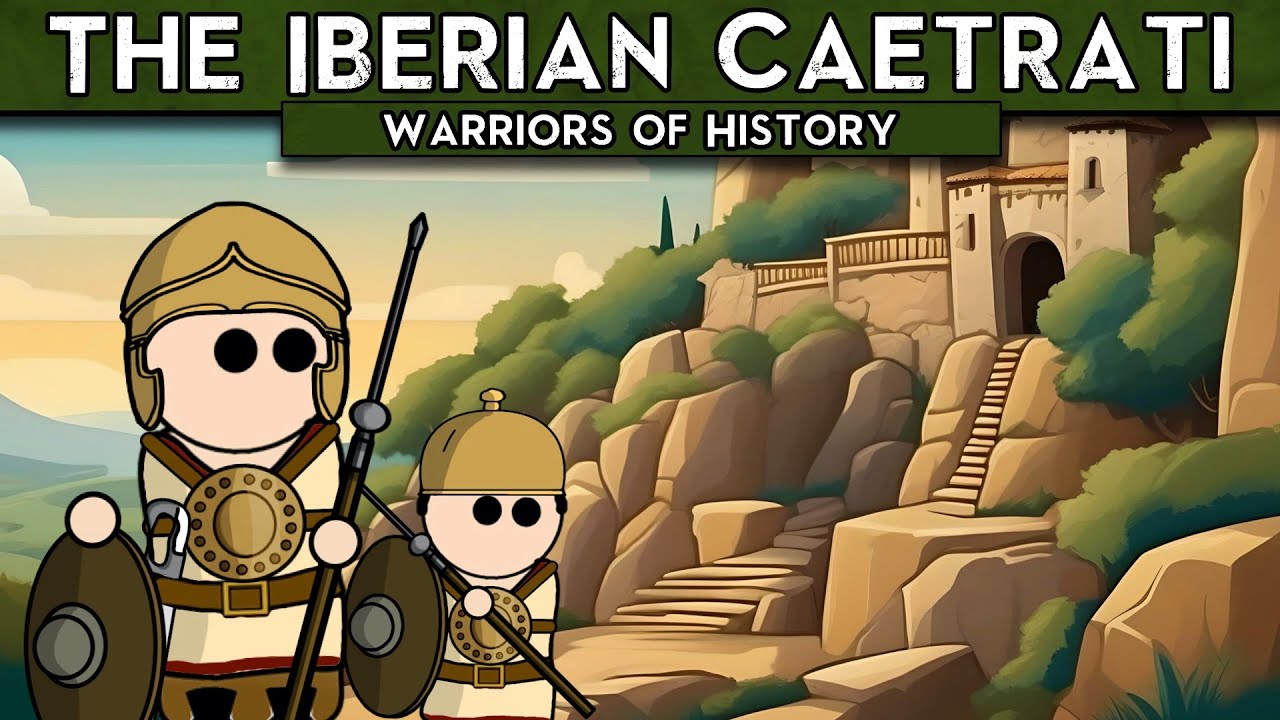
The Caetrati | Warriors of History
Автор: Ancient History Guy
Загружено: 2024-11-25
Просмотров: 4875
Описание:
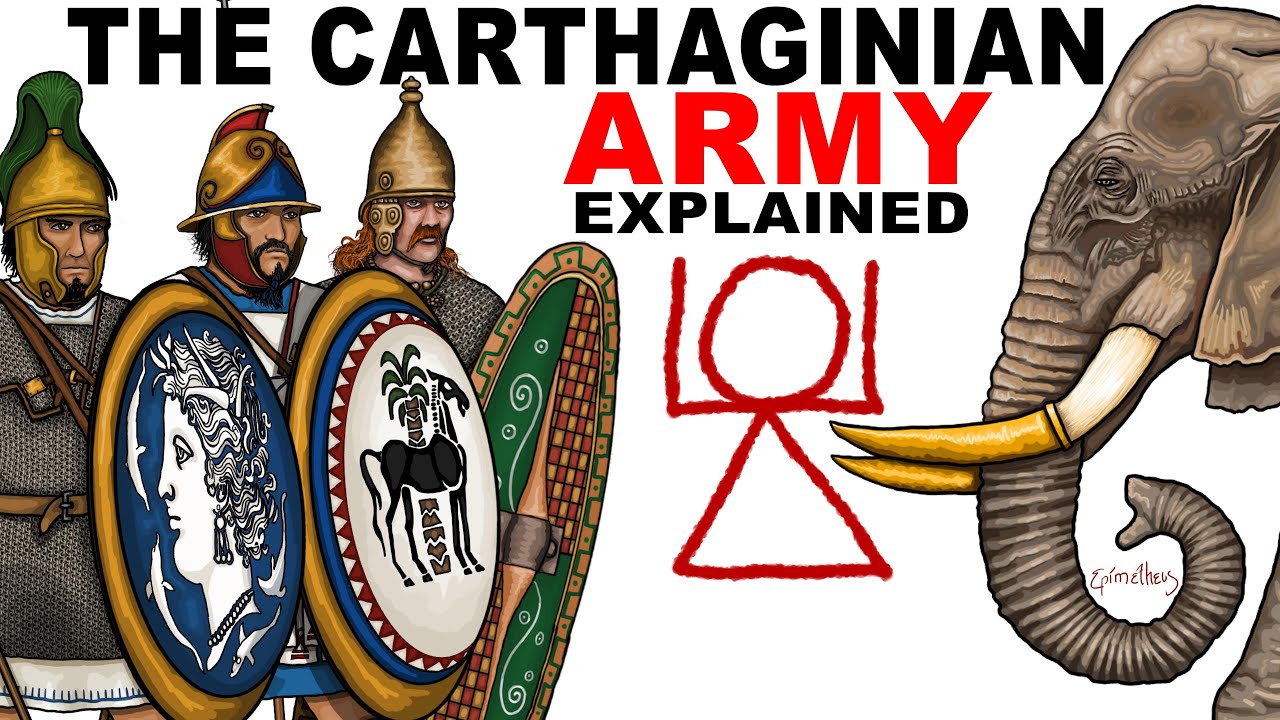
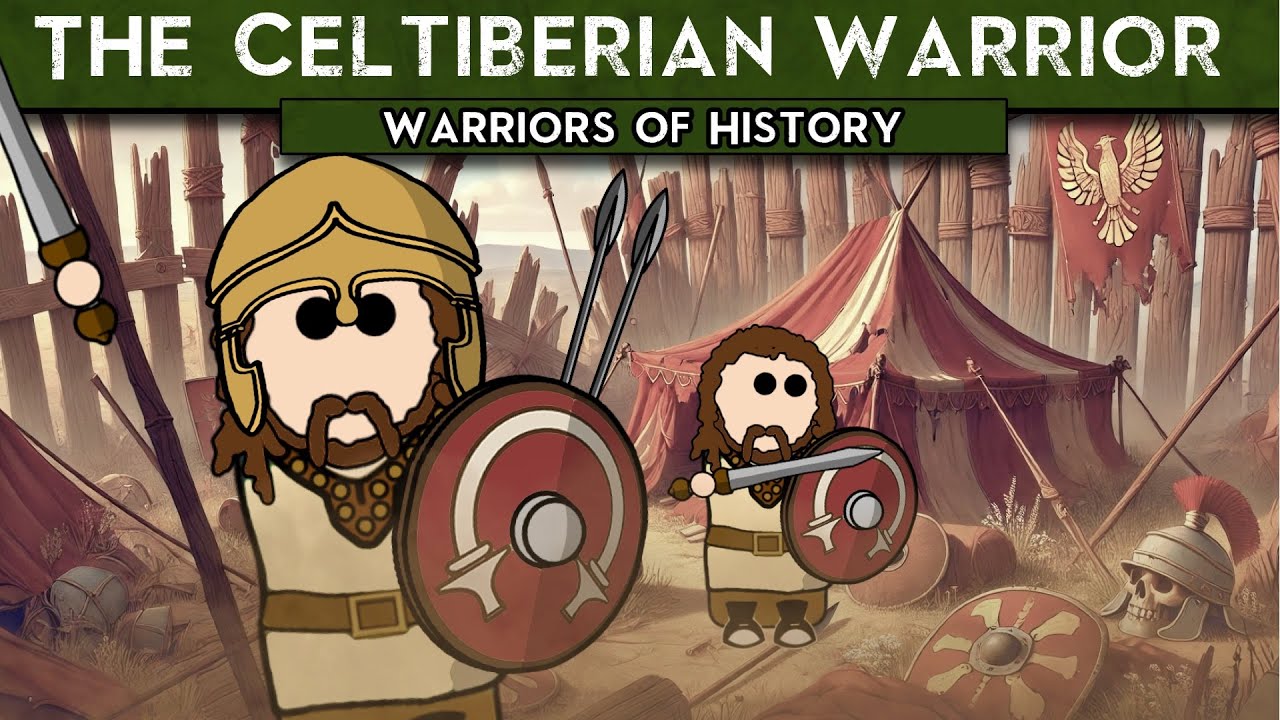
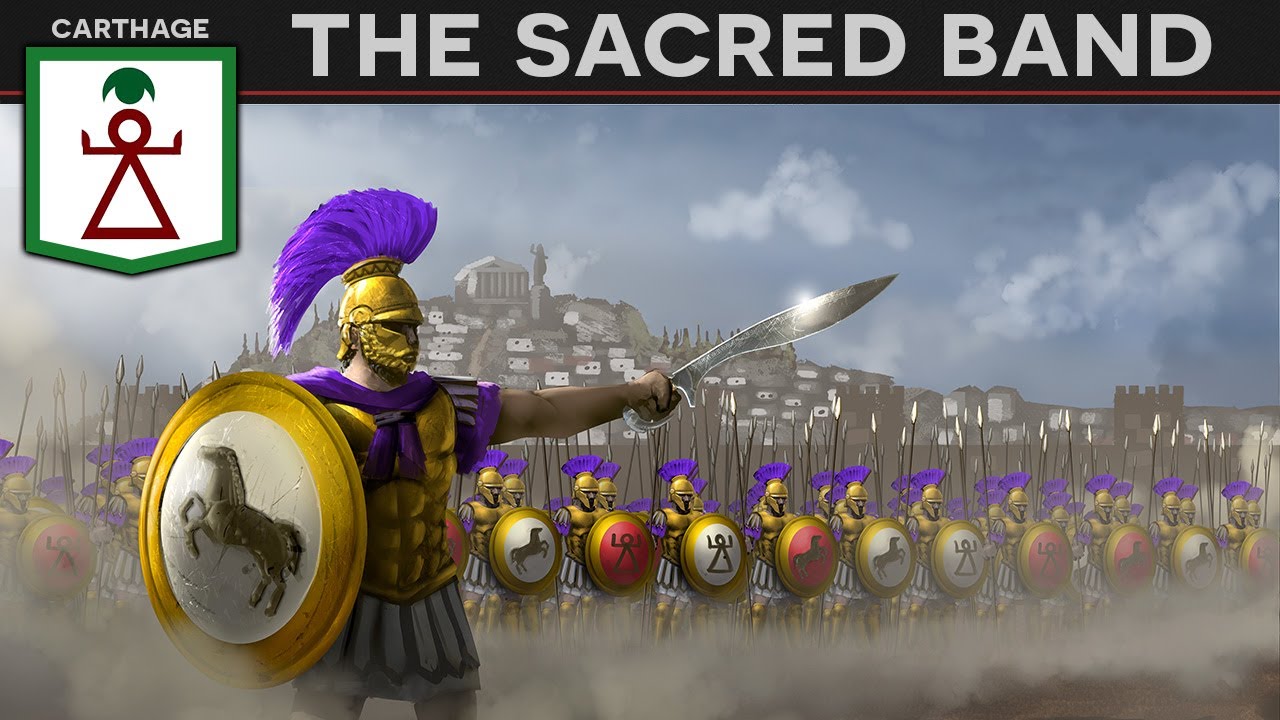
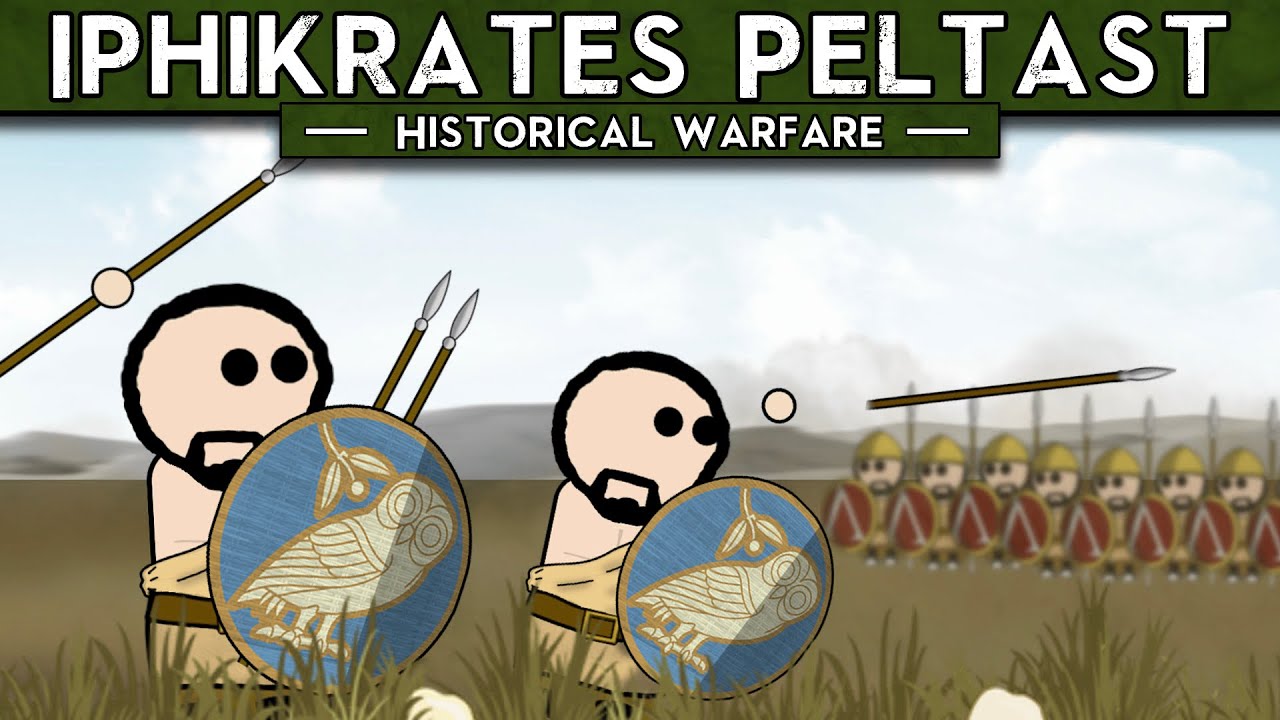
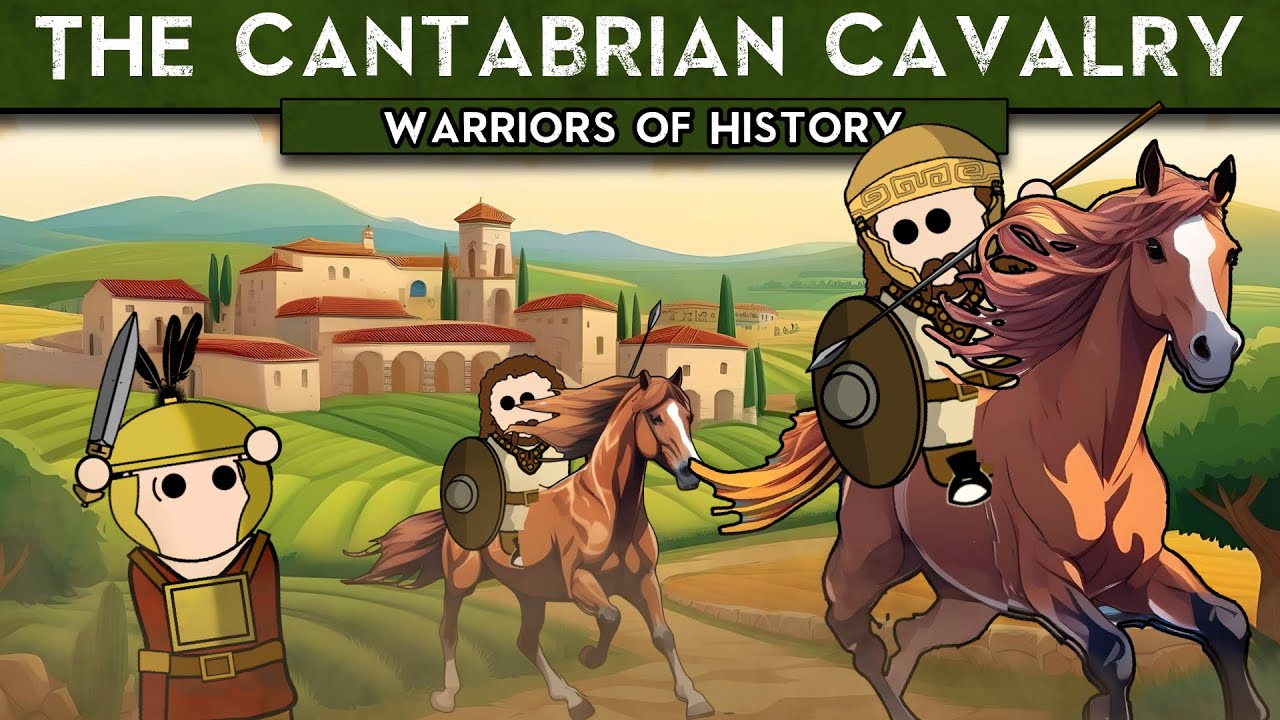
The Caetrati were a unique and formidable light infantry unit from ancient Iberia, known for their agility and skirmishing tactics. These warriors played a significant role in various conflicts across the Mediterranean region, often serving as mercenaries. Renowned for their ferocity and skill, they were highly valued additions to ancient armies, notably utilized by the Carthaginian general Hannibal during the Second Punic War. Despite Rome's eventual conquest of the Iberian Peninsula, the Caetrati resisted fiercely, using their mobility and guerrilla tactics, particularly under leaders like Viriathus the Lusitanian. Their ability to harass and disrupt enemy formations made them a persistent thorn in the side of the Roman legions.
The Caetrati were distinct in their use of minimal armor, favoring mobility over heavy protection. They typically wore simple tunics and a cardiophylax, a decorative circular piece providing some protection. While some Iberian warriors wore linen cuirasses in the Greek style or mail armor depicted in vase paintings, these heavier armors were more common among the scutarii, another class of Iberian infantry. Helmets varied, with bronze helmets of Greek influence, particularly the Corinthian style, being rare and likely reserved for nobles and tribal leaders. More commonly, they wore simple bronze or leather helmets, sometimes with neck and cheek guards. Strabo and Diodorus Siculus described these helmets as adorned with crests and plumes, adding to their distinctive appearance. The Montefortino helmet, originating in Celtic northern Italy, became widespread among Iberian troops due to its advanced design and effectiveness.
The Caetra, a circular shield between 30 and 90 cm in diameter, was a defining feature of these warriors. Tied to the body with ropes or leather straps, it provided great mobility and could be used effectively both on foot and horseback. Decorated with various patterns, the shield also served as a weapon, with the boss used to punch opponents. For offensive weapons, the Caetrati wielded the falcata, a sword renowned for its craftsmanship and devastating impact. This weapon, deeply embedded in Iberian culture, was often buried with its owner. The gladius hispaniensis, adopted by the Romans during their conquest of Iberia, highlighted the superior sword-making skills of the Iberians.
Spears and javelins were also integral to the Caetrati's arsenal. The falarica, a feared javelin with an iron tip, could be used both as a piercing weapon and a ranged incendiary device. The soliferrum, an all-iron javelin, was highly effective at penetrating armor. The tragula, a barbed spear, added to their versatile weaponry, capable of causing severe wounds.
The Caetrati's combat style was characterized by their agility and use of hit-and-run tactics. Their lack of heavy armor allowed them to move swiftly and strike quickly, making them ideal skirmishers. They often initiated battles by throwing volleys of javelins to disrupt enemy formations before engaging in close combat with their swords. The falcata's devastating power and the caetra's defensive capabilities made them formidable opponents in close quarters.
Their skirmishing tactics involved harassing the enemy from a distance, using the terrain to their advantage, and avoiding direct confrontation whenever possible. This approach was particularly effective against the heavily armored Roman legions, who were less accustomed to such mobile and unpredictable foes. Under leaders like Viriathus, the Caetrati employed guerrilla tactics, ambushing Roman forces and then melting back into the landscape, leaving their opponents frustrated and exhausted.
The Caetrati's ability to fight effectively both as individual warriors and as part of a coordinated unit made them a versatile and dangerous force on the battlefield. Their combination of speed, skill, and strategic use of their environment allowed them to punch above their weight in numerous conflicts, earning them a lasting place in the annals of military history.
SOURCES:
https://www.worldhistory.org/
https://www.britannica.com/
__________________________________________________________________________
SUBSCRIBE NOW : https://bit.ly/3aYZCOh
PATREON : https://bit.ly/3b0VixZ
MERCH : https://bit.ly/2X4d8rX
__________________________________________________________________________
MUSIC : by Alexander Nakarada
Music: by Alexander Nakarada (www.serpentsoundstudios.com)
Licensed under Creative Commons BY Attribution 4.0 License
__________________________________________________________________________
#AncientIberia #Iberia #AncientHistoryGuy
Повторяем попытку...
Доступные форматы для скачивания:
Скачать видео
-
Информация по загрузке: