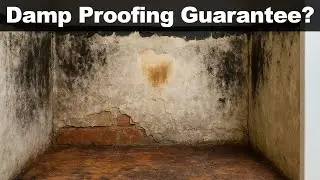
🎵 Damp proofing lies 🚫
Автор: Damp Surveys
Загружено: 2026-01-17
Просмотров: 163
Описание:
00:42 condensation on windows
01:00 leak test shows no leak
01:14 sub-floor at 84 percent RH
01:38 condensation forming on cold pipes
02:10 decking blocking airflow
02:45 RH rising to 96 percent
02:58 cold corner at 8.3°C
03:47 clutter blocking radiator heat
04:01 mould on internal mirror
04:24 no kitchen extractor
04:40 dehumidifier not running
05:07 internal RH 87 percent
05:23 no rising damp
06:42 insulate heating pipes
07:53 🎵 Song about damp proofing lies
✅ Conclusions and Recommended Actions
You were understandably worried about a hidden leak under the back room and kitchen, especially with damp, clutter at floor level and a strong smell in the cupboards.
🧪 Mains leak check
🪣 We discussed the earlier 15-minute water-meter test, which is not sensitive enough to pick up a very slow drip. I perform a much more accurate test, which was negative, i.e. there is currently no water leak.
🌫 Sub-floor humidity and ventilation
🌡 Under the suspended floor the hydrometer showed about 84 percent relative humidity at 14 degrees, so the Sub-Floor is humid but not yet in the danger zone. The readings, together with the blocked or partially obscured Sub-Floor Air Bricks and rear decking restricting air paths, indicate limited Sub-Floor Ventilation, which I want to keep under review rather than treat as an emergency.
🍄 Mould, smell and Vapour
👃 The musty smell in the cupboards and under the counter is from Mould, not water itself, because clean water does not smell to humans. Mould only grows when relative humidity exceeds 85%RH for long periods.
🧱 Rising damp ruled out
🚫 We located a clear Damp Proof Course in the wall and there are salts and mould patterns that do not match Rising damp. In London, rising damp that is water from groundwater (the water below the water table) is highly unlikely because groundwater is actively pumped down many metres below basements.
🧊 Cold surfaces and Thermal Bridging
📸 Thermal imaging showed the base of the wall and floor dropping to around 7–8 degrees while the rest of the room was warmer.
💨 Heat distribution and clutter
🔥 Because furniture and stored items are tight against the radiator and walls, warm air currents cannot circulate properly, so the heat shoots upwards and pools near the ceiling while the lower wall and floor remain cold. Reducing clutter and Keep objects away from walls, especially near radiators, will Encourage Flow of Warm Air Currents across the floor and wall surface so they dry out and insulate better.
💧 Dehumidifier as main tool
📊 Your previous dehumidifier use removed at least 120 litres over 18 months, which is strong evidence of ongoing excess Vapour in the air . I recommend treating a good 20 litre per day unit as a core part of the solution: Use a Dehumidifier with a continuous drain into the kitchen sink, set to about 70 percent relative humidity, running 24/7 on the lower level.
🌍 Why a dehumidifier is efficient
⚙ A drier house feels warmer at the same thermostat setting, the walls lose less heat once Surface Condensation is under control, and the dehumidifier hands back some of the energy: turning vapour into liquid releases heat.
🥘 Managing everyday Vapour sources
🌬 Even though you cook and wash a lot at your mum’s, a normal household still generates around 2 litres of Vapour per day from breathing, occasional cooking and finishing off laundry .
🚿 Bathroom and door habits
🚪 Even though the main visible problem is downstairs, the same physics apply in the bathroom: Bathroom Vapour Management matters because steam can drift downstairs and add to the load.
🪵 Sub-floor monitoring and future ventilation
📉 The hydrometer under the floor will tell us whether the Sub-Floor Humidity spikes and then falls, or sits stubbornly high.
❌ Remaining uncertainty: sub-floor trend
📸 At the time of the survey, the readings were a snapshot, so there is still some uncertainty about how the Sub-Floor behaves over wet and dry spells. It was increasing suggesting poor airflow. Consider installing an additional air brick. If it were my property I would use the dehumidifier first to see if that solves the sub-floor humidity - it could take6 - 9 months. There were no signs of rot in the sub-floor of structural significance.
🔩 Pipes and insulation
🧵 The thermal camera showed hot heating pipes leaking heat straight into the underfloor void, warming the Sub-Floor air while the room above still feels cool. Simple tubular foam to Insulate Pipes under the floor will reduce wasted heat and help keep warmth in the room where you need it.
✅ Overall conclusion and priorities
🏡 Pulling this together, the evidence points away from a mains leak or Rising damp and towards a combination of excess internal Vapour, cold bridged surfaces, clutter against radiators and limited underfloor ventilation.
Повторяем попытку...

Доступные форматы для скачивания:
Скачать видео
-
Информация по загрузке: