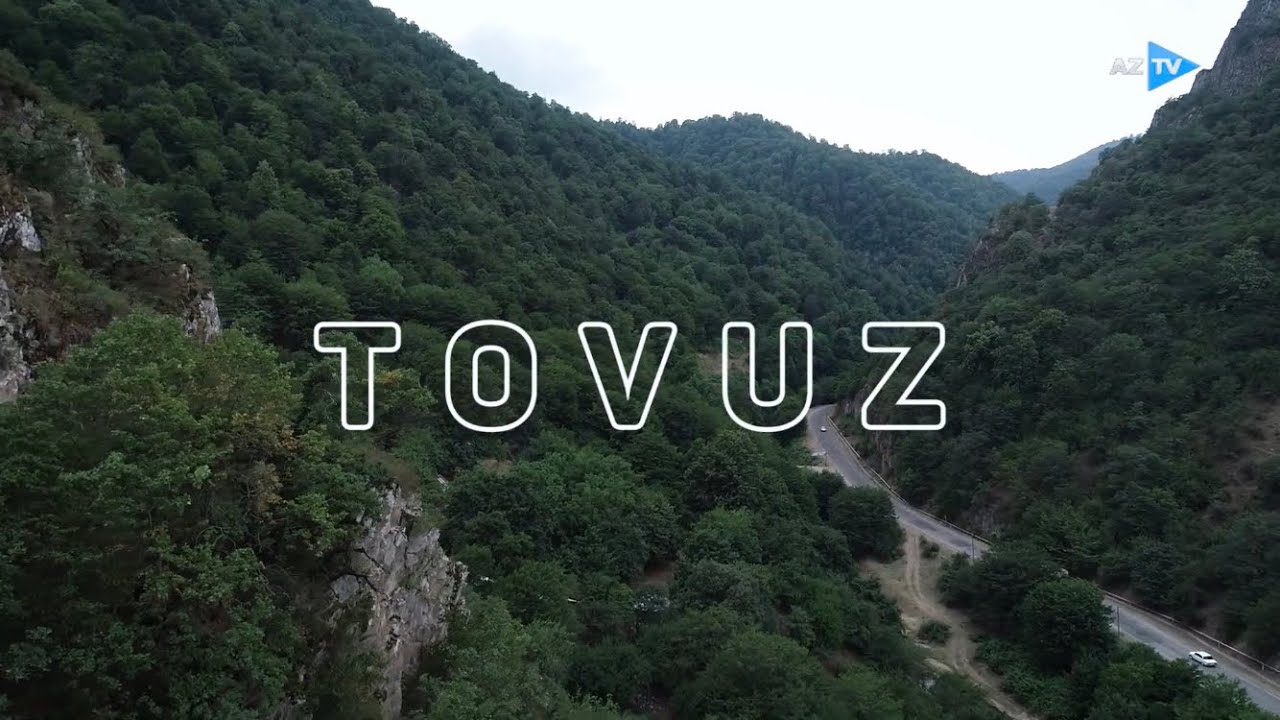
Tovuz - Azerbaijan / Asrik valley and Central Park of Tovuz district
Автор: AGİ travelers
Загружено: 2023-04-26
Просмотров: 5946
Описание:
#azerbaijan #tovuz #4k #centralpark #central #azerbaycan #azeri #valley #district #4kwalk #4kstatus #4kwalkingtour #travel #baku #bakuazerbaijan
Tovuz District (Azerbaijani: Tovuz rayonu) is one of the 66 districts of Azerbaijan. It is located in the north-west of the country and belongs to the Gazakh-Tovuz Economic Region. The district borders the districts of Gadabay, Shamkir, Samukh, Agstafa, as well as the Tavush Province of Armenia and Kakheti region of Georgia. Its capital and largest city is Tovuz. As of 2020, the district had a population of 177,200. A major train line runs through the center, stopping at Tovuz Station.In July 2020, Tovuz became the main site for the clashes with Armenia.
Geography
Tovuz covers 412 km2. The rayon is mountainous in the south, where it is crossed by the Lesser Caucasus mountains.
The region includes rich deposits of ores and precious metals, notably gold.
The region is located in the north-west of the Republic, bordering Georgia to the north, Armenia to the west, Gadabay to the south and south-west, Shamkir to the east, Samukh from north-east to the north.
The southern part of the district is located in the lowlands, the northern part lies in low mountainous and foothill zone, where positive and negative relief forms are shifted. There are three climate areas in the district:
Dry subtropical climate. Characterized by soft summers and hot springs.
Mild hot dry climate. This is a climate up to place less than 1000 meters high. The winter is mild and the spring is warmer.
Mild cold, forest climate. This climatic hill covers the area from 1,000 to 2,000 meters. The spring is cool, and the winter is a bit frosty.
The river network:
the Kur River in the north
the Tovuz River in the central part
the Akhunca River,
the Asrik River,
the Zayam River in the eastern part and its small arms,
The Kur River divides the region into two parts. The left coast is used as the main pasture for cattle breeding. The right bank of the river is used for agriculture, occupies the forest fund of the region and the meadow grassland. The annual rainfall is 40–70 mm.
Villages
There about 20 main villages in the district. They are Quşçu, Öysüzlü, Ayıblı, Alakol, Yuxarı Öysüzlü, Abulbəyli, Düz Qırıqlı, Düz Cırdaxan, Yanıqlı, Qəribli, Azaplı, Bozalqanlı, Dönük Qırıqlı, İbrahimhacılı, Dondar Quşçu, Kirən, Əlibəyli villages and Qovlar settlement. Qovlar settlement is more populated area among them.
Population
According to the statistics urbanization is low in the district. 26968 people live in the city and 130907 people live in the village. According to census of 2019, Tovuz has over 175.5 thousand people, out of which 1531 are war veterans.
Over 25536 are students and currently are in process of education.
According to census of 2012 quantity of people from different nations were divided in this way:
Tovuz District 157875
Azerbaijanis 157599
Turkish 157
Russians 76
Talysh 6
Таtars 4
Armenians 4
Other nations 21
Cultural centers
In Tovuz district, there are 4 museums, 13 cultural centers, 6 libraries and a Photo Gallery.Mədəniyyət - TOVUZ RAYON Icra Hakimiyyəti. Museums include Heydar Aliyev Center, History and Local Lore Museum, Ozan Ashug Museum and State Symbols Museum.
Повторяем попытку...

Доступные форматы для скачивания:
Скачать видео
-
Информация по загрузке: