Seven Retirement Income Strategies You Need to Know - Pros vs Cons
Автор: HighPass Asset Management
Загружено: 2026-03-02
Просмотров: 82
Описание:
Investors have options for how they take retirement income from their portfolio. In this video I review seven retirement income strategies every investor should know about. I review the pros and cons of each retirement income strategy. I show helpful illustrations for several of these retirement income strategies.
The seven retirement income strategies are:
1. Zero Coupon Treasury Ladder
2. Fixed Systematic Withdrawal
3. 4% Rule
4. Immediate Annuities
5. Variable Annuities
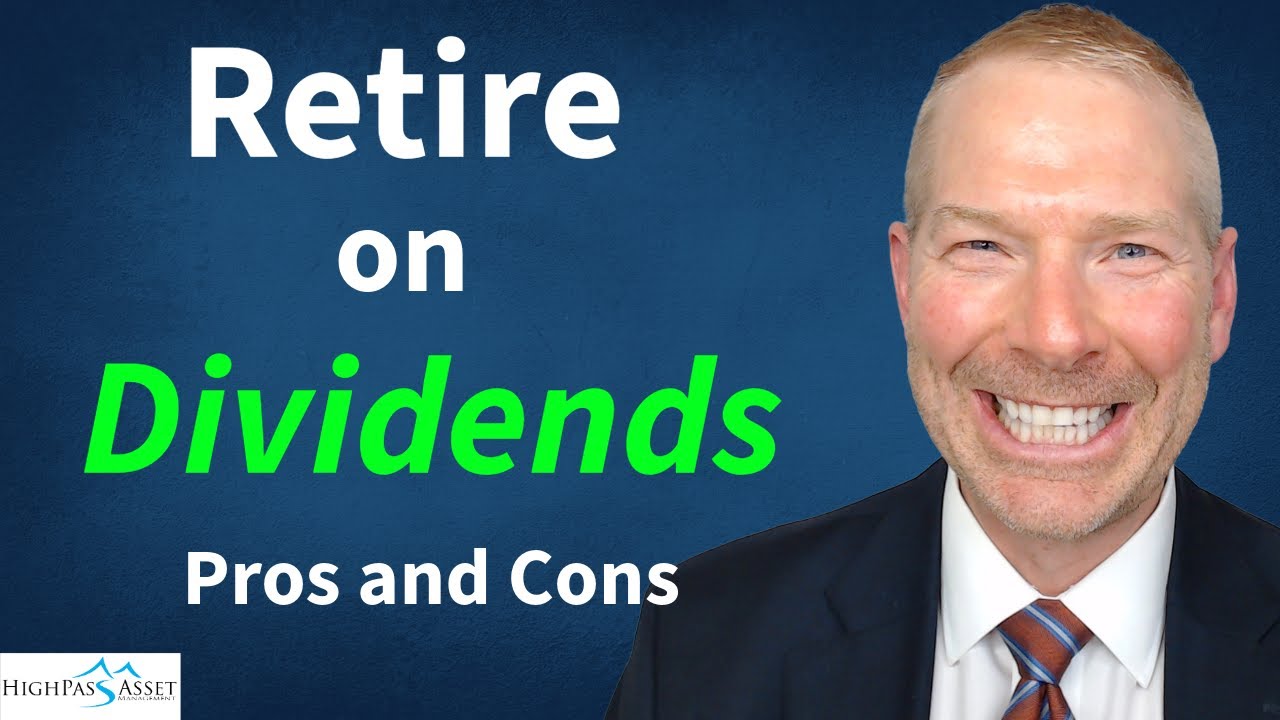
6. Spending Dividends
7. Rental Real Estate
If you have questions about your investments or you need retirement or estate planning help, we would be happy to review your situation.
[email protected]
303 – 357 – 4602
HighPass Asset Management
4600 S Syracuse Street, Suite 900
Denver, CO 80237
Timestamps
00:00 Intro
00:24 Zero Coupon Treasury Ladder
02:34 Fixed Systematic Withdrawal
04:08 4% Rule
06:41 Immediate Annuities
07:20 Variable Annuities
08:08 Spending Dividends
08:49 Rental Real Estate
This video is for educational and illustrative purposes and is not financial, tax or legal advice. Your broker or advisor will charge you fees or commissions to make investments and therefore your returns will be less than indexes. For example, if you invest in the S&P 500 ETF, SPY, you will pay a fee to the company managing the ETF, State Street Global Advisors. Your return on the S&P 500 ETF, SPY, will be less than the S&P 500 Index TR because of the fee paid to State Street Global Advisors. Additionally, you may pay a fee or commission to your broker or financial advisor, further reducing your return, below the index. Consult your advisor or broker for a detailed list of their fees or commissions before you invest. Investing involves risk and you can lose money.
This video is for educational and illustrative purposes and is not financial, tax or legal advice. Your broker or advisor will charge you fees or commissions to make investments and therefore your returns will be less than indexes. For example, if you invest in the S&P 500 ETF, SPY, you will pay a fee to the company managing the ETF, State Street Global Advisors. Your return on the S&P 500 ETF, SPY, will be less than the S&P 500 Index TR because of the fee paid to State Street Global Advisors. Additionally, you may pay a fee or commission to your broker or financial advisor, further reducing your return, below the index. Consult your advisor or broker for a detailed list of their fees or commissions before you invest. Investing involves risk and you can lose money.
Повторяем попытку...
Доступные форматы для скачивания:
Скачать видео
-
Информация по загрузке: