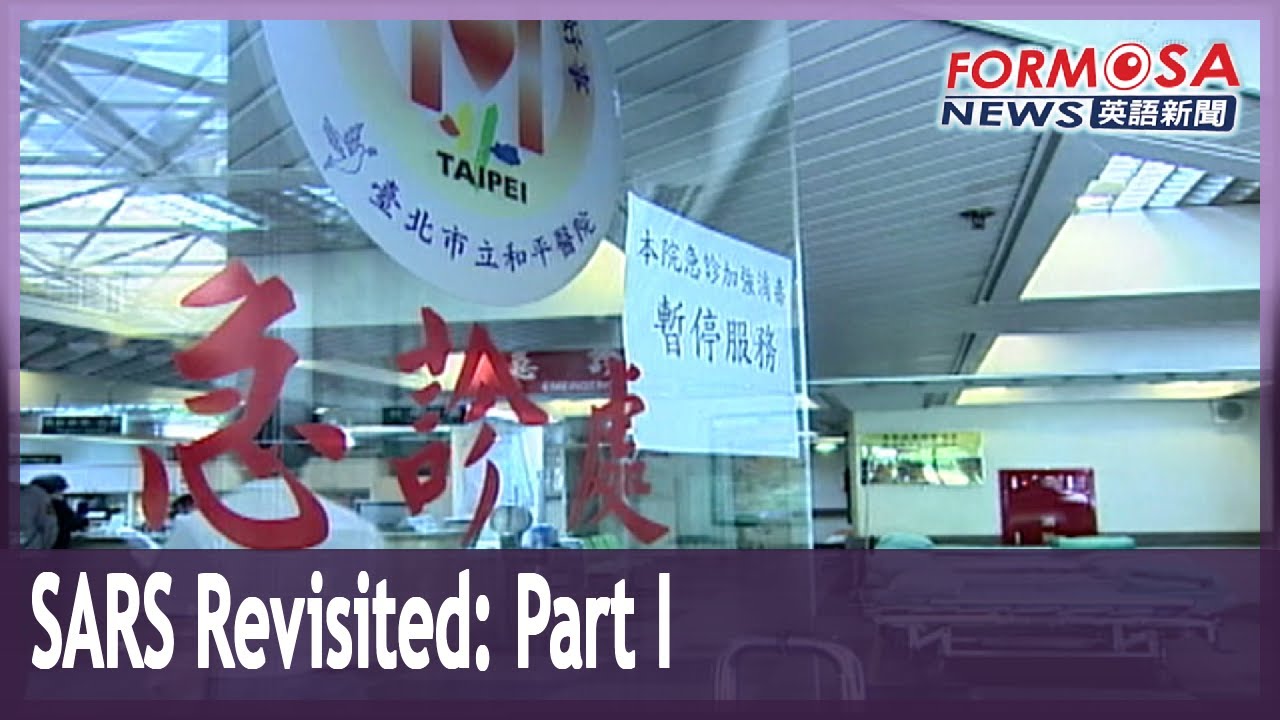
Looking back on the 2003 SARS crisis: Part 1
Автор: Formosa News (民視英語新聞)
Загружено: 2020-05-31
Просмотров: 5759
Описание:
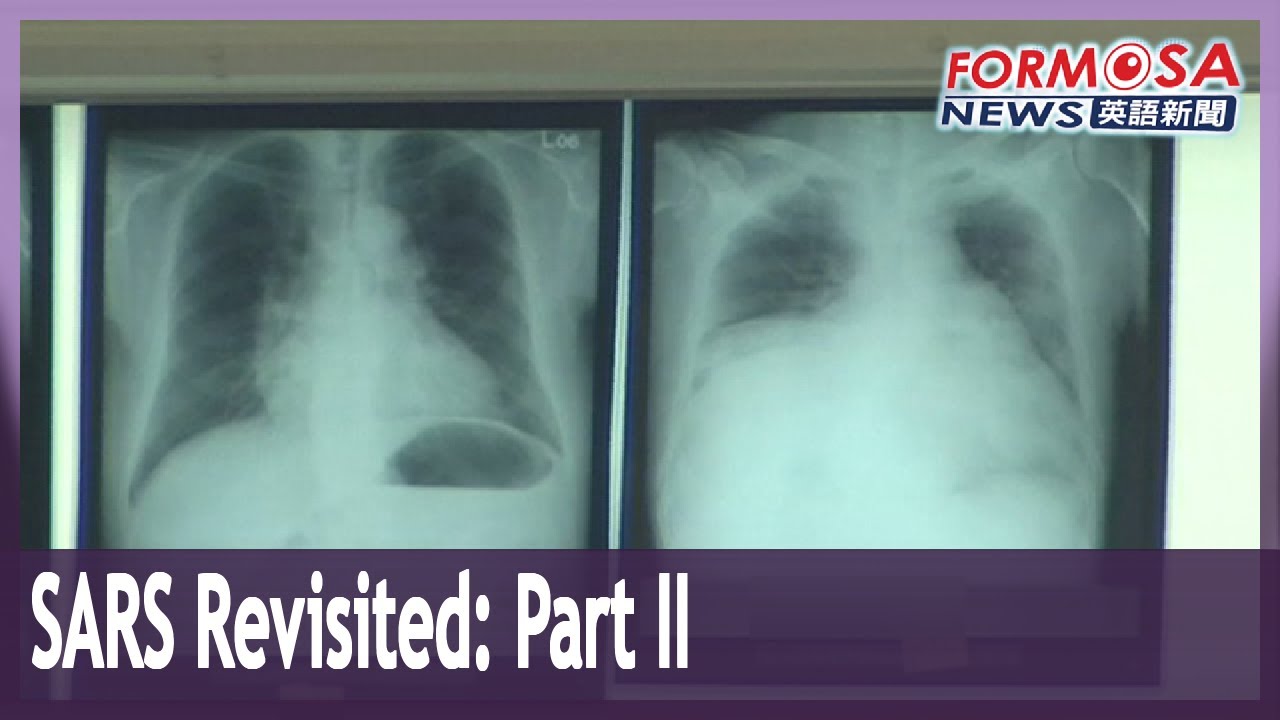
In late 2002, a mysterious disease with pneumonia-like symptoms emerged, seemingly out of nowhere. Over the next year, what became known as severe acute respiratory syndrome, or SARS, infected more than 8,000 people around the globe and killed 775. It confounded health care workers, who were unsure how it spread and how to treat it. After invading Taiwan, SARS escalated into a crisis that is still a painful memory today. Today in the first part of our special report on SARS, we revisit the unfolding of an epidemic that would go on to shape public policy for years to come.
In 2003, not long after the Lunar New Year holiday, a never-before-seen disease took hold of Asia.
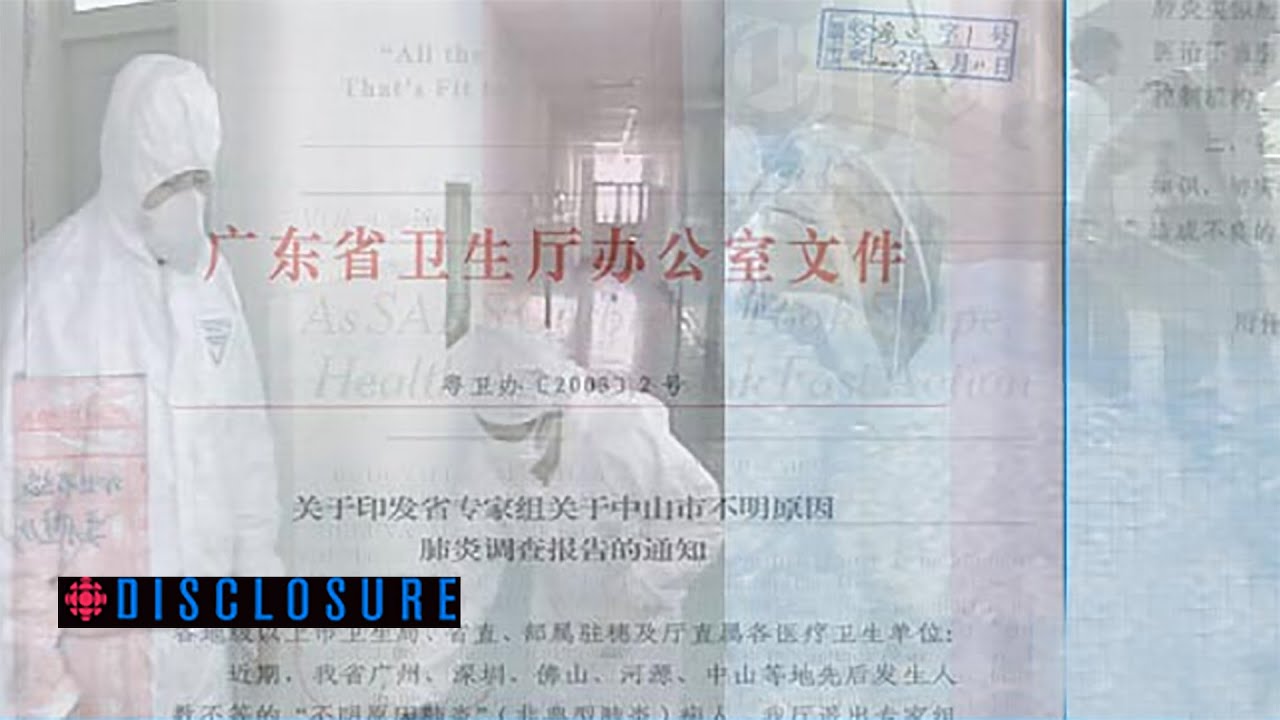
A few months earlier, news began spreading online that there was a highly contagious, highly fatal disease spreading in China. Doctors were said to be calling it an atypical pneumonia, although Chinese officials refused to confirm the reports.
Finally, on Feb. 10, 2003, China reported to the World Health Organization that in Guangdong province, 305 people had contracted SARS. Five of them had died. What was unusual about the outbreak was that one-third of those infected were medical personnel.
Twu Shiing-jer
Then-health director
How do medical personnel contract illnesses? Health care workers frequently come in contact with many types of disease, viruses, bacteria. They’ve had it all before, so they’re mostly immune to all manner of viruses. So when an illness strikes two or three medical staff at the same time, we’d find that very strange. How can they be infected like this at the same time? Could it be that nobody has the antibodies for it, and it’s a new disease? At that time, we already had suspicions that this was a new contagious disease.
One month later, SARS arrived in Taiwan. On March 8, 2003, the emergency room at the National Taiwan University Hospital treated a patient who had returned to Taiwan from China and presented a cough and high fever. After being admitted, the patient developed breathing difficulties and was transferred to intensive care. It was something doctors had not seen before. Not only was the patient’s deterioration fast, less than one week later, his wife was hospitalized, too.
Lee Yuan-teh
Then-NTU Hospital director
More importantly, his wife came in six days later. That made two people in one household. Our emergency room specialist felt that something was wrong and notified the infectious diseases department. Professor Chang Shan-chwen told us that this could be Taiwan’s first SARS patient. Then another six days later, their child also came in. So the family was hospitalized.
Twu Shiing-jer
Then-health director
The son of the businessman surnamed Chin was doing his alternative military service at the Taiwan Centers for Disease Control. When his father came back from Guangdong, China, the son sensed that something was off and notified the CDC. Actually it was the CDC that notified NTU about this case. His son happened to be working with us at the time. Both sides understood that this might be a case of SARS.
Health authorities and medical staff were at wit’s end. What they were facing was a never-before-seen invisible enemy. The U.S.’ Centers for Disease Control sent specialists to Taiwan to provide support.
Chen Tzay-jinn (March 16, 2003)
CDC director
If this is some type of bacteria or virus, then it is one that has mutated considerably. It is not any of the viruses or bacteria that existed before.
Lin Ho-hsiung (March 14, 2003)
NTU spokesman
Besides being caused by bacteria, atypical pneumonia can be caused by filterable viruses. Or a type of bacteria like mycoplasma and chlamydia.
Later the WHO confirmed that the cause of the disease was a coronavirus, a type of virus named for its spherical and crown-like appearance. The WHO gave the disease a name: severe acute respiratory syndrome, or SARS.
Chang Wu-hsiu
Pathologist
Our bodies have DNA. When the coronavirus binds to the host, it uses its RNA to create something like DNA, which it inserts in the host. This false DNA cannot be identified and expelled by the host. That’s how the coronavirus uses the host to produce large quantities of itself. Then those viruses go out into the body, infecting other cells. The coronavirus works fast. It can hijack your cells in no time at all.
Once the first case of SARS appeared, others began cropping up. One infection cluster was a group of employees who contracted the virus on a flight from Hong Kong to Beijing.
Twu Shiing-jer
Then-health director
Our deputy health director Lee Lung-teng had already met with the Executive Yuan. He said that since there was this case involving a Taiwanese businessman from China, we should close the border. Of course, he was immediately overru
Повторяем попытку...
Доступные форматы для скачивания:
Скачать видео
-
Информация по загрузке: