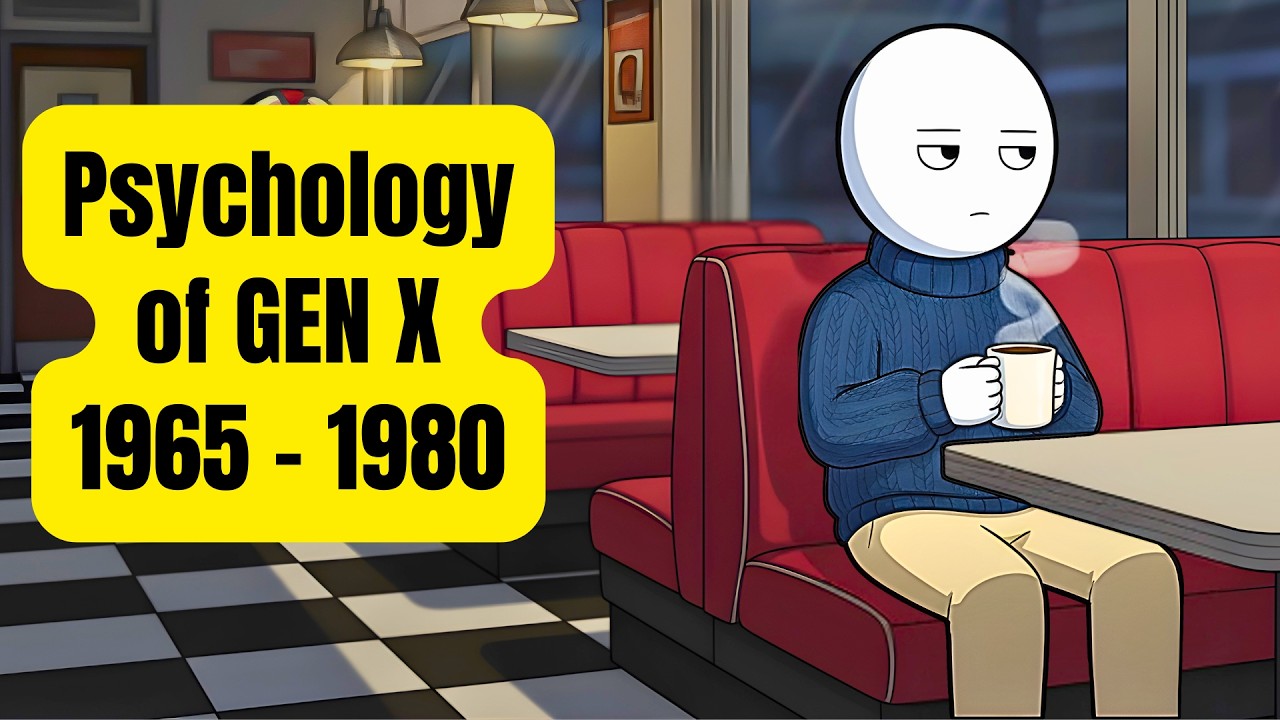
Psychology Of GEN X
Автор: The Psyphysis
Загружено: 2026-02-22
Просмотров: 2875
Описание:
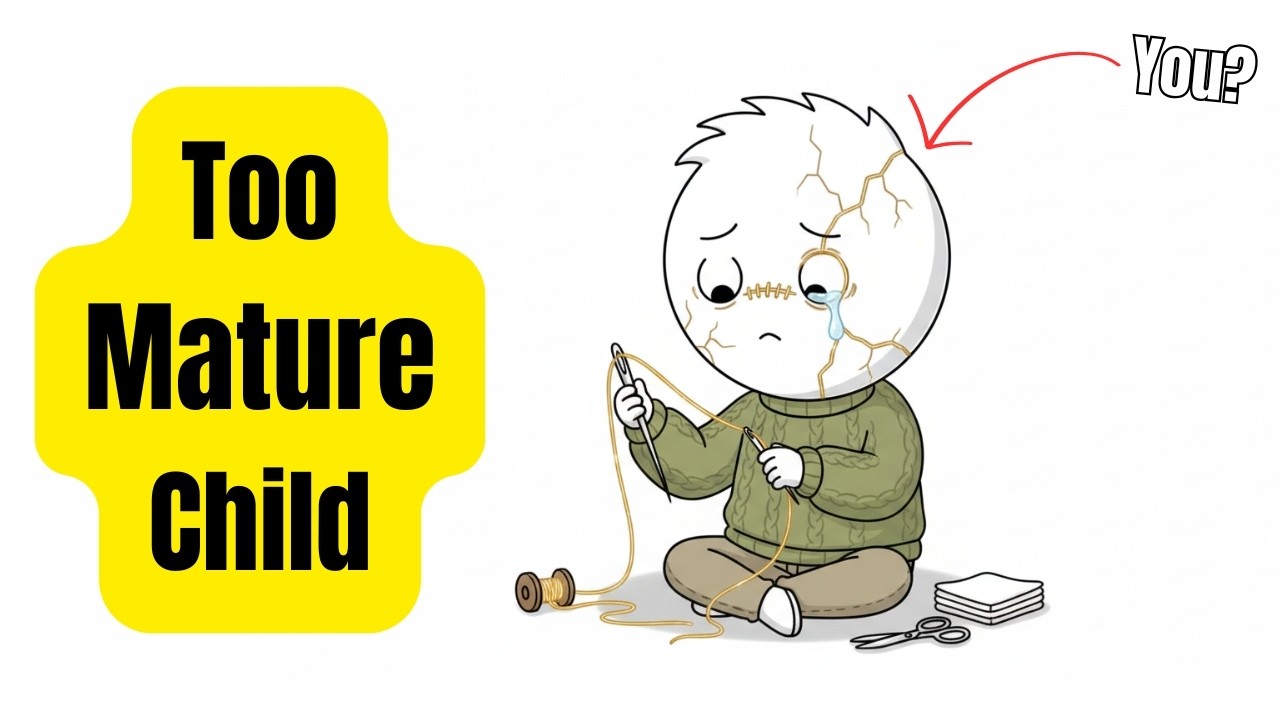
Psychology of Gen X: The Generation That Built Themselves
Born between 1965 and 1980, Generation X is often referenced — but rarely examined. This psychological deep dive explores how growing up as latchkey kids during institutional instability shaped a generation defined by self-reliance, emotional containment, and quiet competence.
Why do you double-check the stove?
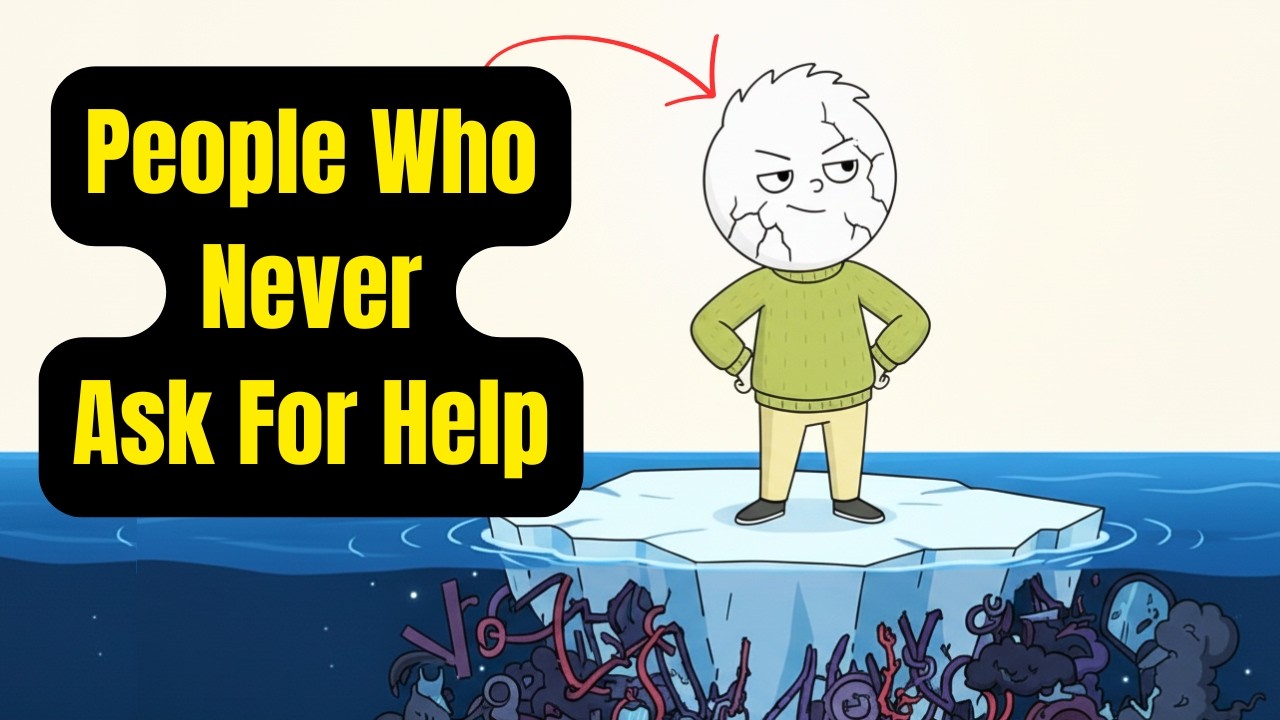
Why does asking for help feel like failure?
Why are you calm in crisis — but unwilling to talk about it afterward?
This video unpacks the nervous system architecture behind Gen X behavior, tracing it back to early independence, inconsistent attachment scaffolding, and repeated institutional betrayal during formative years.
We examine:
The Latchkey Effect: How unsupervised childhood built self-reliance at a neurological level.
Avoidant Attachment Adaptation: Why suppressing connection was once protective — and still runs automatically.
Effortful Retrieval Encoding: How growing up analog built deep cognitive integration and skepticism toward easy answers.
Future Expectancy Bias: How Watergate, economic instability, and corporate layoffs recalibrated your baseline assumptions.
Bayesian Updating vs Cynicism: Why expecting systems to fail is statistical adaptation, not negativity.
Occupational Chronicity: Why you invest in competence, not institutions.
Internalized Locus-of-Control Conflict: Why help-seeking triggers shame instead of strategy.
Mirrored Regulation & Emotional Containment: How learning to self-regulate built capacity — and loneliness.
Developmental Safety of Erasure: The last generation allowed to rebuild without permanent documentation.
Cognitive Flexibility Under Pressure: Why holding contradictory truths predicts long-term resilience.
This is not a nostalgia piece.
It’s a structural analysis of how timing shaped psychology.
If you’ve ever felt quietly exhausted but incapable of stopping…
If you’ve built yourself without asking for applause…
If you’ve adapted without calling it trauma…
This video explains why.
If this resonates, you may also want to watch:
Psychology of Xennials: Why Silence Feels Dangerous
👉 • Psychology of Xennials: Why Silence Feels ...
Psychology of Gen Z: Why Everyone Gets Them Wrong
👉 • Psychology of Gen Z: Why Everyone Gets The...
Psychology of People Who Cut Everyone Off
👉 • Psychology of People Who Cut Everyone Off
Psychology of People Who Never Ask For Help
👉 • Psychology of People Who Never Ask for Help
This video is perfect for those interested in:
✔ Generational psychology
✔ Gen X identity and behavioral patterns
✔ Attachment theory and avoidant attachment
✔ Nervous system adaptation and polyvagal theory
✔ Institutional trust and expectancy bias
✔ Self-reliance psychology and emotional regulation
Whether you identify as fiercely independent, quietly depleted, or simply aware of patterns others miss, this breakdown provides research-backed insight into the psychology of the generation that learned to build itself.
Subscribe for more deep dives into hidden behavioral patterns, generational psychology, and the unseen mechanisms shaping modern identity.
Chapters:
00:00 The Overlooked Generation
01:08 The Latchkey Foundation
02:42 Attachment & Rerouting
04:10 Analog Depth & Effortful Encoding
05:55 Institutional Betrayal & Expectancy Bias
07:30 The Self-Reliance Paradox
09:15 What Was Lost — And What Was Built
10:40 The Reframe
References:
Latchkey Research:
Hofferth, S. L. (1995). Effects of after-school care on child development.
Attachment Theory:
Ainsworth, M. D. S. (1978). Patterns of Attachment.
Future Expectancy Bias & Adolescent Brain Development:
Arain, M., et al. (2013). Maturation of the adolescent brain. Neuropsychiatric Disease and Treatment.
Effortful Retrieval Encoding:
Bjork, R. A., & Bjork, E. L. (2011). Making things hard on yourself, but in a good way.
Occupational Chronicity & Adult Development:
Journal of Adult Development (various longitudinal findings on help-seeking behavior).
Disclaimer: This channel is created for educational and informational purposes only. It is not intended to replace professional psychological, medical, or therapeutic advice.
#GenX #GenerationalPsychology #AttachmentTheory #SelfReliance #Psychology #AvoidantAttachment #BehavioralPsychology #MentalHealth
Повторяем попытку...
Доступные форматы для скачивания:
Скачать видео
-
Информация по загрузке: