How to Get Quiet Students to Speak: The Power of Rapport | Teaching English 101
Автор: Teaching Dream
Загружено: 2026-01-08
Просмотров: 7
Описание:
Teachers guide and downloadable materials link:
https://t.me/teachingdream
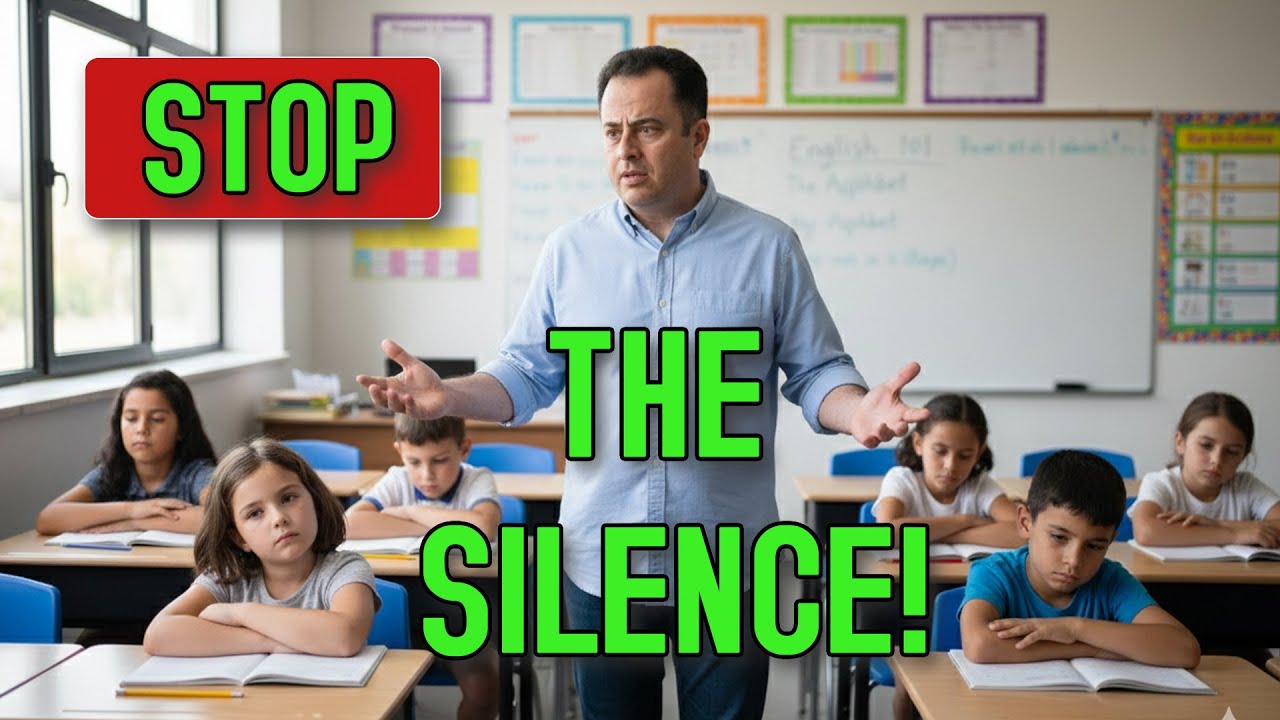
👩🏫 Why do students stay silent even when your lesson is good?
This video explains the real reason: rapport = psychological safety.
━━━━━━━━━━━━━━
In this practical English teaching lesson, you’ll learn why young learners (ages 4–12) stop speaking when they don’t feel safe being wrong — and how small teacher moves can change everything. 🧠✨
You’ll discover:
✅ What rapport really means (it’s not being fun)
✅ How the first 5 minutes of class shape student behavior
✅ Simple habits that build trust and confidence
✅ Quiet mistakes that secretly damage rapport
✅ How to repair trust when things go wrong
⏱️ 2. Timestamped Chapter List (From SRT Timecodes)
---------------------------------------------------
00:00:01 – Why Students Go Silent in English Class
Students stop talking despite good lessons and activities
00:00:22 – The Real Reason Kids Don’t Speak
It’s not materials, instructions, or “difficult students”
00:00:35 – What “Safe Enough to Be Wrong” Really Means
Why fear of mistakes shuts down language
00:00:50 – What Teachers Call Rapport (And Why It’s Misunderstood)
Why rapport is not about fun or energy
00:01:05 – Psychological Safety: The Missing Piece
How safety unlocks risk‑taking and speaking
00:01:29 – What to Do When Safety Cracks
Why rapport will break — and why that’s normal
00:02:11 – Why Kids Laugh but Don’t Answer Questions
Brain stress, silence, and language shutdown
00:02:54 – Rapport Is Safety That Feels Real
Care that feels personal, not performative
00:03:12 – Stress Down, Language Up
The affective filter explained in simple terms
00:03:29 – Rapport Is a Skill, Not a Personality
Why being “nice” or energetic isn’t enough
00:03:50 – Small Teacher Habits That Break Trust
Missed hands, rushed corrections, ignored answers
00:04:34 – Silence and Joking Are Stress Reactions
Why behavior problems are often nervous system signals
00:04:50 – The One Question Teachers Should Ask
“Do my students feel safe being wrong with me?”
00:05:09 – Slowing Your Response to Build Safety
Calm noticing instead of fast correction
00:05:35 – Errors Should Not Cost Safety
How teacher responses train the brain
00:06:07 – The Most Important Part of Any Lesson
Why the first five minutes matter more than activities
00:06:23 – The Silent Student Question: “Am I Seen?”
How attention opens or closes instantly
00:07:02 – Common First‑Minute Mistakes Teachers Make
Rushing setup instead of building connection
00:07:33 – Door Greetings Using Student Names
Why names come before instructions
00:07:55 – Eye‑Level Positioning and Power Signals
How body height communicates safety or control
00:08:14 – Showing Something Human as a Teacher
Inviting students into your world (without oversharing)
00:08:52 – What Changes When Safety Is Built
Faster hands, longer focus, earlier speaking
00:09:17 – Why a Child’s Name Is Identity
Belonging, effort, and risk‑taking
00:09:45 – The Hidden Damage of Changing Names
Why shortening or anglicizing names breaks trust
00:10:30 – Using Names to Shape Positive Identity
“Brave Bruno” and effort‑based recognition
00:12:13 – Rapport Is Safety, Not Smiles
Why predictability beats friendliness
00:12:33 – Rapport as a Bank Account
Deposits, withdrawals, and emotional consistency
00:13:16 – How Mood Changes Destroy Trust
Why unpredictability feels unsafe to children
00:14:24 – Specific Noticing vs. Empty Praise
Why fake praise quietly kills rapport
00:14:49 – Listening Reduces Stress and Increases Speaking
Why interruption shuts language down
00:15:32 – Responding to Meaning Before Accuracy
Letting students finish before correcting
00:16:01 – Handling Emotions Without Losing Structure
Pause, acknowledge, then return to the lesson
00:16:46 – Fair Doesn’t Mean Equal
Meeting different students’ safety needs
00:17:05 – Supporting Quiet and Shy Learners
Thumbs‑up checks and side‑by‑side interaction
00:18:26 – The Big Mistake: Treating Everyone the Same
Why equal attention helps confident students only
00:19:57 – Silent Killers of Rapport
Comparison, fake praise, and ignoring emotions
00:21:07 – 30 Seconds of Repair Saves 30 Minutes
Why repair matters more than moving on
00:21:39 – Rapport Will Break (And That’s Okay)
Professionalism is repair, not perfection
00:22:41 – The 3‑Step Rapport Repair Process
Go private, be specific, reset safety
00:23:55 – Final Framework: Build, Protect, Repair
How to maintain speaking, trust, and engagement long‑term
Повторяем попытку...
Доступные форматы для скачивания:
Скачать видео
-
Информация по загрузке: