Colombia-Venezuela Reconciliation: Why the US Opposes Peace
Автор: Veteran's Voice
Загружено: 2025-12-21
Просмотров: 21
Описание:
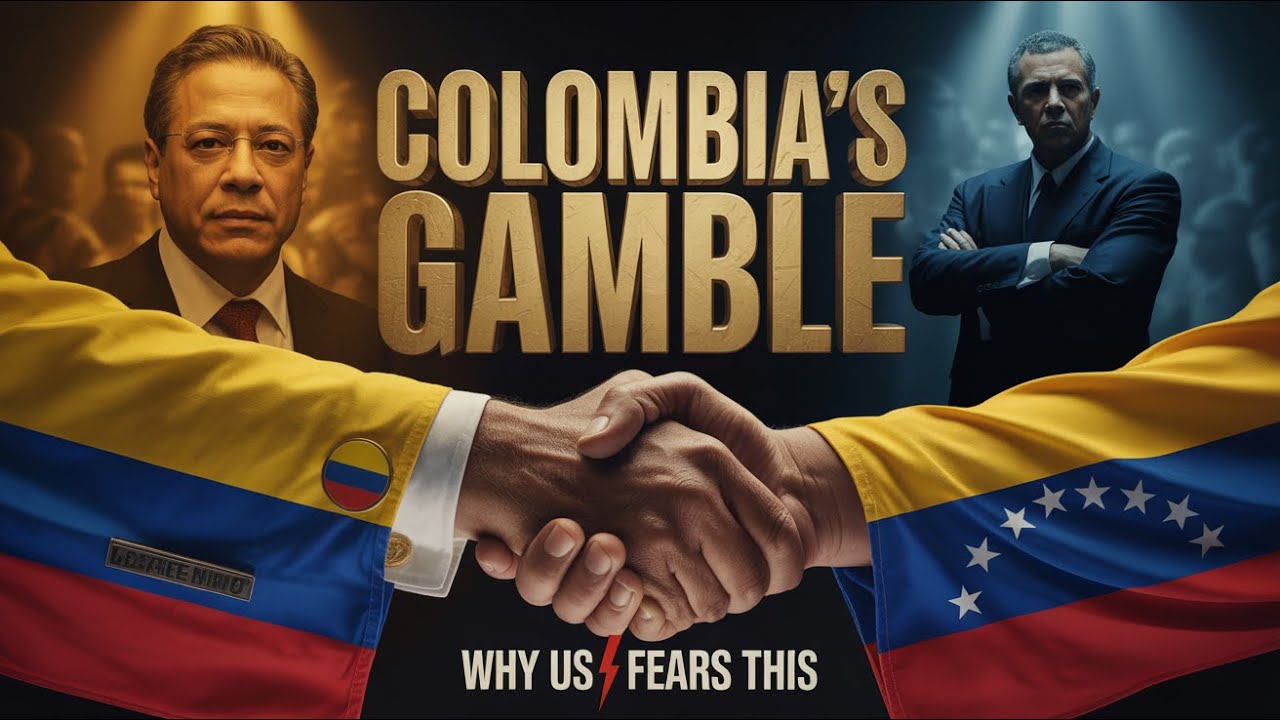
🌎 COLOMBIA'S GAMBLE: Why Washington Opposes the Petro-Maduro Reconciliation
In 2022, something unprecedented happened on Latin America's most militarized border. Colombia's new leftist president Gustavo Petro reopened ties with Venezuela's Nicolás Maduro—defying decades of US-backed isolation strategy. By 2025, this reconciliation has restored trade, managed refugee flows, and positioned Colombia as a regional mediator.
But Washington isn't celebrating. Why would the United States oppose peace between its closest South American ally and its primary regional adversary?
📊 IN THIS CRISIS CHRONICLES ANALYSIS:
The 2022 Colombia-Venezuela border reopening and its strategic significance
How Gustavo Petro's leftist presidency changed Colombian foreign policy
Why the US "maximum pressure" strategy on Venezuela failed
The role of China and Russia in supporting Venezuelan resilience
Four potential scenarios for the region's future
What this reveals about declining US influence in Latin America
⏱️ TIMESTAMPS:
0:00 - Introduction: The Border That Changed Everything
0:45 - Current Situation: Petro's Diplomatic Revolution (2022-2025)
3:30 - Historical Context: From Uribe-Chávez Hostility to Guaidó's Failure
6:30 - Key Players Analysis: Colombia, Venezuela, US, China Interests
8:45 - Why Washington Opposes This: The Real Strategic Fears
10:00 - Four Potential Scenarios: What Happens Next
11:15 - Why This Matters Globally: The End of the Monroe Doctrine?
11:45 - Conclusion & What to Watch
🔍 KEY TOPICS COVERED:
Colombia Venezuela relations | Gustavo Petro foreign policy | Venezuela sanctions effectiveness | US Latin America influence | China Belt and Road | Colombia border security | Venezuelan refugee crisis | Regional mediation diplomacy | Maduro government survival | Progressive wave Latin America | Geopolitical analysis 2025
📚 SOURCES & FURTHER READING:
Council on Foreign Relations: US-Venezuela Relations Analysis (2024)
Reuters: Colombia-Venezuela Border Reopening Reports (2022-2023)
Atlantic Council: Sanctions Effectiveness Study (2024)
Colombian Chamber of Commerce: Border Trade Data
RAND Corporation: Sanctions Adaptation Research (2023)
US Senate Foreign Relations Committee Testimony (2024)
🌍 WHY THIS MATTERS:
The Colombia-Venezuela reconciliation isn't just a bilateral story—it's a test case for whether middle powers can pursue autonomous foreign policies despite great power opposition. It reveals cracks in the US sanctions architecture and demonstrates how China gains influence through economic engagement while Washington relies on isolation. This pattern will shape conflicts from Iran to Taiwan.
💬 DISCUSSION QUESTIONS:
Is Colombia's engagement strategy more effective than US isolation?
Can Venezuela genuinely reform while Maduro remains in power?
Does this signal the end of US hegemony in Latin America?
What role should China play in the Western Hemisphere?
Share your analysis in the comments—especially if you're from the border region or have expertise in Latin American politics.
🔔 SUBSCRIBE for weekly geopolitical crisis analysis | New videos every Tuesday & Thursday
📺 NEXT EPISODE: Venezuela's Refugee Crisis - The Humanitarian Reality Behind the Politics
#Colombia #Venezuela #Geopolitics #LatinAmerica #PetroMaduro #USForeignPolicy #ChinaInfluence #Sanctions #BorderCrisis #RegionalDiplomacy #CrisisAnalysis #InternationalRelations #Maduro #GustavoPetro #VenezuelaCrisis #ColombiaVenezuela #GeopoliticalAnalysis #Documentary #CrisisChronicles
Повторяем попытку...
Доступные форматы для скачивания:
Скачать видео
-
Информация по загрузке: