ISNAG LANGUAGE, PEOPLE & CULTURE
Автор: ILoveLanguages!
Загружено: 2024-10-12
Просмотров: 4795
Описание:
Welcome to my channel! This is Andy from I love languages. Let's learn different languages/dialects together.
Special Thanks to Johnwel Enciso :)
Napiyá nga alháw! Ya ngáhan ku ay Andy. Kamústa ka?
Good day! My name is Andy. How are you?
Let's talk about the Isnag Language.
Isnag Language
The Isnag language is spoken by approximately 50,101 people in Apayao Province, located in the Cordillera Administrative Region of the northern Philippines. Speakers are also found in parts of Cagayan, Ilocos Norte, and Abra. Isnag populations are distributed across various municipalities, including Calanasan, Kabugao, and Flora in Apayao, as well as parts of Ilocos Norte and Cagayan. Around 85% of the Isnag people can read their language, and many are bilingual, speaking both Isnag and Ilocano. The language serves as a key element of cultural identity among the Isnag.
Isnag People
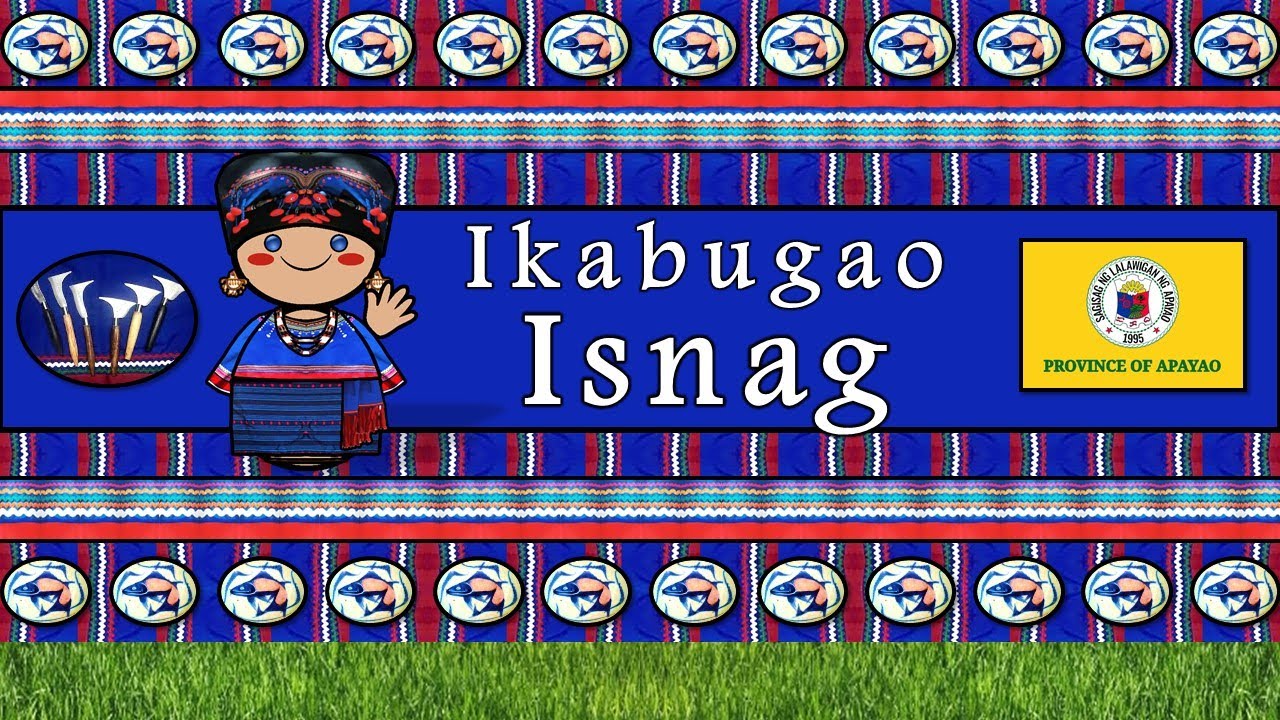
The Isnag are an indigenous ethnolinguistic group primarily located in Apayao Province, with notable populations in neighboring regions such as Abra, Ilocos Norte, and Cagayan. Historically regarded as fierce headhunters of the Cordillera, the Isnags were brought under government control only in the early 20th century. They are often referred to as the "River People of the Cordilleras" due to their close connection with rivers, and their province is the only one in the Cordillera region that is fully navigable by boat. This deep relationship with waterways is central to their way of life.
Isnag Culture
Isnag livelihood traditionally revolves around bartering with neighboring groups such as the Ilocanos and Ibanagas. Goods exchanged include pottery, fabrics, and metal supplies for coconuts, cacao, and honey. The Isnag word for barter, mangibanag, reflects their interaction with the Ibanag people. Their culture is marked by distinctive tools, such as the aliwa (a male weapon/tool) and the iku (a female tool), which symbolize their craftsmanship. Isnag attire is notable for its blue fabric, inggun, with social status determined by the color of one’s clothing, particularly the badiyu (upper garment), with red being reserved for warriors or elders.
This video is created for educational, language awareness, and language preservation purposes. It aims to provide valuable insights and knowledge to viewers, enhancing their understanding and appreciation of different languages and their unique characteristics. By raising awareness about linguistic diversity, the video seeks to foster a greater respect and recognition for various languages, particularly those that are endangered or underrepresented. Additionally, it contributes to the preservation of languages by documenting and sharing linguistic knowledge, thus ensuring that these languages and their cultural heritage are not lost to future generations.
Please feel free to subscribe to see more of this.
I hope you have a great day! Stay happy!
Please support me on Patreon!
https://www.patreon.com/user?u=16809442.
Please support me on Ko-fi
https://ko-fi.com/otipeps0124
Follow me on Instagram. See you there! ✨✨✨
@ itsmeandy24
https://www.instagram.com/itsmeandy24...
If you are interested to see your native language/dialect featured here.
Submit your recordings to [email protected].
Looking forward to hearing from you!
Повторяем попытку...
Доступные форматы для скачивания:
Скачать видео
-
Информация по загрузке: