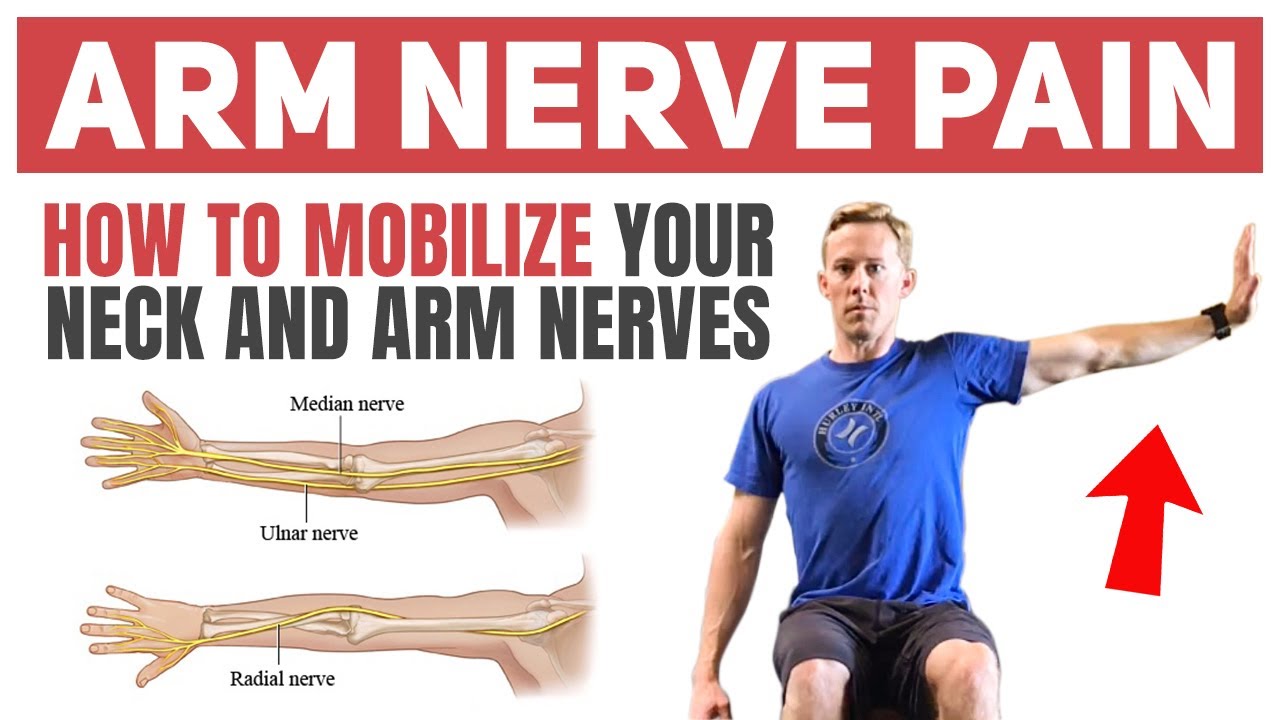
Conquer Frozen Shoulder Pain Today! CLICK SUBSCRIBE! 👍THANK YOU!
Автор: JD TUBE
Загружено: 2025-07-27
Просмотров: 42
Описание:
@jdtube1000 CLICK SUBSCRIBE & SHARE!👍LIKE! THANK YOU!
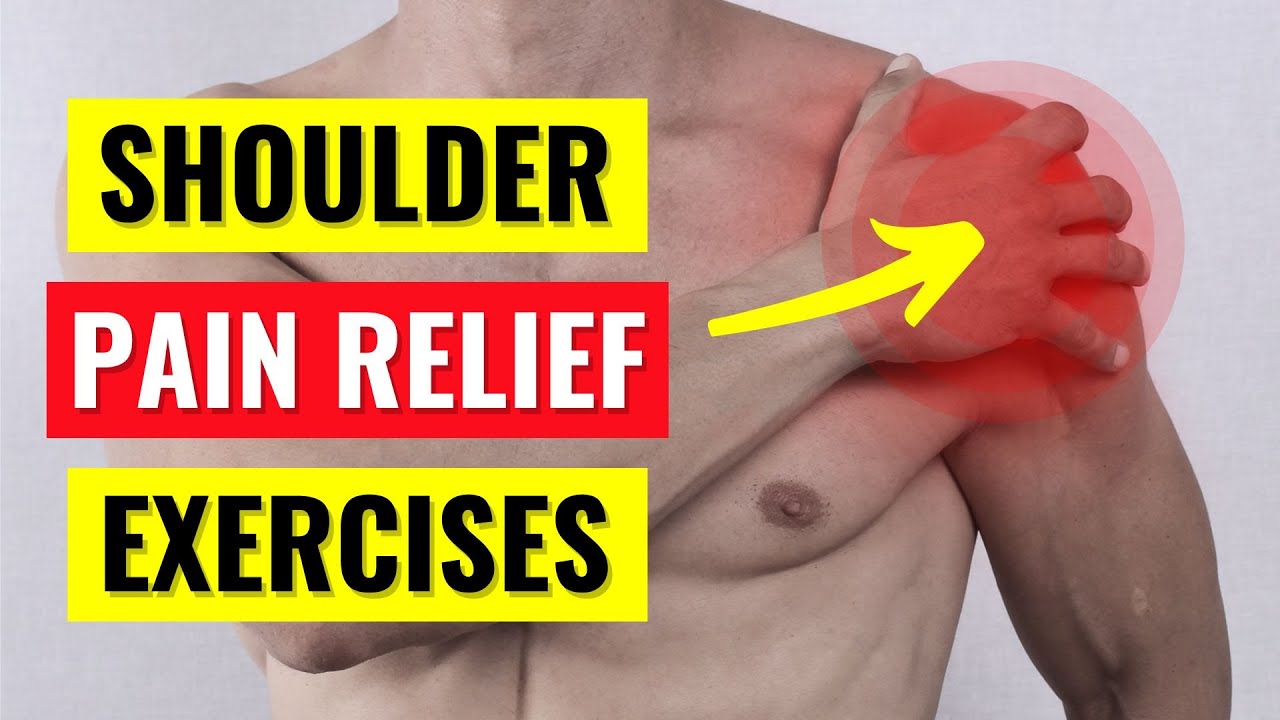
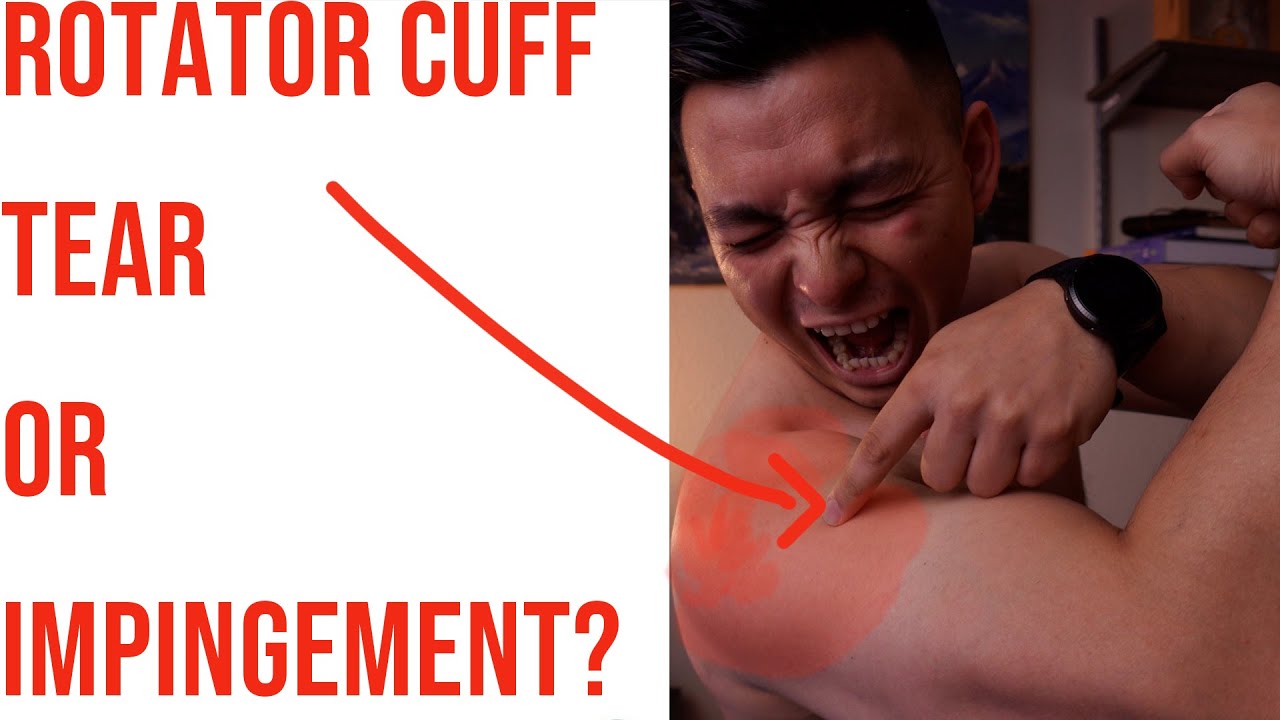
To address frozen shoulder, arm pain, and muscle pain, a comprehensive approach is necessary. Frozen shoulder, also known as adhesive capsulitis, is characterized by stiffness and pain in the shoulder joint, which can significantly limit mobility. Here’s a detailed overview of the condition and its treatment options.
Understanding Frozen Shoulder
Frozen shoulder typically develops in three stages:
Freezing Stage**: This initial stage lasts from 2 to 9 months, where any movement of the shoulder causes pain, and the ability to move the shoulder becomes increasingly limited.
Frozen Stage**: Lasting from 4 to 12 months, pain may lessen, but stiffness persists, making movement difficult.
Thawing Stage**: This final stage can last from 5 to 24 months, during which the shoulder's ability to move gradually improves.
Symptoms
Common symptoms of frozen shoulder include:
Severe shoulder pain, especially at night.
Limited range of motion in the shoulder.
Difficulty performing daily activities, such as reaching overhead or behind the back.
Treatment Options
1. Medications
Anti-inflammatory Drugs**: Over-the-counter medications like ibuprofen (Advil, Motrin) or naproxen (Aleve) can help reduce pain and inflammation.
Corticosteroid Injections**: These may be administered directly into the shoulder joint to alleviate pain and improve mobility.
2. Physical Therapy
Physical therapy is crucial for recovery. A therapist can guide you through:
Range-of-Motion Exercises**: These exercises aim to restore movement in the shoulder. For example, pendulum stretches and towel stretches can be beneficial.
Strengthening Exercises**: Once some mobility is regained, strengthening exercises can help support the shoulder joint.
3. Home Remedies
Ice Therapy**: Applying an ice pack to the shoulder for 10 to 15 minutes several times a day can help reduce pain and swelling.
Heat Therapy**: Using a warm compress or taking a warm shower before exercises can help loosen the shoulder joint.
4. Surgical Options
If conservative treatments fail, surgical interventions may be considered:
Shoulder Manipulation**: This procedure involves moving the shoulder joint under anesthesia to loosen the tightened tissue.
Arthroscopic Surgery**: In severe cases, surgery may be necessary to remove scar tissue from inside the shoulder joint.
Lifestyle Modifications
In addition to medical treatments, consider the following lifestyle changes:
Avoid Overhead Activities**: Activities that require reaching overhead can exacerbate pain and stiffness.
Regular Exercise**: Engage in low-impact exercises to maintain overall fitness without straining the shoulder.
Ergonomic Adjustments**: Ensure that your workspace is set up to minimize strain on your shoulder.
Conclusion
Recovery from frozen shoulder can take time, often ranging from several months to a few years. A combination of medication, physical therapy, and lifestyle adjustments can significantly improve symptoms and restore function. If symptoms persist or worsen, consulting a healthcare professional for further evaluation and treatment is essential.
Повторяем попытку...

Доступные форматы для скачивания:
Скачать видео
-
Информация по загрузке: