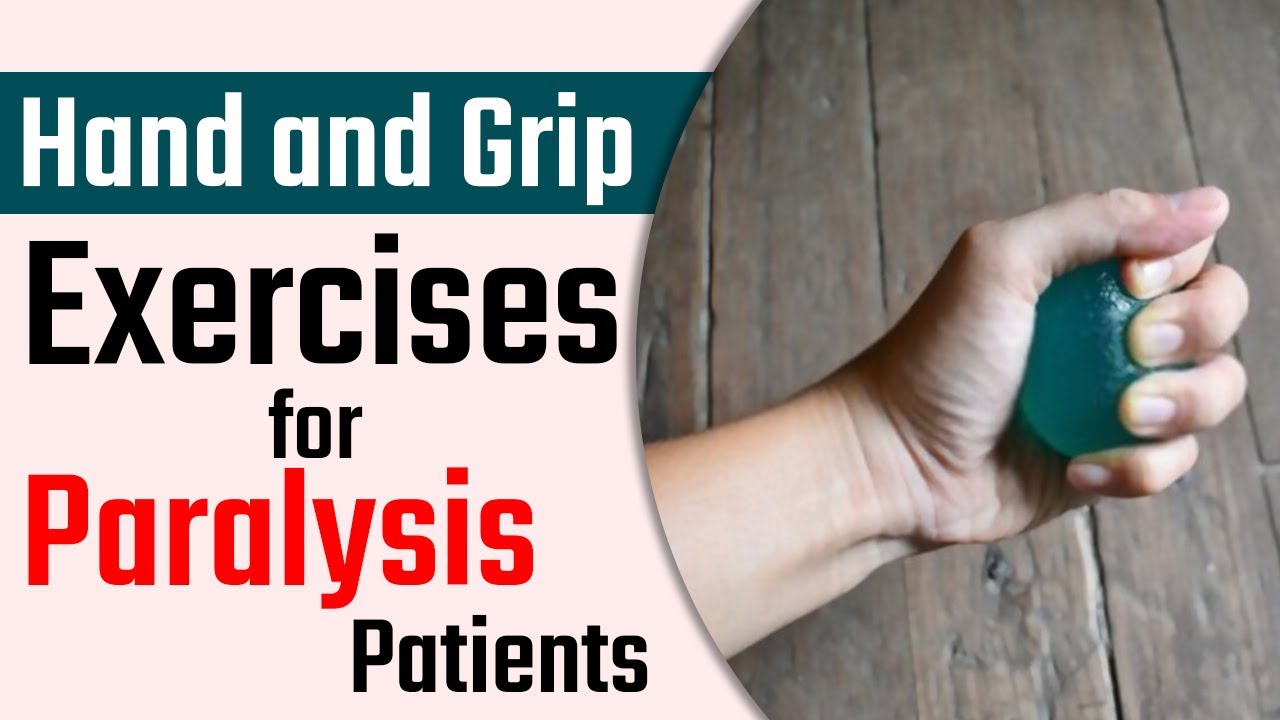
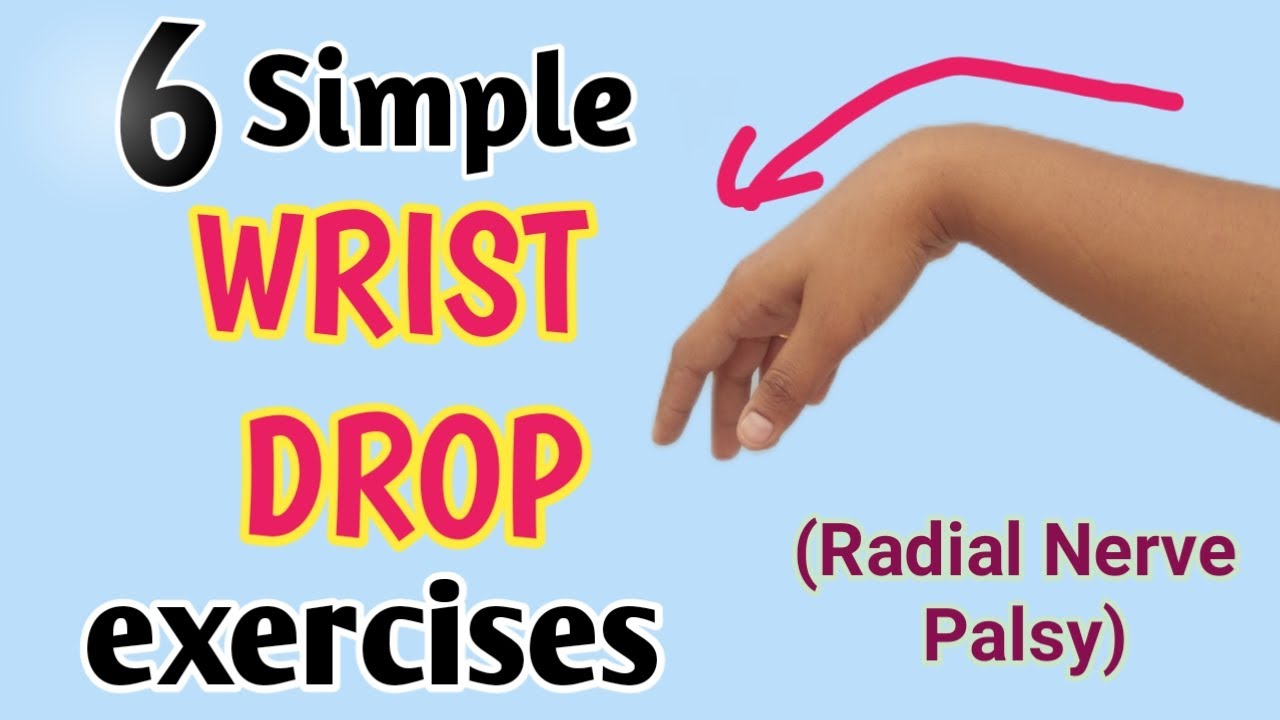
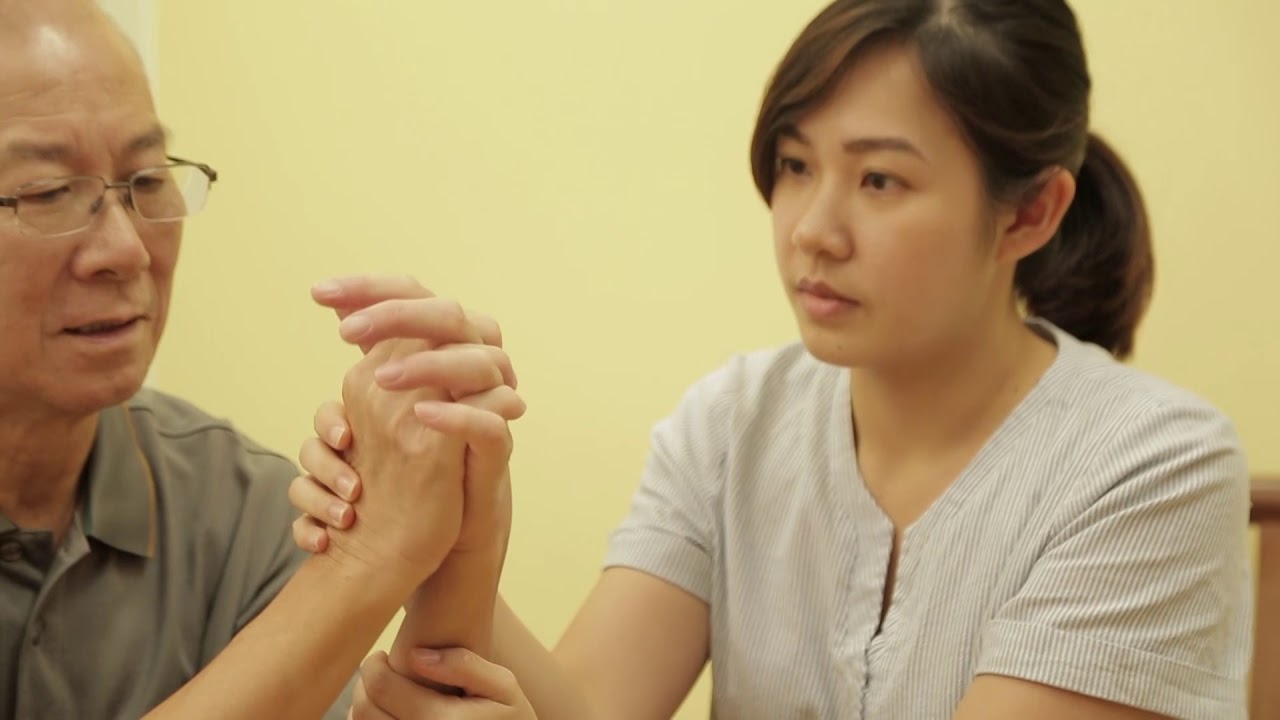
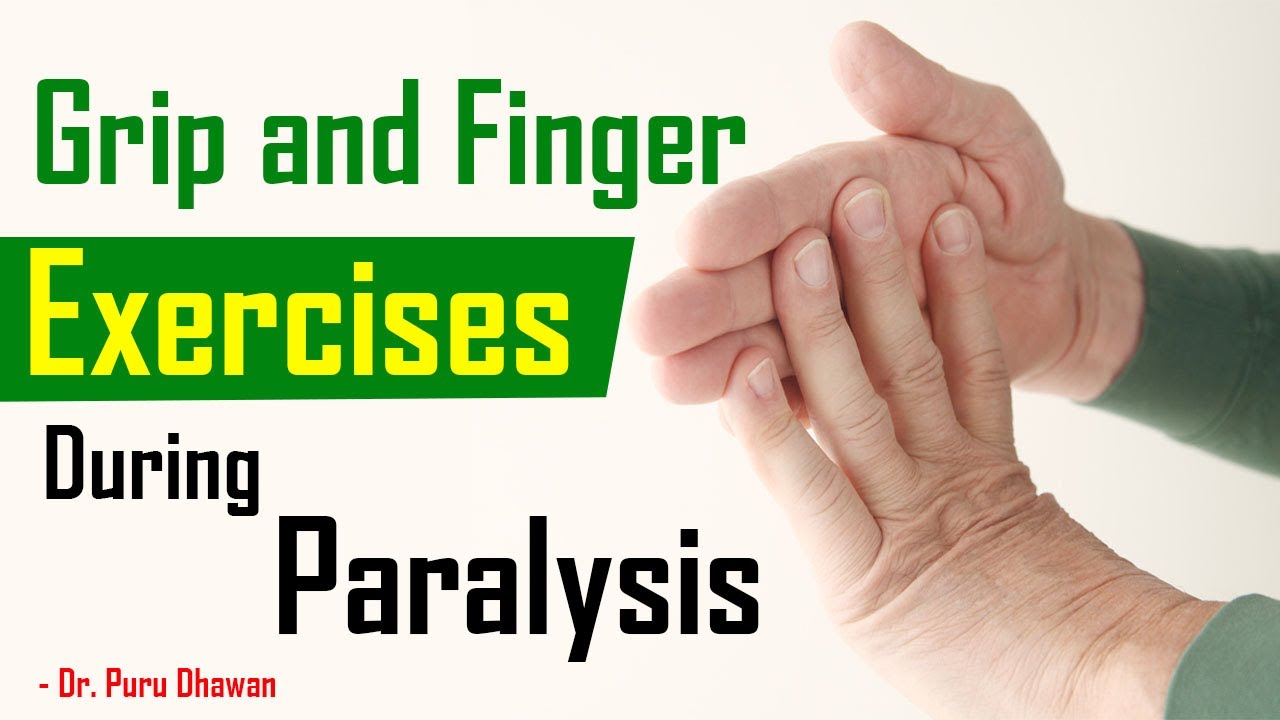
Grip and Finger Exercises During Paralysis
Автор: SRIAAS Paralysis Treatment
Загружено: 2021-09-20
Просмотров: 27218
Описание:
Grip and Finger Exercises During Paralysis
In this video, Dr. Puru Dhawan uses a rubber band to assist paralysis patients in exercising.
𝗦𝗥𝗜𝗔𝗔𝗦:
𝗔𝗱𝗱𝗿𝗲𝘀𝘀: B-92, Sushant Lok Phase 1, Gurgaon, Haryana, Near Huda City Metro Station
𝗖𝗼𝗻𝘁𝗮𝗰𝘁 𝗱𝗲𝘁𝗮𝗶𝗹𝘀: 𝟳𝟴𝟲𝟯𝟴𝟬𝟬𝟰𝟬𝟬
𝗙𝗼𝗿 𝗔𝗽𝗽𝗼𝗶𝗻𝘁𝗺𝗲𝗻𝘁 𝗰𝗮𝗹𝗹 +𝟵𝟭-𝟳𝟴𝟲𝟯𝟴𝟬𝟬𝟰𝟬𝟬(𝟭𝟭𝗔𝗠 𝘁𝗼 𝟲 𝗣𝗠)
𝗪𝗵𝗮𝘁𝘀𝗮𝗽𝗽 𝗡𝘂𝗺𝗯𝗲𝗿 𝟳𝟴𝟲𝟯𝟴𝟬𝟬𝟰𝟬𝟬
The coordination of small muscles in movements—usually requiring the synchronization of hands and fingers—with the eyes is known as fine motor ability. Humans have complex levels of manual dexterity, which can be attributed to and proven in nervous system-controlled tasks. Fine motor skills contribute to the development of intellect and continue to develop throughout life, including during paralysis. When a brain section is destroyed following a stroke, transmission between the brain and the muscle may not work correctly, resulting in paralysis, one of the most prevalent illnesses; when a patient begins SRIAAS treatment, the treatment aids in forming a bond between signals and the brain and muscles, which aids in body movement. Patients are recommended to perform the exercises in conjunction with our medications, as repetition is the only way to recover muscle movement.
1. Try to open your fingers by putting your fingers in the rubber band.
2. Take a rubber band from another hand and insert a finger into it, pulling it upward. Patients are also encouraged to apply Neuro M oil, which has been recommended by our experts, and massage the affected area with it to reduce pain and spasticity.
3. Now do the same thing, but this time pull the finger down.
4. Now, with your thumb, try to touch the finger boxes.
After paralysis, the patient recovers quickly in the first few months, but after that, neuroplasticity slows down. Muscle movement is halted during paralysis because injury to brain parts, such as a lack of blood supply after a stroke, might prevent you from moving your muscles. Our medicines target the cause of paralysis and work directly on neural tissue to stimulate it and create other pathways for electrical signal transmission. In addition, we recommend that the patient receive CIMT, which is constraint-induced movement therapy, which aids the paralyzed patient in muscular activity for a faster recovery. Patients are encouraged to bind their unaffected hand with cloth or tape and use the affected hand to do the exercises in this therapy.
#paralysis_exercise
Повторяем попытку...
Доступные форматы для скачивания:
Скачать видео
-
Информация по загрузке: