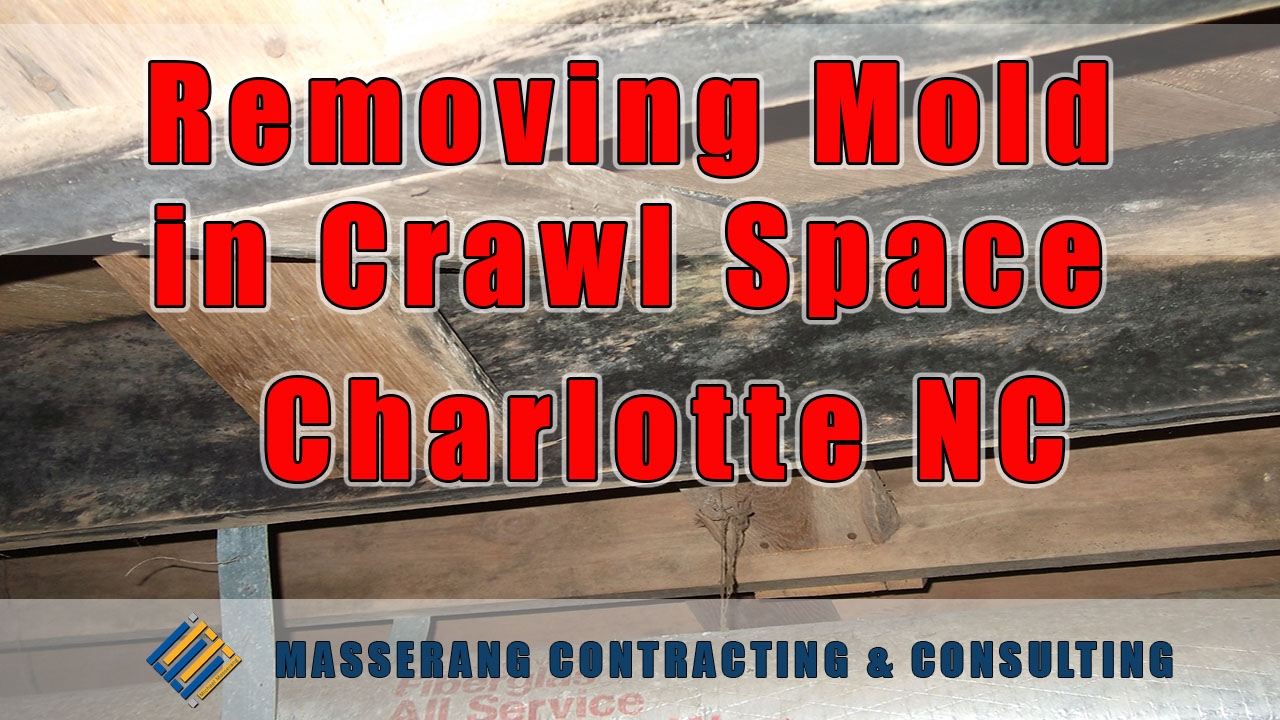
Removing Mold in Crawl Spaces in 2025 - Charlotte NC - What Products are Effective and Who To Trust?
Автор: Specialty Foundation Repair
Загружено: 2017-06-02
Просмотров: 7968
Описание:
Removing Mold in Crawl Spaces in 2025 - Charlotte NC - What Products are Effective and Who To Trust?
https://specialtyfoundationrepair.com
704-787-6972
Most people only clean with disinfectants. Addressing only surface soil load oxy power cleans beyond the soil load and accomplishes Total Source removal leaving behind a contaminant free surface.
More videos:
/ specialtyfoundationrepair
/ @specialtyfoundationrepair
• Removing Mold in Crawl Spaces in 2025 - Ch...
• The 5-Minute Mold Remediation with OxyPrep...
Molds and bacteria can carry allergens and toxins, inflammagens and other components in any form or state they are in (dead or alive, whole or pieces) so even fragments and pieces broken off from growth areas in addition to spores can trigger symptoms and sometimes lead to infections. For every mold spore there are about 500 fragments of that mold present within the air or deposited throughout the environment. They are often so tiny they fall into the sub-micron size that can remain in the air for long periods of time and, once settled, can easily become airborne with the introduction of air circulation or disturbance of items or surfaces they are resting upon. They are also in the category of “‘respirable” size particles easily inhaled deep into the lungs.
Past sources of mold growth can still show a presence of these molds in a dust sample even if the areas they originally grew are no longer there. Remediation performed without containment, old molds from a damp crawlspace, older HVAC sources etc can remain in the indoor environment and become part of the microscopic makeup of the dust. They are also pulled in from wall cavities, crawlspace and other interstitial spaces whenever the building is put under negative pressure. Negative pressure is typically used during some remediation processes. Also, anytime the home has a clothes dryer vent or exhaust fan running the home is temporarily under negative pressure if windows are not open or some other ventilation is provided.
Various molds grow under conditions that can favor one mold over another which can help indicate where or under what conditions a particular mold group or species may have found a growth point within the home, surrounding the home in cavities or crawlspaces and within the HVAC system.
The Aspergillus/Penicillium and Wallemia as well as Eurotium all favor the lower moisture so they tend to be present in elevated indoor humidity, grow easily on household surfaces and furnishings/ clothing/shoes when AC system fails or is turned off in summer, when moisture vapor gets trapped in wall cavities, around vent fan outlets etc. Aspergillus versicolor is a common mold found in man-made building materials and more prevalent indoors than outdoors. Molds of Aspergillus/Penicillium and Cladosporium types are also very common inside ducts and on fiberglass lined HVAC interiors. These molds are also quite common as secondary growth in water damaged areas and can hide in cavities above the actual water line or directly wet areas.
The Cladosporium and Acremonium molds favor a little higher moisture and are often found where condensation accumulates inside HVAC systems, around floor or ceiling supply vents that aren’t sealed and insulated well, sweating windows, bathroom surfaces, and sometimes inside washing machines, dishwashers and ice-makers.
The Stachybotrys, Chaetomium, Trichoderma molds all require more water to grow so they are found in areas that have become saturated from leaks or floods. Commonly this is on drywall, behind base boards, on insulation, paper and cardboard and other cellulose materials.
Mycotoxins are produced by molds and bacteria when they are actively growing. Some molds create them in defense of their territory from other molds, bacteria or competing organisms. The use of anti- microbial is also suspected of triggering a mycotoxin response when molds are active. Anti-fungal overuse in building materials and household paints and products can also create a resistance in molds and is theorized to cause molds to become more potent in their “survival of the fittest” response.
Bacteria are often co-existent with mold since they favor the same growth conditions. At times it can be important to identify bacteria that could be infectious if occupants are at-risk.
Mold Conditions 1, 2, 3 as defined by IICRCs520.
Condition 1 is normal fungal ecology (no indoor environment is “mold-free” unless by design such as a clean room. Expected normal ranges are going to reflect typical molds found both indoors and outdoors with reasonable allowances for spores to be present carried indoors by occupants, pets or through air infiltration. Water damage indicator molds are not part of normal fungal ecology and are considered zero tolerance indoors.
Повторяем попытку...
Доступные форматы для скачивания:
Скачать видео
-
Информация по загрузке: