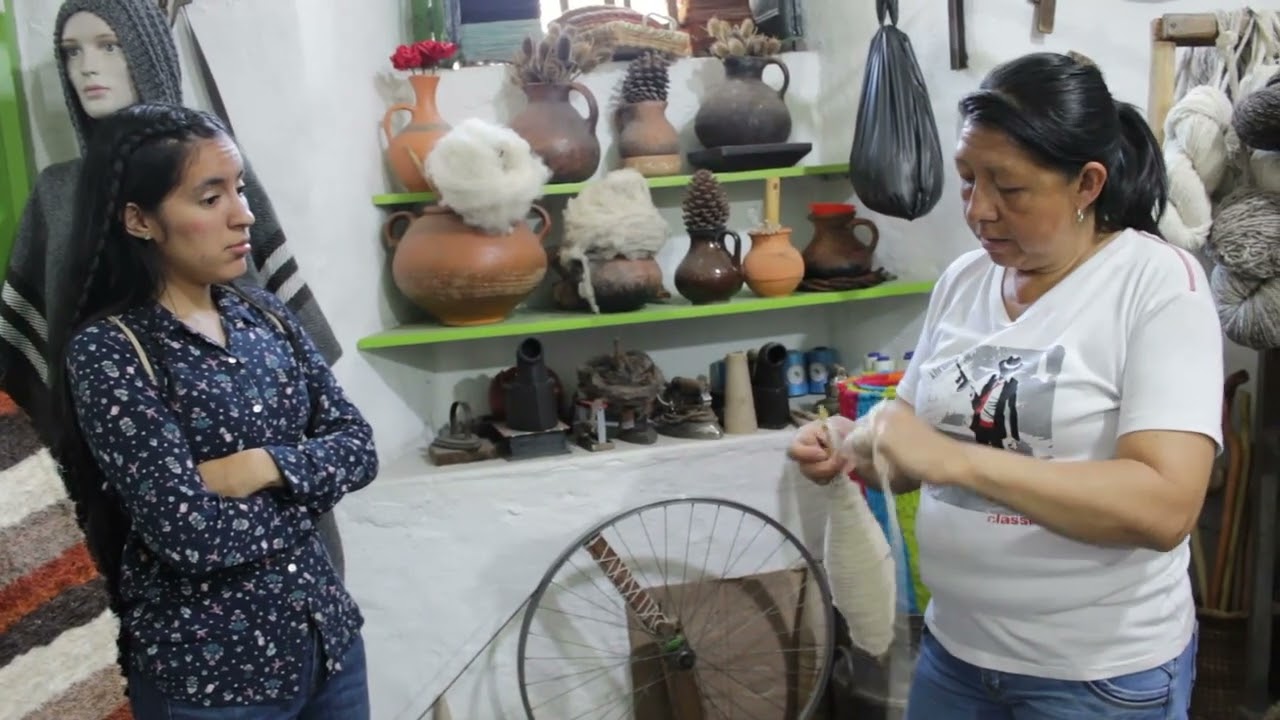
Xaltepec beltweaver embroiderer 1993
Автор: Mexican Textiles
Загружено: 2024-03-11
Просмотров: 117
Описание:
The textiles purchased during this visit are now in the Middle American Research Institute of Tulane Univerity, donated in 2015.
Xaltepec, Huauchinango, Puebla: A Community Rooted in Nahuatl Language and Tradition
Nestled within the mountainous Huauchinango region of Puebla, Mexico, lies Xaltepec, a community steeped in history and vibrant indigenous customs. This essay explores Xaltepec's development, demographics, and the significance of traditional attire within the context of cultural preservation.
Pre-Hispanic Origins and Colonial Transformation:
Archaeological evidence suggests Xaltepec's roots extend back to the pre-Hispanic era, potentially inhabited by the Olmec or Nahua peoples. The presence of the Nahuatl language as a dominant form of communication signifies a strong connection to the vast Mesoamerican cultural sphere. Following the Spanish conquest, Xaltepec likely became an "encomienda," a system subjecting indigenous communities to tribute demands from Spanish colonists. This colonial period undoubtedly introduced Catholicism and reshaped social structures, with the possibility of some elements blending with existing Nahuatl traditions.
Post-Independence and the Persistence of Culture:
Mexico's independence in 1821 marked a shift for Xaltepec, transitioning it into a rural community focused on agriculture and forestry. While modern conveniences have found their way into the town, Xaltepec retains a remarkable commitment to its cultural heritage. This is particularly evident in the continued use of the Nahuatl language and the significance placed on traditional garments.
Demographics and the Nahuatl Legacy:
Xaltepec's population is predominantly indigenous, with the Nahua people forming a clear majority. The enduring presence of the Nahuatl language spoken alongside Spanish by many residents ensures the continuation of their rich linguistic heritage. While obtaining precise population figures can be challenging, estimates suggest Xaltepec's inhabitants number in the low thousands.
Traditional Costumes: A Symbol of Identity
Costumes in Xaltepec play a crucial role in cultural celebrations and daily life, particularly for women. The traditional women's dress, known as a huipil, is a beautiful and colorful garment typically crafted from white cotton and adorned with intricate embroidery in various colors and patterns. These designs often hold symbolic meaning, potentially reflecting the wearer's marital status or village of origin, similar to practices observed in other Otomi communities across Mexico. Headscarves, referred to as rebozos, are another prevalent element, typically made of wool or cotton and serving purposes of both warmth and utility. Men's attire generally leans towards simplicity, consisting of long pants, shirts, and straw hats. However, during festivals, men might don white cotton pants and shirts featuring some embroidery.
Beyond practicality, traditional costumes and the Nahuatl language function as powerful symbols of cultural identity. The vibrant colors and intricate designs of the clothing represent the Nahua people's creativity and heritage. Wearing these garments fosters a sense of community pride and belonging, while also serving as a visual distinction from other indigenous communities in the region.
Cultural Preservation: A Commitment to the Future
The continued use of the Nahuatl language and traditional costumes in Xaltepec signifies the enduring strength of the Nahua culture. It stands as a testament to their resilience in the face of historical changes and their unwavering commitment to preserving this heritage for future generations.
Conclusion
Xaltepec offers a compelling case study of a community actively safeguarding its cultural identity. Through the continued use of the Nahuatl language and the significance placed on traditional attire, Xaltepec ensures the transmission of its rich heritage to future generations.
Повторяем попытку...

Доступные форматы для скачивания:
Скачать видео
-
Информация по загрузке:











![Arabian Music [4K] - Meditation in Desert (Part 3), Arabian Flute & Arabian Nights](https://imager.clipsaver.ru/uxf1FUU8mk0/max.jpg)