Jinwook Jung - Reverse II : Allemande (2024)
Автор: Komposition HfMT Köln
Загружено: 2025-12-02
Просмотров: 65
Описание:
Reverse II : Allemande (2024)
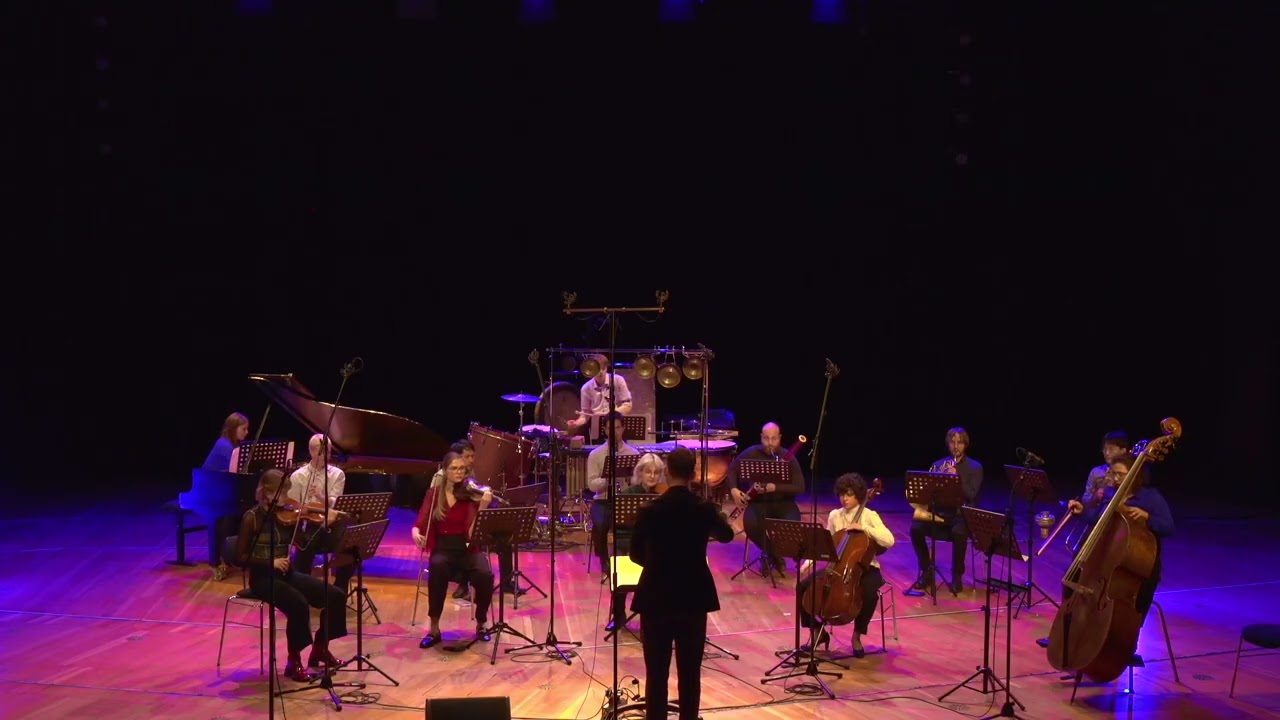
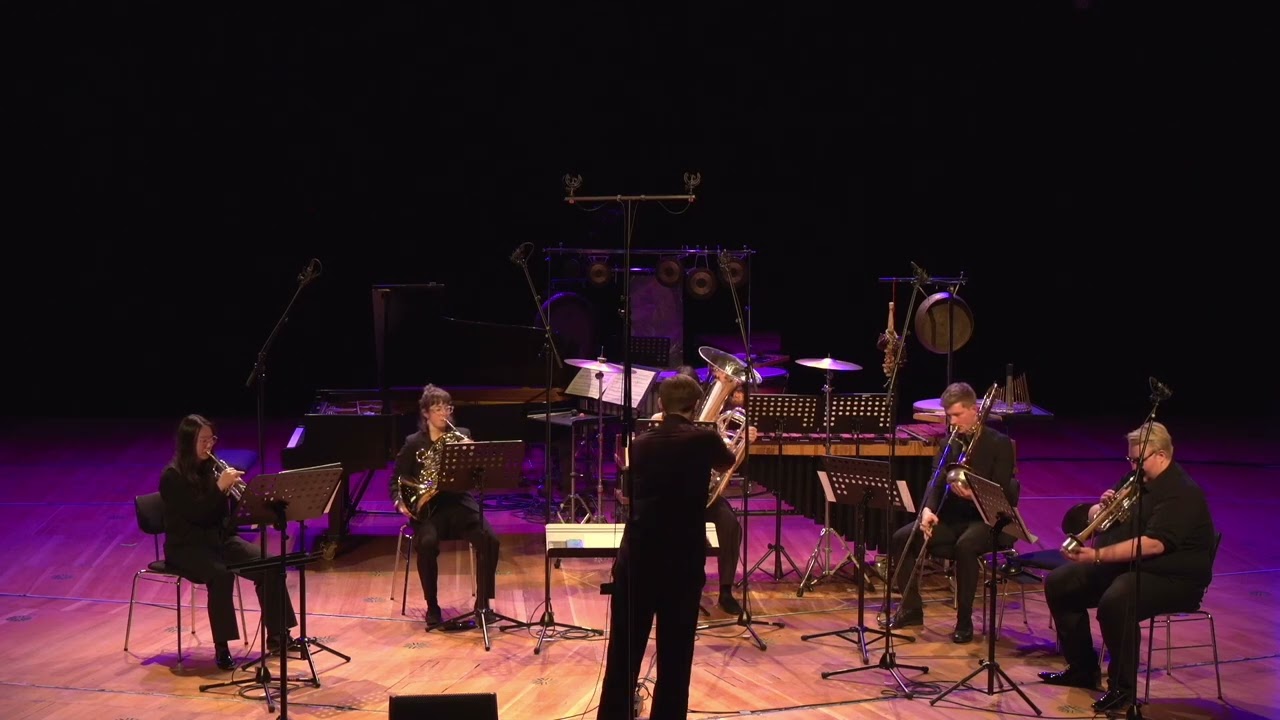
for 14 musicians
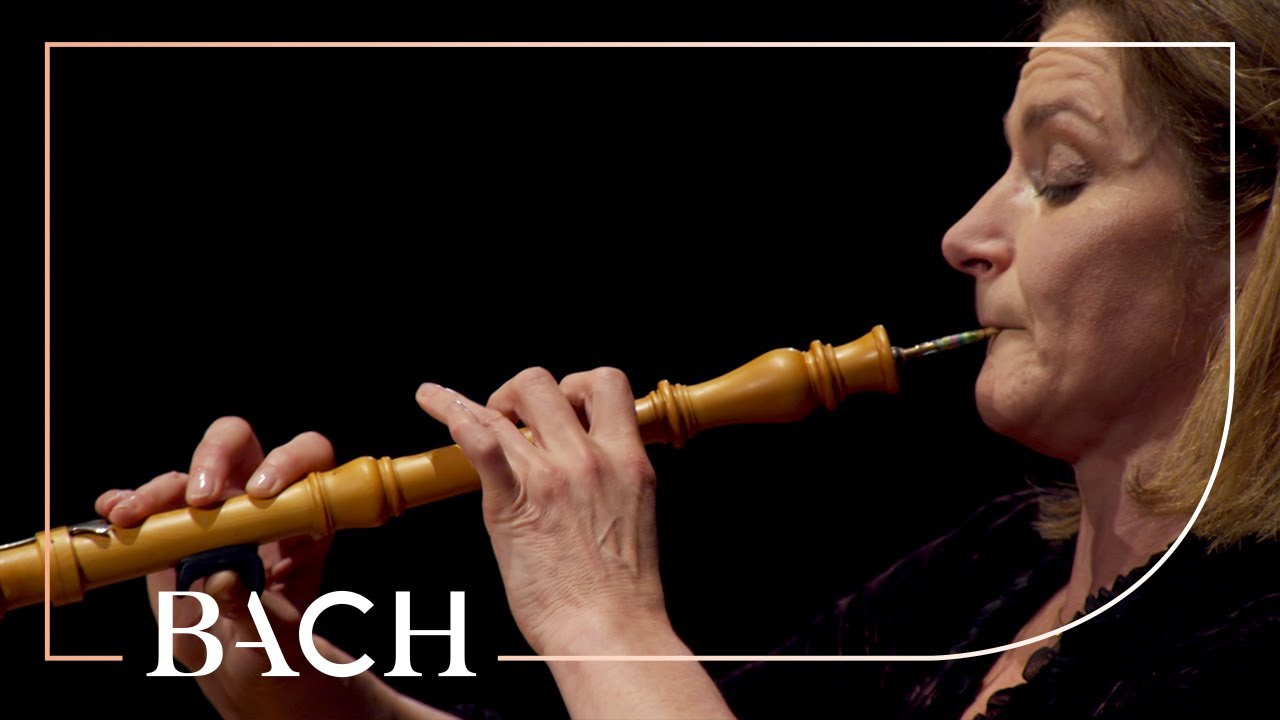
Oboe solo, Flute, Clarinet, Horn, Trumpet, Trombone, Tuba, Percussion, Piano, Violin I, Violin II, Viola, Cello, Double Bass
Abschlusskonzert Konzertexamen on the 5th of February 2025, performed by Tamon Yashima (solo ob.), Maria Zwerschke (fl.), Nikola Janjic (cl.), Vsevolod Militello (hrn.), Pauline Serafini (tpt.), Yoshiki Matsuura (tbn.), Fuchsia Reinartz (tba),
Jonas Evenstad (perc.), Petek Atalay (pn.), Aline Sarah Müller (vn.1), Hanna-Maria Tikka (vn.2), Theresa Hessberg (va.), Adya Khanna Fontela (vc.), Carlota Ramos (cb.), Carlos Lopes (cond.)
If Reverse I presented the grotesque “Westernization” of a Korean melody — Arirang — then Reverse II : Allemande Inverts that gesture. Here, a 16th-century European dance, the Allemande, is “Arirang-ised.” The colonial gaze is turned back upon itself.
Rather than simply reworking the structure of the first piece, this project dissects the Allemande into fragments — its rhythmic cells, cadential gestures, and contrapuntal phrases — and merges them with traces of Korean traditional musical practice: the vibrato of nonghyun, the microtonal inflections, the ornamental curvature of melody, and the unstable pitch centers that resist equal temperament. Through this hybridisation, Reverse II constructs a more mysterious, indirect, and fluid sonic space — one where the boundaries between “Europe” and “Korea” are suspended.
In Reverse I, the process of Western reinterpretation reached a grotesque level of exaggeration, exposing the mechanisms of cultural misrepresentation. Reverse II, by contrast, seeks an opposite yet equally critical perspective: it questions what happens when the musical language of the coloniser is absorbed, transformed, and reimagined from the margins. The act of “Arirang-ising” the Allemande becomes both a gesture of resistance and of reconciliation — a subtle rewriting of musical history from the periphery.
Ultimately, this work does not aim to recreate a past or to parody a style, but to open an acoustic in-between — a zone where sound itself begins to unlearn its inherited hierarchies.
Повторяем попытку...

Доступные форматы для скачивания:
Скачать видео
-
Информация по загрузке: