What is Business Continuity Planning?
Автор: Mossé Cyber Security Institute
Загружено: 2023-05-25
Просмотров: 2060
Описание:
🎓 MCSI Certified GRC Expert 🎓
🏫 👉 https://www.mosse-institute.com/certi...
📖 ✔️ MCSI Governance, Risk and Compliance Library ✔️📖
📙📚 👉 https://library.mosse-institute.com/c...
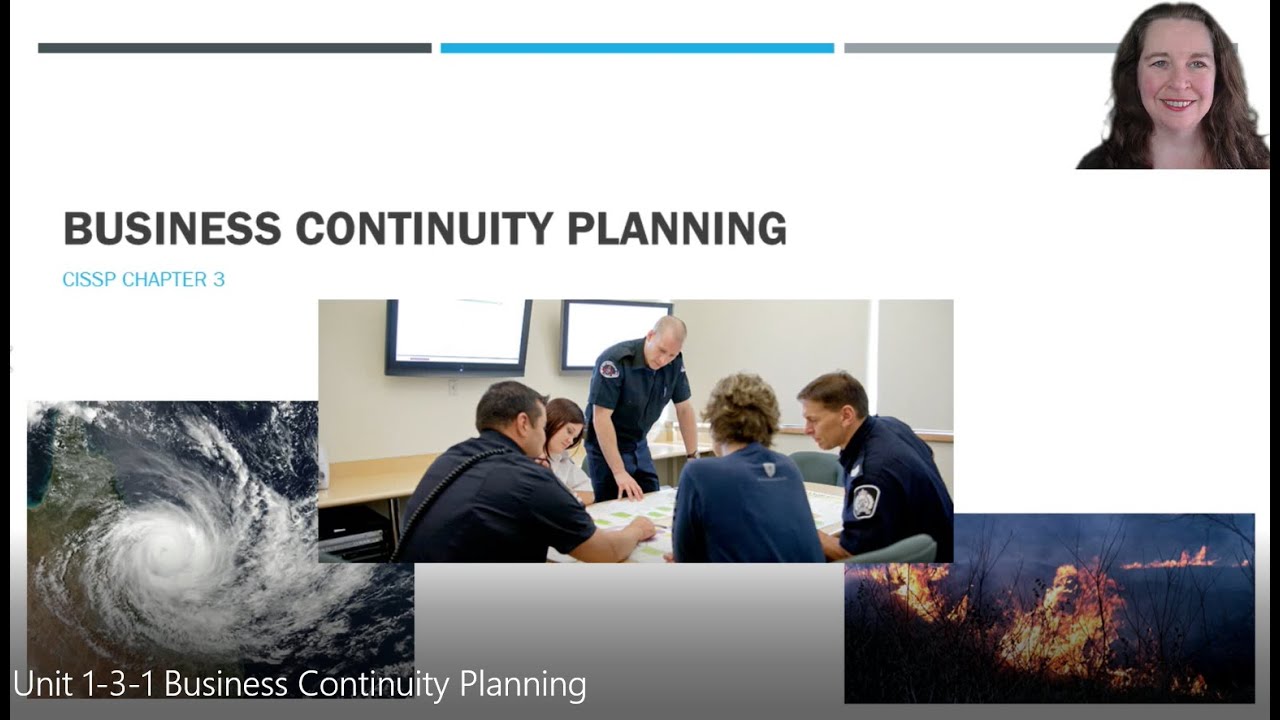
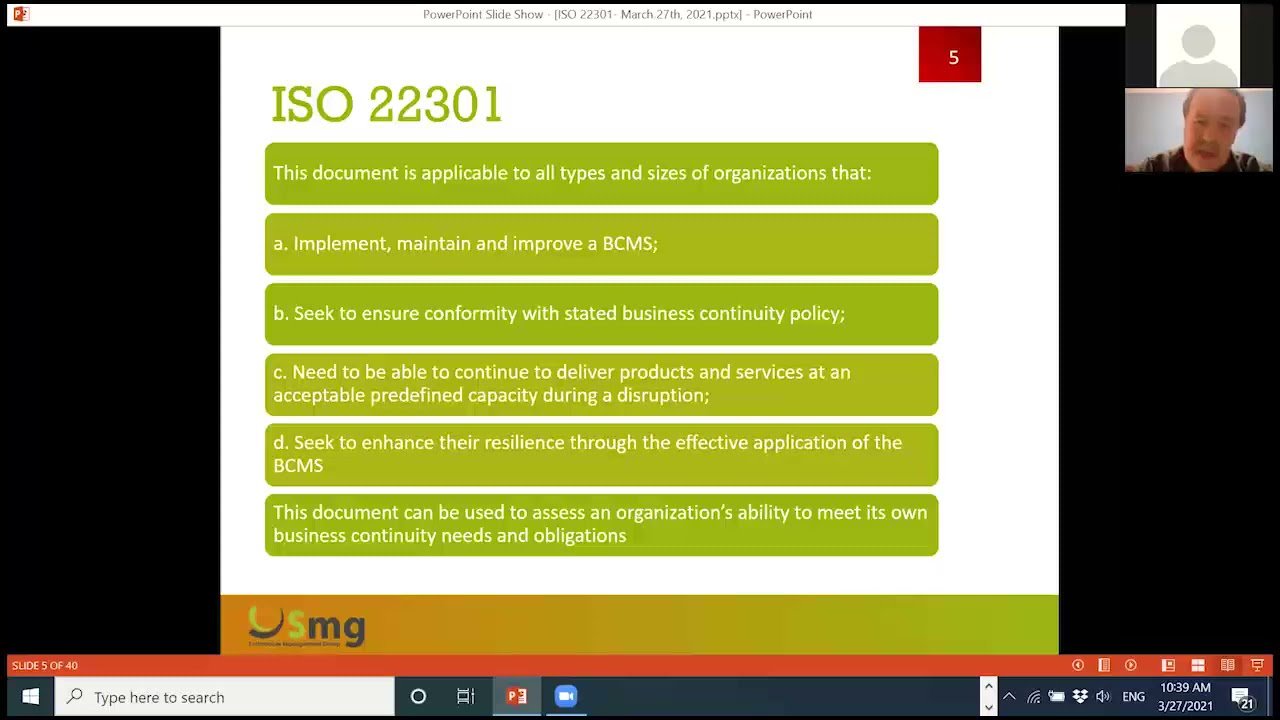
Business Continuity Planning (BCP) is a proactive approach that organizations undertake to ensure their critical business functions can continue operating during and after disruptive events such as natural disasters, technological failures, or any other unforeseen incidents. BCP involves the development of strategies, processes, and procedures to minimize the impact of disruptions and maintain essential operations to meet the organization's objectives and obligations.
Key Considerations for BCP:
Risk Assessment: Conduct a comprehensive risk assessment to identify potential threats and vulnerabilities that could disrupt business operations. This assessment helps in prioritizing critical functions and understanding the potential impacts of different scenarios.
Business Impact Analysis (BIA): Perform a BIA to assess the financial, operational, and reputational consequences of disruptions to critical business functions. This analysis helps determine recovery priorities and set recovery time objectives (RTO) and recovery point objectives (RPO) for each function.
Business Continuity Strategy: Develop a clear strategy that outlines how critical functions will be maintained or restored during a disruption. This strategy may include options such as redundancy, alternate facilities, outsourcing, or remote work arrangements. The strategy should align with the organization's objectives, budget, and risk tolerance.
Emergency Response Plan: Establish an emergency response plan that outlines the immediate actions to be taken when a disruption occurs. This plan should address personnel safety, communication protocols, evacuation procedures, and coordination with external emergency services.
Business Continuity Plan (BCP): Create a comprehensive BCP document that outlines the specific steps, processes, and resources required to ensure the continuity of critical business functions. The BCP should include clear roles and responsibilities, communication protocols, backup and recovery procedures, and alternate facilities or equipment arrangements.
Training and Awareness: Provide training to employees on their roles and responsibilities during a disruption. Regular awareness programs should be conducted to ensure that employees understand the BCP, know how to respond during an incident, and are familiar with the emergency response and recovery procedures.
Communication and Stakeholder Management: Establish effective communication channels and protocols to ensure timely and accurate communication with employees, customers, suppliers, and other key stakeholders during a disruption. This includes both internal and external communication strategies to manage expectations and provide updates on the status of operations.
Testing and Exercising: Regularly test and exercise the BCP to validate its effectiveness and identify areas for improvement. This can involve tabletop exercises, simulations, or full-scale drills to evaluate the organization's response and recovery capabilities. Lessons learned from these exercises should be incorporated into the BCP to enhance its resilience.
Maintenance and Review: BCP is not a one-time exercise but requires ongoing maintenance and review. The plan should be periodically updated to reflect changes in the organization's operations, technology, or external environment. Regular reviews and audits help ensure that the BCP remains relevant, up-to-date, and aligned with evolving business needs and risks.
By considering these key aspects, organizations can develop robust BCPs that enhance their resilience, minimize disruptions, and enable them to recover effectively in the face of unexpected events.
Повторяем попытку...

Доступные форматы для скачивания:
Скачать видео
-
Информация по загрузке: