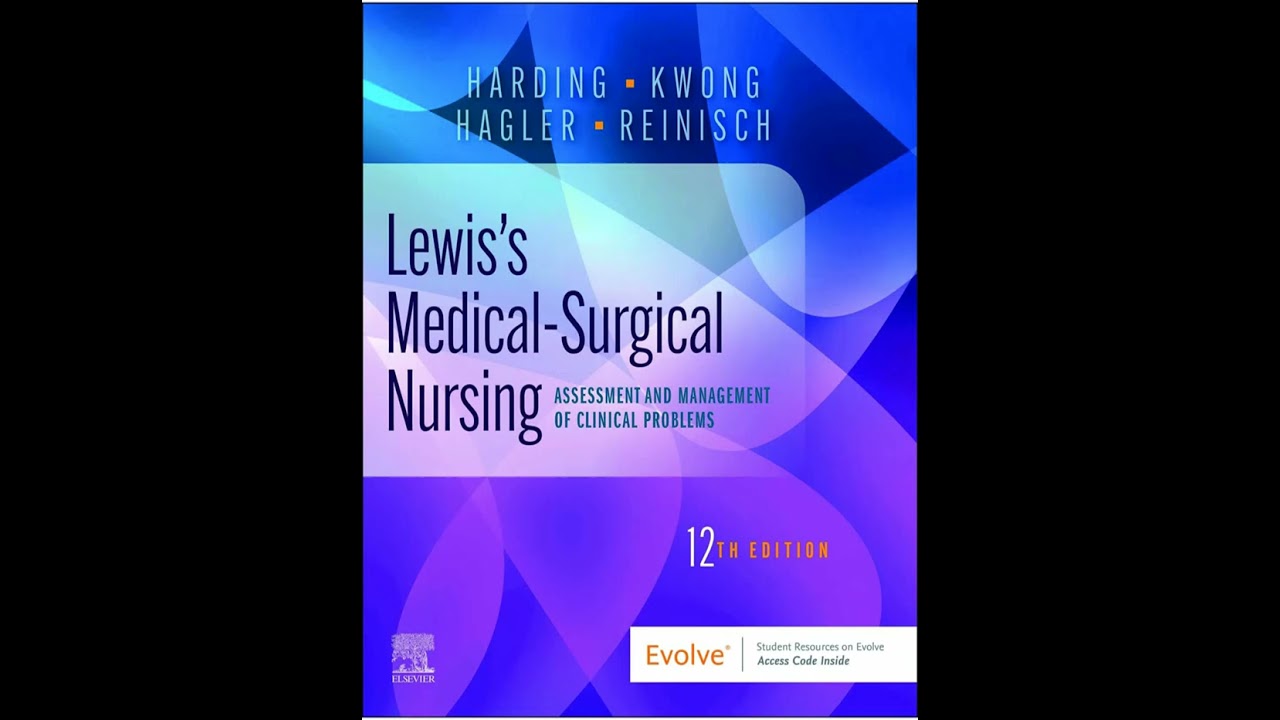
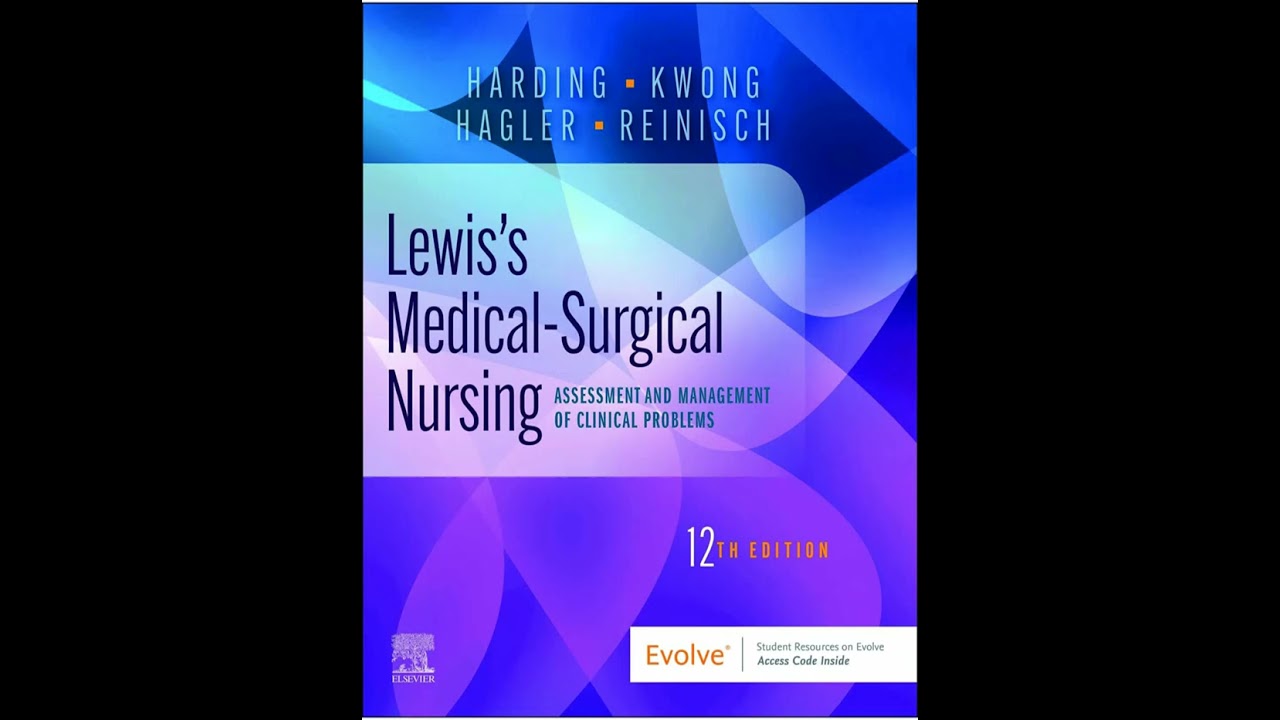
Lower Gastrointestinal Problems | Chapter 47 – Lewis’s Medical-Surgical Nursing (12th)
Автор: Last Minute Lecture
Загружено: 2025-08-27
Просмотров: 739
Описание:
Chapter 47 of Lewis’s Medical-Surgical Nursing (12th Edition) reviews gallbladder and pancreatic disorders, their pathophysiology, clinical manifestations, diagnostics, and nursing management. These conditions often cause severe abdominal pain, digestive dysfunction, and metabolic complications, requiring prompt recognition and multidisciplinary care.
✨ Cholelithiasis & Cholecystitis – Gallstones (cholesterol, bile salts, calcium) form due to bile supersaturation, stasis, and infection. Risk factors include female sex, obesity, pregnancy, sedentary lifestyle, family history, and high-fat diets. Gallstones may be asymptomatic or cause biliary colic, RUQ pain, nausea, vomiting, jaundice, and fever. Cholecystitis (gallbladder inflammation) may be calculous (gallstone-related) or acalculous (critical illness, trauma, TPN). Complications include gangrene, abscess, perforation, peritonitis, choledocholithiasis, and pancreatitis. Diagnosis uses ultrasound, ERCP, labs (bilirubin, ALP, WBC). Management includes pain control, antibiotics, fluids, NG suction, and laparoscopic cholecystectomy (treatment of choice). Post-op care includes pain relief, ambulation, low-fat diet, wound care, and teaching.
✨ Pancreatitis – Inflammation of the pancreas, acute or chronic, most often caused by gallstones, alcohol, trauma, drugs, infection, or tumors.
Acute pancreatitis: Results from autodigestion by pancreatic enzymes. Symptoms include severe LUQ/epigastric pain radiating to the back, nausea, vomiting, fever, tachycardia, hypotension, jaundice, Grey Turner’s spots, and Cullen’s sign. Complications include pseudocysts, abscesses, pulmonary complications, hypocalcemia (tetany), and shock. Labs show elevated serum amylase, lipase, and triglycerides. Management includes NPO status, NG suction, IV fluids, pain relief (opioids), antibiotics (if infected necrosis), and surgery or ERCP if gallstones involved. Nursing care focuses on hemodynamic monitoring, electrolyte balance, nutrition (enteral preferred), and patient teaching (alcohol abstinence, diet modification).
Chronic pancreatitis: Progressive, irreversible inflammation causing fibrosis, calcification, and pancreatic insufficiency. Symptoms include chronic abdominal pain, malabsorption, steatorrhea, diabetes, and weight loss. Diagnostics include ERCP, MRI, CT, and labs. Treatment involves enzyme replacement (pancrelipase), insulin, diet modifications (low-fat, small frequent meals), alcohol cessation, analgesics, and surgery or endoscopic therapy when indicated.
✨ Pancreatic cancer – Highly lethal, often diagnosed late due to nonspecific symptoms (anorexia, nausea, weight loss, jaundice, dull epigastric pain, palpable mass). Risk factors include smoking, chronic pancreatitis, diabetes, obesity, and family history. Diagnosis uses CT, MRI, ERCP, and biopsy. Treatment includes surgery (Whipple procedure for resectable tumors), chemotherapy, radiation, and palliative care. Nurses provide symptom management, nutrition support, psychosocial care, and end-of-life planning.
Nursing management across gallbladder and pancreatic disorders emphasizes pain control, fluid/electrolyte balance, infection prevention, patient/family teaching, lifestyle modification (diet, weight loss, alcohol abstinence), and long-term support for chronic illness or cancer care.
📘 Read full blog summaries for every chapter:
https://lastminutelecture.com
📘 Have a book recommendation? Submit your suggestion here:
https://forms.gle/y7vQQ6WHoNgKeJmh8
Thank you for being a part of our little Last Minute Lecture family!
⚠️ Disclaimer: These summaries are created for educational and entertainment purposes only. They provide transformative commentary and paraphrased overviews to help students understand key ideas from the referenced textbooks. Last Minute Lecture is not affiliated with, sponsored by, or endorsed by any textbook publisher or author. All textbook titles, names, and cover images—when shown—are used under nominative fair use solely for identification of the work being discussed. Some portions of the writing and narration are generated with AI-assisted tools to enhance accessibility and consistency. While every effort has been made to ensure accuracy, these materials are intended to supplement—not replace—official course readings, lectures, or professional study resources. Always refer to the original textbook and instructor guidance for complete and authoritative information.
Повторяем попытку...
Доступные форматы для скачивания:
Скачать видео
-
Информация по загрузке: