Movement III — The March Through Darkness Tchaikovsky Manfred Symphony, Op. 58.
Автор: East Meet West
Загружено: 2026-03-18
Просмотров: 14
Описание:
Movement III is the darkest descent of the entire cycle, the point where the music stops describing the world and begins embodying the weight of guilt itself. The story, orchestration, leitmotif, and dramatic pacing all converge to create a ritual of burden—slow, inevitable, and spiritually exhausting. This movement is not about external judgment (as in Movement II) but about the internal collapse that follows it.
Story and Emotional Landscape
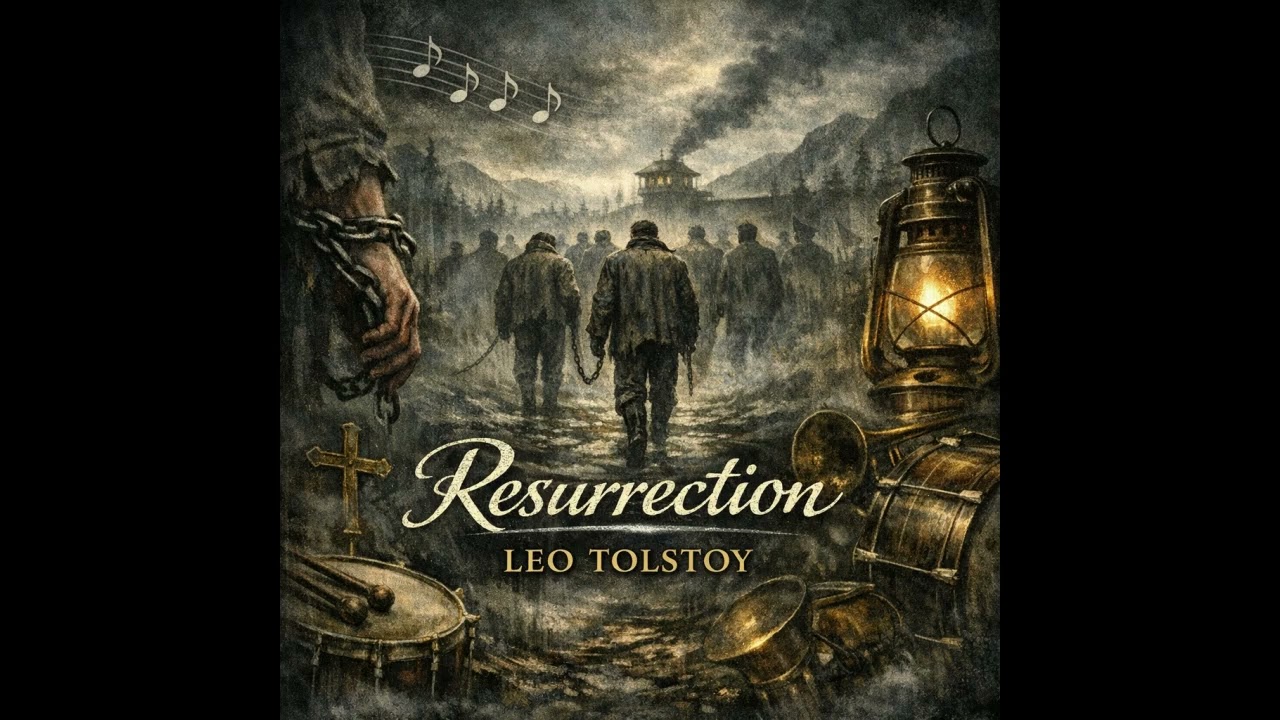
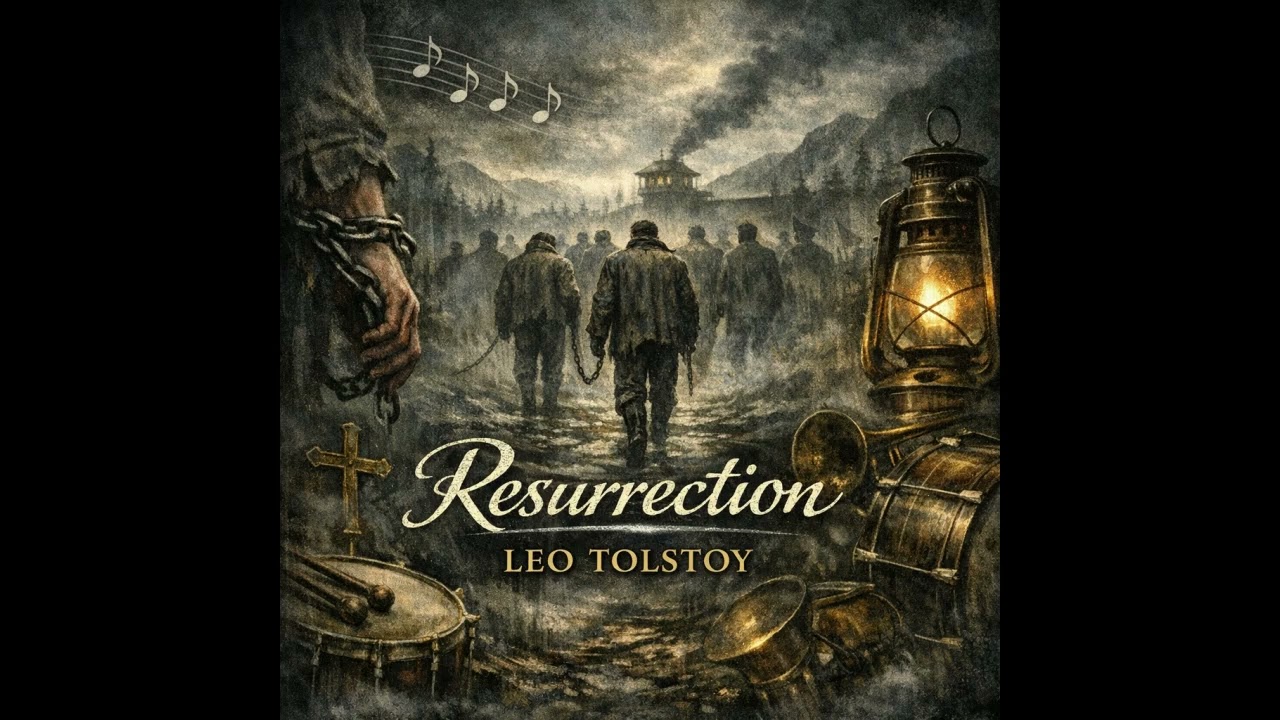
The narrative follows a group—symbolically or literally—walking through a landscape stripped of warmth. The road is not simply a place; it is a sentence. Every step is heavier than the last, and the world around them offers no relief. Winter thickens the air, voices fade, and the earth itself refuses to soften. The march becomes a ritual of suffering: chains whisper, breath shortens, faces blur into anonymity. Memory flickers briefly—gold, morning, innocence—but is extinguished before it can rise. The final image is devastating: the march does not end; it deepens. The waltz of innocence from Movement I cannot follow them into this darkness.
This is the moment when hope collapses, when the protagonist confronts the full weight of what cannot be undone.
Musical Characters
The orchestral language is drawn from Tchaikovsky’s Manfred Symphony—one of his heaviest, most psychologically tormented works.
• Contrabasses, contrabassoon, and bass clarinet form a subterranean foundation, like the earth absorbing the weight of each step.
• Low brass chorales act as the voice of fate: slow, dark, and unyielding.
• Tam‑tam, bass drum, and metallic percussion create the ritualistic, almost funereal pacing of the march.
• Bleak winds provide the cold breath of the landscape, while distant horns echo like memories fading across a valley.
• The descending leitmotif (D–C#–C–B–A) is the gravitational pull of guilt itself—slow, inevitable, impossible to escape.
Every instrument behaves like a force pressing downward. Nothing lifts; nothing ascends.
Musical Meaning
The movement’s meaning lies in its descent. The leitmotif is not just a theme—it is a verdict. Each repetition drags the harmony lower, mirroring the collapse of hope. The distorted waltz is especially symbolic: once a sign of innocence, it now appears warped, buried, swallowed by the road. The harmonic language is intentionally suffocating: oscillating fifths, unison descents, and clusters that feel like the air is thickening. Even the brief shimmer of memory is fragile, quickly extinguished by the surrounding darkness.
The music teaches the listener that guilt is not a moment but a landscape—one that must be walked through step by step.
Dramatic Function
Movement III is the spiritual nadir of the cycle.
• Movement I showed innocence.
• Movement II showed judgment.
• Movement III shows the consequence: the long, unending march through the interior night.
This movement forces the protagonist to confront the full weight of his actions. It strips away illusions, hope, and even identity. Faces blur; names vanish; the world narrows to a single path. Dramatically, this is the crucible that makes resurrection possible. Without this descent, the awakening of conscience in Movement IV would have no depth, and the final resurrection would have no meaning.
Повторяем попытку...
Доступные форматы для скачивания:
Скачать видео
-
Информация по загрузке: