Gut Bacteria Explained: How It Controls Digestion, Immunity, Mood & Weight
Автор: Dr. Rinkal Gastro
Загружено: 2026-01-26
Просмотров: 320
Описание:
🦠 Gut Bacteria: How It Controls Your Digestion, Immunity, Mood & Weight
Did you know that your gut bacteria affect much more than just digestion?
Inside your large intestine and colon lives a whole universe of bacteria—around 30–40 trillion microorganisms, even more than the total number of cells in the human body. These gut bacteria play a powerful role in many aspects of our health, including digestion, immunity, mental health, metabolism, and weight control.
🔬 What Do Gut Bacteria Actually Do?
Gut bacteria influence:
Digestive health
Mental health and mood
Immunity (over 70% of immune cells live in the gut)
Metabolism and weight regulation
Cardiometabolic health
They help digest indigestible fibers, producing substances like butyrate, which keeps the lining of the large intestine healthy and reduces inflammation. When gut bacteria are balanced, overall health remains stable. When disturbed, health problems develop slowly over years.
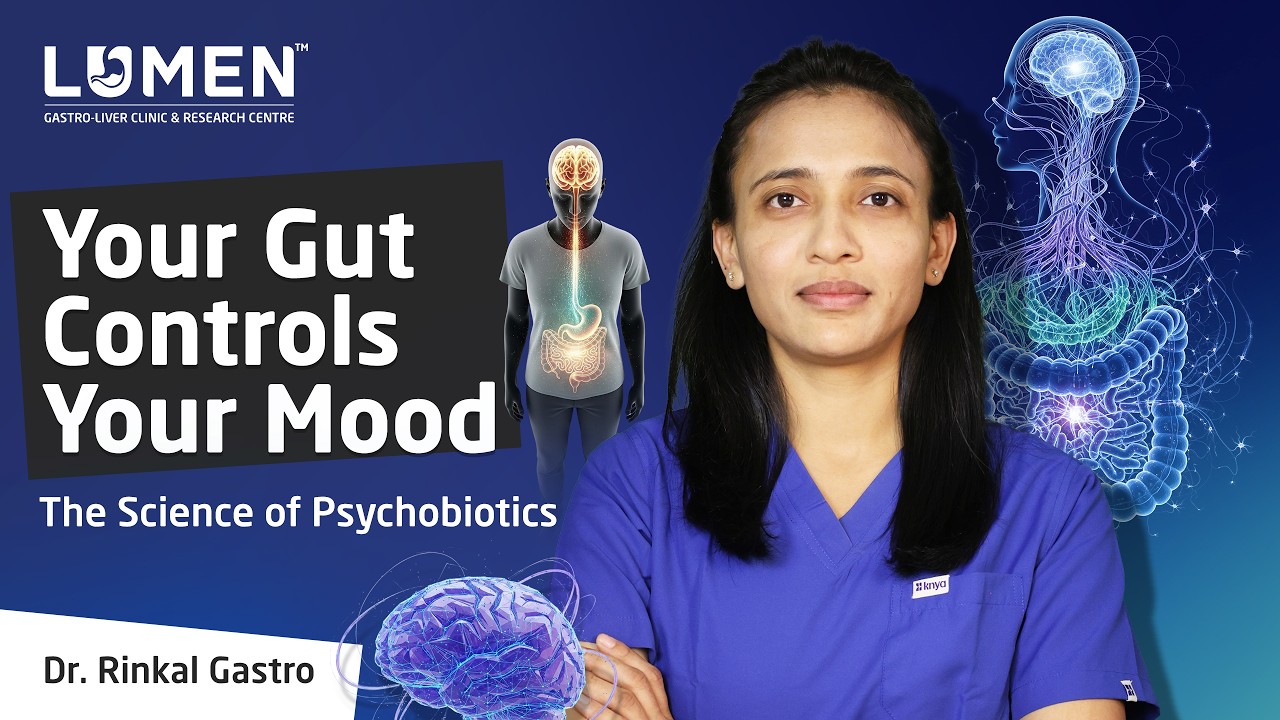
🧠 Gut Bacteria & Mental Health
Gut bacteria produce important neurochemicals:
90% of serotonin (the “happy hormone”)
50% of GABA (a calming, relaxing hormone)
These chemicals travel from the blood to the brain and influence mood, stress, anxiety, and mental well-being. This is why gut bacteria are also known as psychobiotics.
⚖️ Gut Bacteria, Weight & Metabolism
Why does one person gain weight easily while another doesn’t—despite eating similar food?
One major reason can be gut bacteria.
Scientific studies show that imbalanced gut bacteria are linked with:
Obesity
Insulin resistance
Metabolic syndrome
Fatty liver disease
Healthy gut bacteria can help regulate metabolism and support healthy weight management.
🛡️ Gut Bacteria & Immunity
Gut bacteria play a crucial role in training and shaping the immune system, especially during childhood.
An imbalance can lead to:
Frequent infections
Food allergies
Autoimmune diseases
A confused or weak immune response
🚫 Daily Habits That Destroy Gut Bacteria
Some common lifestyle habits that harm gut bacteria include:
Ultra-processed and junk food
Low-fiber diet
Excess sugar
Unnecessary antibiotic use
Poor sleep quality
Chronic stress
Over time, these habits can contribute to problems like:
IBS, gas, acidity, dyspepsia, arthritis, IBD, obesity, diabetes, fatty liver, autoimmune diseases, and poor mental health.
🥗 How to Improve Gut Bacteria (Simple Tips)
✔️ 50% of your diet should be unprocessed food
Fruits and vegetables
Nuts, seeds, sprouts
Boiled or dry-roasted chana, peanuts
Minimal cooking, no added sugar, salt, ghee, butter, or oil
✔️ Include fiber-rich foods
✔️ Eat a variety of fruits and vegetables (rotate weekly or seasonally)
✔️ Include different nuts and seeds
✔️ Limit ultra-processed food to less than 5–10% of your diet
✔️ Lifestyle matters:
6–7 hours of good quality sleep
30 minutes of daily exercise
Stress management
Avoid unnecessary antibiotics
👶 Where Do Gut Bacteria Come From?
At birth, the gut is sterile
During delivery:
Normal delivery → bacteria from the mother’s vagina
C-section → bacteria from the mother’s skin
Gut bacteria develop rapidly between 1–3 years of age, which is a critical period for building remembering and a well-regulated immune system
If gut health is neglected early or later in life, it can affect digestion, immunity, mental health, metabolism, and long-term disease risk.
🌱 Take Care of Your Gut Bacteria
Your gut bacteria influence:
Digestion
Immunity
Mental health
Metabolism
Weight
A healthy gut means a healthier body and mind.
⚠️ Disclaimer
This video is intended for educational and awareness purposes only. It is not a substitute for professional medical advice, diagnosis, or treatment. Always consult a qualified healthcare professional before making any changes to your diet, lifestyle, or medication.
Повторяем попытку...

Доступные форматы для скачивания:
Скачать видео
-
Информация по загрузке: